The recent rise in the dollar is being driven by temporary forces, mainly higher shipping costs and a fresh wave of import demand, according to Egyptian economist Hani Geneina, who said the pressures should ease as trade conditions stabilize.
Egypt pound pressure tied to shipping and import demand

That matters because Egypt is still highly exposed to imported fuel, gas and consumer goods, so a stronger dollar quickly feeds into the country’s current account, prices and business costs. Geneina said LNG cargoes have climbed to about $26 to $28 per million British thermal units from $16 to $18 last year, underscoring how freight and energy logistics are pushing up the foreign-currency bill.
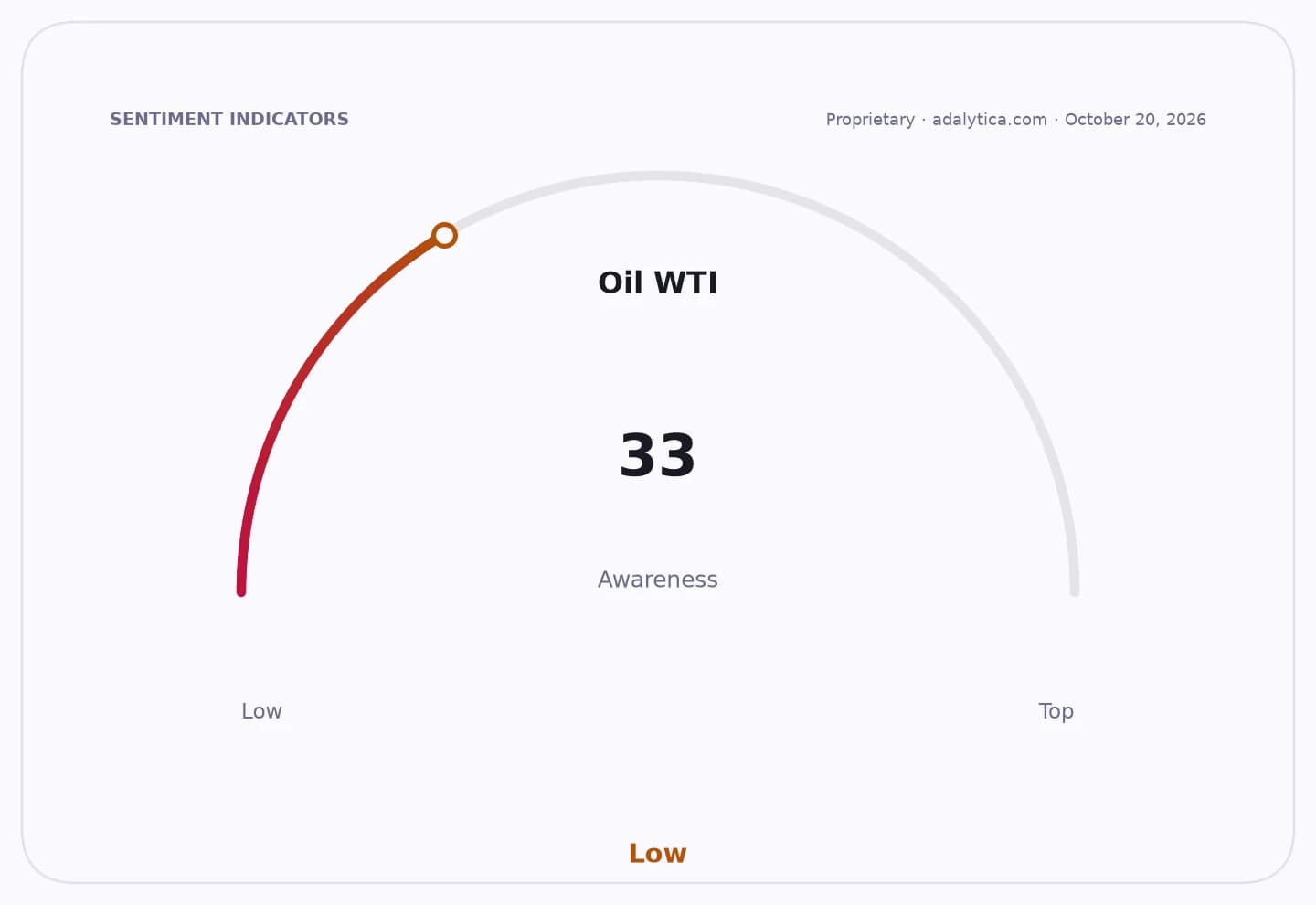
Sentiment IndicatorsⓘProprietary · adalytica.com · October 20, 2026
This is a snapshot — live sentiment, awareness and momentum for 130+ markets update continuously in the dashboard.Open AlphaPulse
He also pointed to renewed pressure on the balance of payments as companies that built inventories before the war now need to restock, increasing demand for imports ahead of Ramadan. In his view, that creates only a short-term squeeze, one the central bank can manage with its existing tools.
Geneina said Egypt’s “natural” exchange rate is around 48 to 50 pounds per dollar and argued that moves above that level are tied to war-related disruptions and higher transport costs rather than a structural shift in the currency’s value. He added that the central bank has shown strong skill in managing the exchange-rate regime, a view he said is echoed by local and foreign investors.
The economist also cited about $1 billion in net inflows into Treasury bills last week as evidence that foreign investors remain willing to hold Egyptian assets despite the FX volatility. For investors, that is the key signal: if inflows persist, the pound may avoid a deeper slide even as importers and retailers absorb higher landed costs.
The broader market implication is that a temporary dollar spike can still keep inflation and pricing pressure elevated in the near term, even if it later unwinds. Geneina said traders have no justification for raising prices permanently and expects discounts and normal pricing to return once shipping costs and currency pressure ease.
| Entity | Gains | Losses |
|---|---|---|
| Egyptian exporters | ▲Higher local-currency revenue | ▼Imported input costs |
| Importers and retailers | ▲Restocking flexibility | ▼Higher dollar bills |
| Foreign holders of Egyptian T-bills | ▲Potential yield carry | ▼FX volatility risk |
| Egyptian consumers | ▲Price relief if FX stabilizes | ▼Short-term inflation pressure |