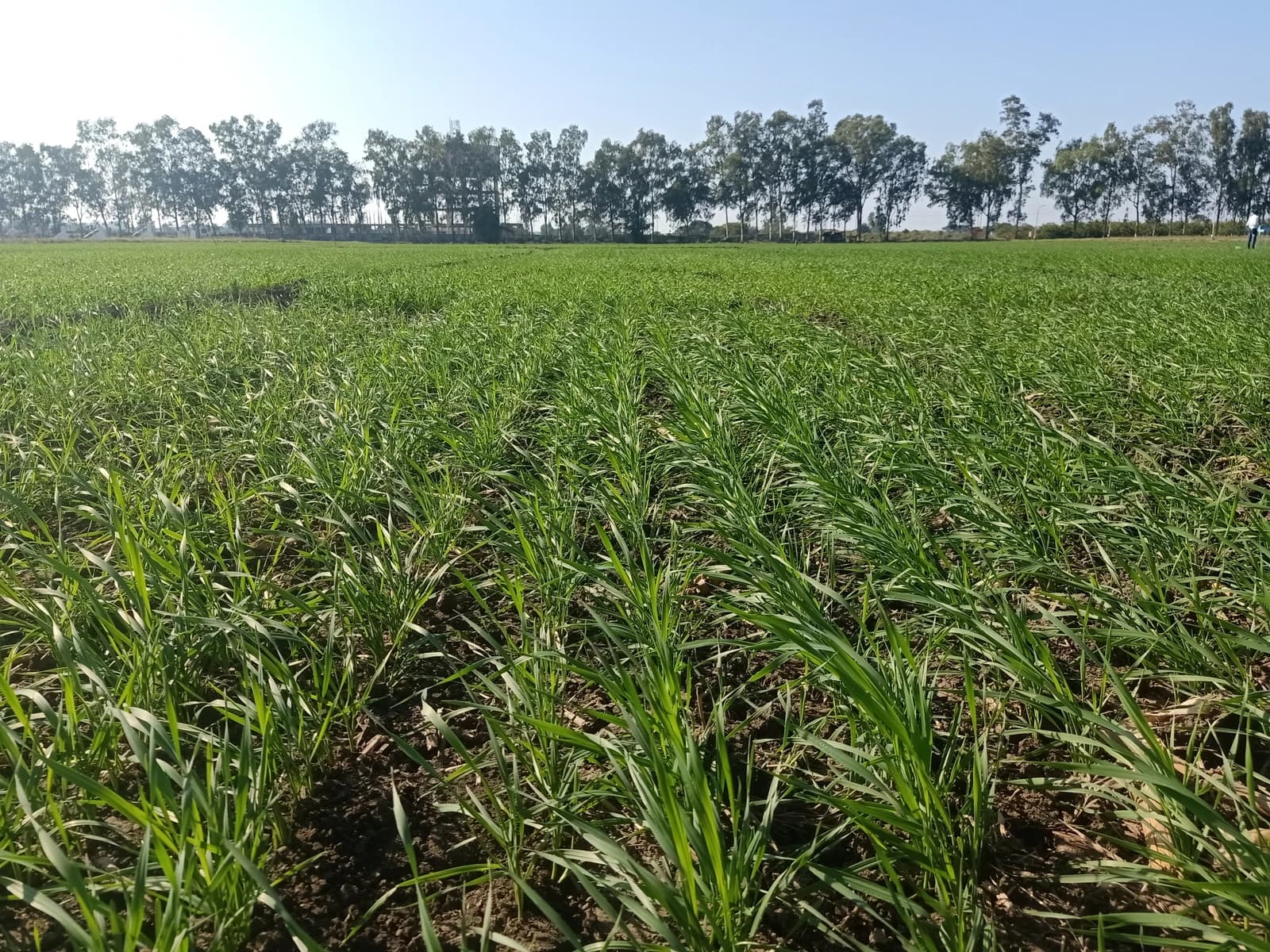
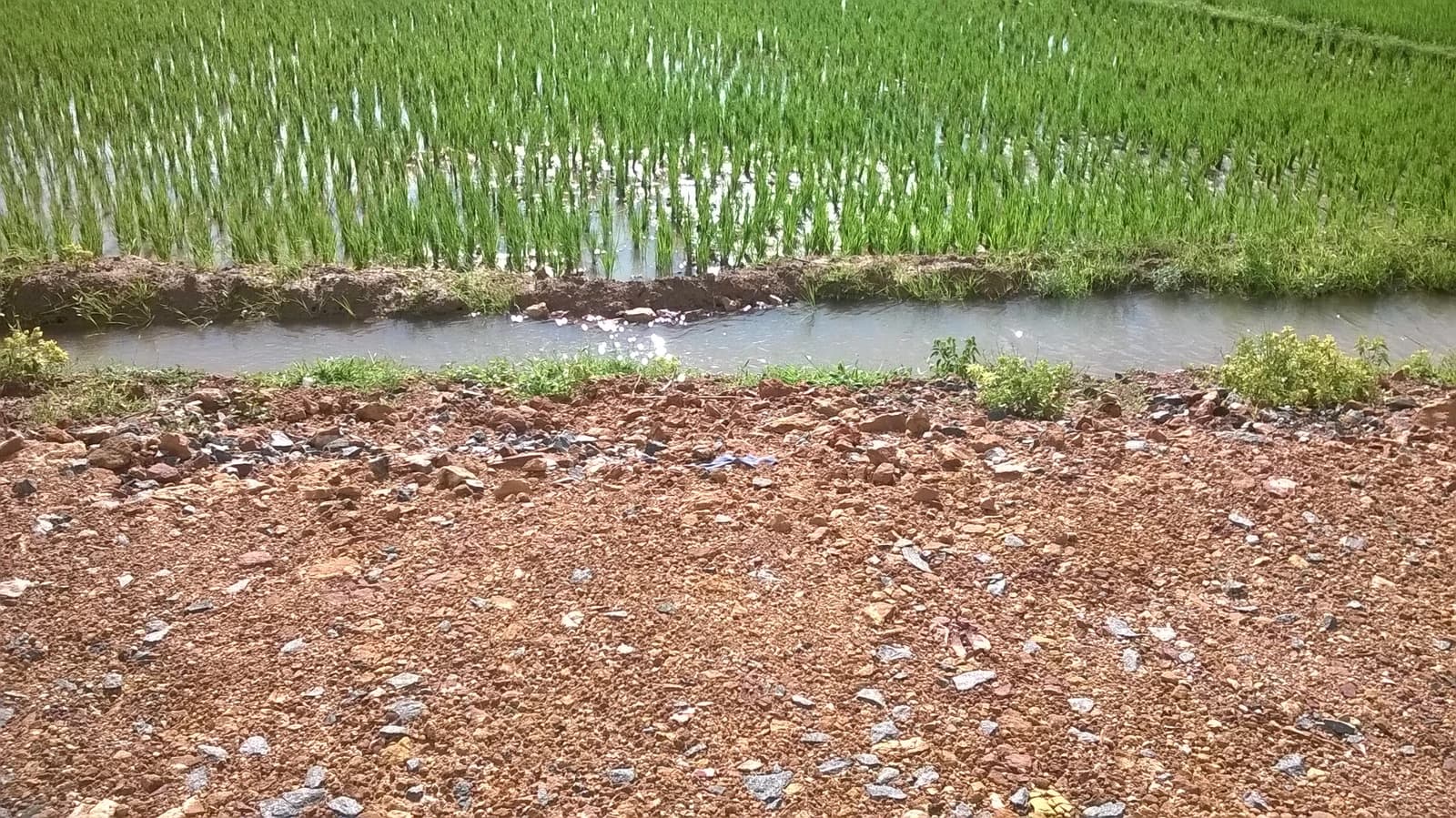
Qalyubia’s agriculture directorate is moving to formalize support for small wheat growers ahead of the winter planting season, a local step that matters because Egypt’s grain security still hinges on whether farmers can afford to sow enough wheat and produce it efficiently.
Egypt Qalyubia backs small wheat farmers
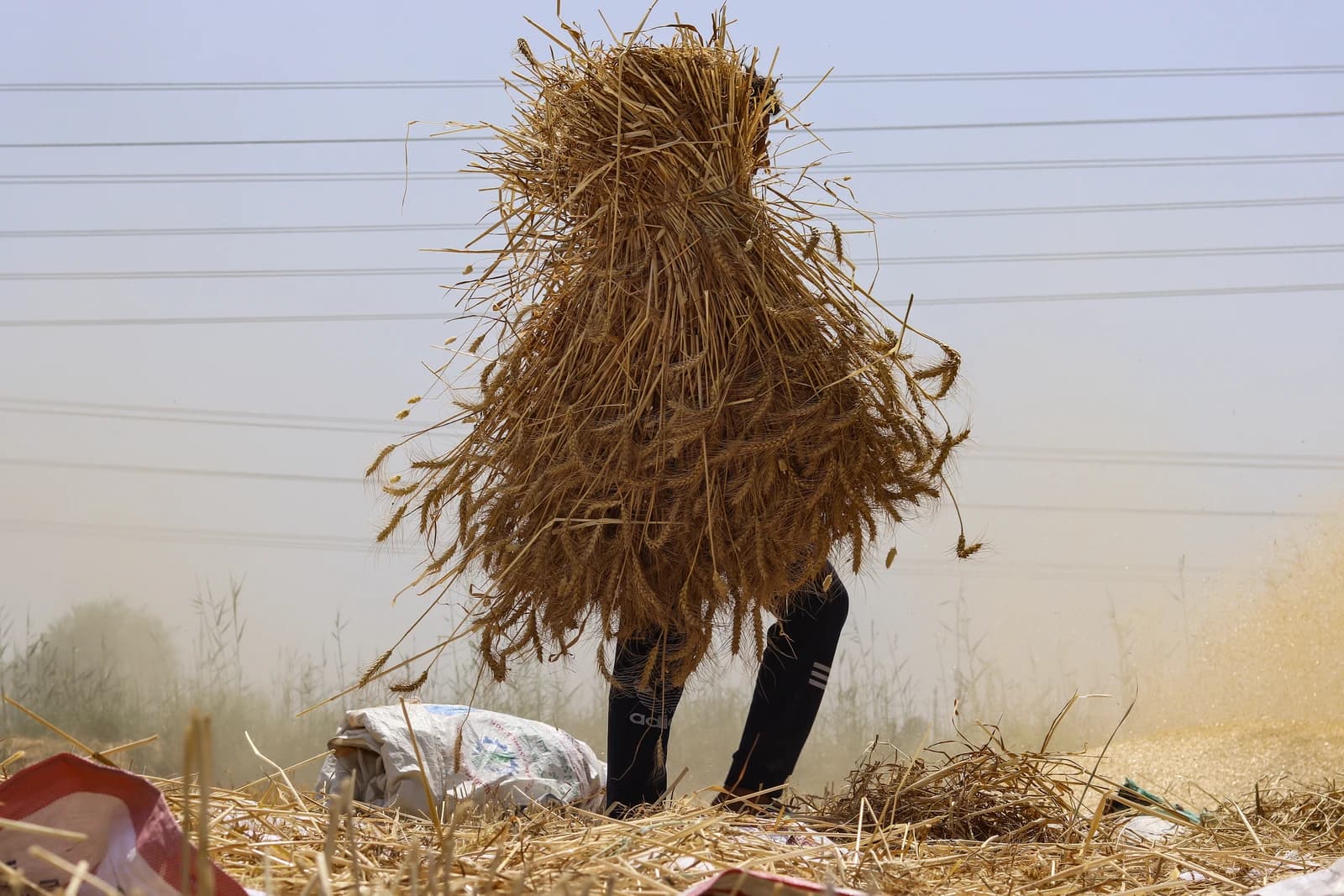
The meeting in Qalyubia focused on how to implement a presidential initiative aimed at small wheat farmers, with officials reviewing roles, coordination and an urgent work plan to make sure support reaches eligible growers. While the announcement was administrative in tone, the economics are more consequential: wheat remains a strategic crop for Egypt, and any effort to lower input costs or improve field-level services can help raise planted area and yields at a time when climate stress and volatile grain markets continue to pressure food systems.
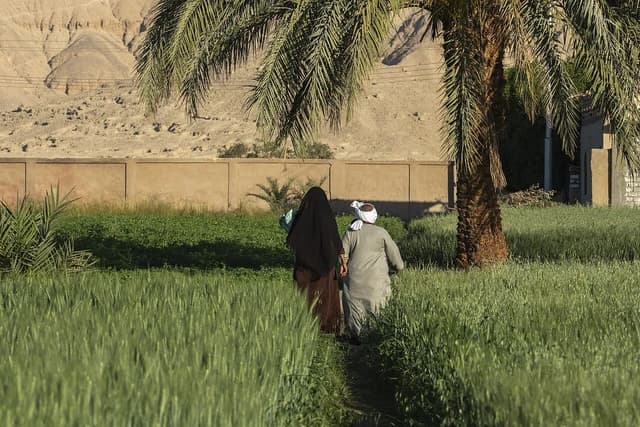
That matters beyond the province. Egypt is one of the world’s largest wheat importers, so even modest gains in domestic production can trim exposure to global price swings and import bills. The latest push also comes as regional farming conditions remain unstable, with heavy rains, drought and broader climate disruption hurting crops across parts of the wider area. In that setting, support for smaller producers is not just social policy; it is a supply-side measure aimed at stabilizing a crop that directly affects bread prices and household spending.
The local directorate said it will continue technical and service support for farmers and work to improve winter-season productivity. The focus on smallholders is important because they are often the most vulnerable to higher fertilizer, fuel and labor costs, and the least able to absorb losses if weather turns against them. If the program succeeds, it could improve adoption of better agronomic practices, strengthen planting discipline and support yields per feddan.
For investors, the story is less about an immediate market move than about the policy backdrop for agricultural inputs, grain logistics and food security. A more resilient domestic wheat crop supports the case for steady demand in seed, fertilizer and mechanization services, while reinforcing the government’s incentive to keep wheat procurement and farmer support in place. The bear case is execution: if support is delayed, unevenly distributed or insufficient against cost pressures and adverse weather, the policy impact on output may be limited.
The broader narrative is that Egypt is trying to insulate one of its most sensitive staples from a mix of climate risk, high production costs and import dependence. Qalyubia’s review is a local expression of that national priority, and the coming winter season will show whether administrative coordination translates into more wheat in the ground and less strain on food security later in the year.
| Entity | Gains | Losses |
|---|---|---|
| Small wheat farmers | ▲Lower input pressure | ▼Less help if rollout slips |
| Egyptian government | ▲Better food-security optics | ▼Higher execution burden |
| Seed and farm-service providers | ▲Steadier demand | ▼Weak if uptake is slow |
| Wheat importers / consumers | ▲Potentially less import dependence | ▼Continued pressure if yields disappoint |