Egypt is pressing ahead with a 10,000-kilometer rail modernization program while accelerating local production of railway, metro and electric traction components, a move that could trim import bills, deepen industrial capacity and redirect more of the country’s transport investment into domestic manufacturing.
Egypt rail modernization and local production plan
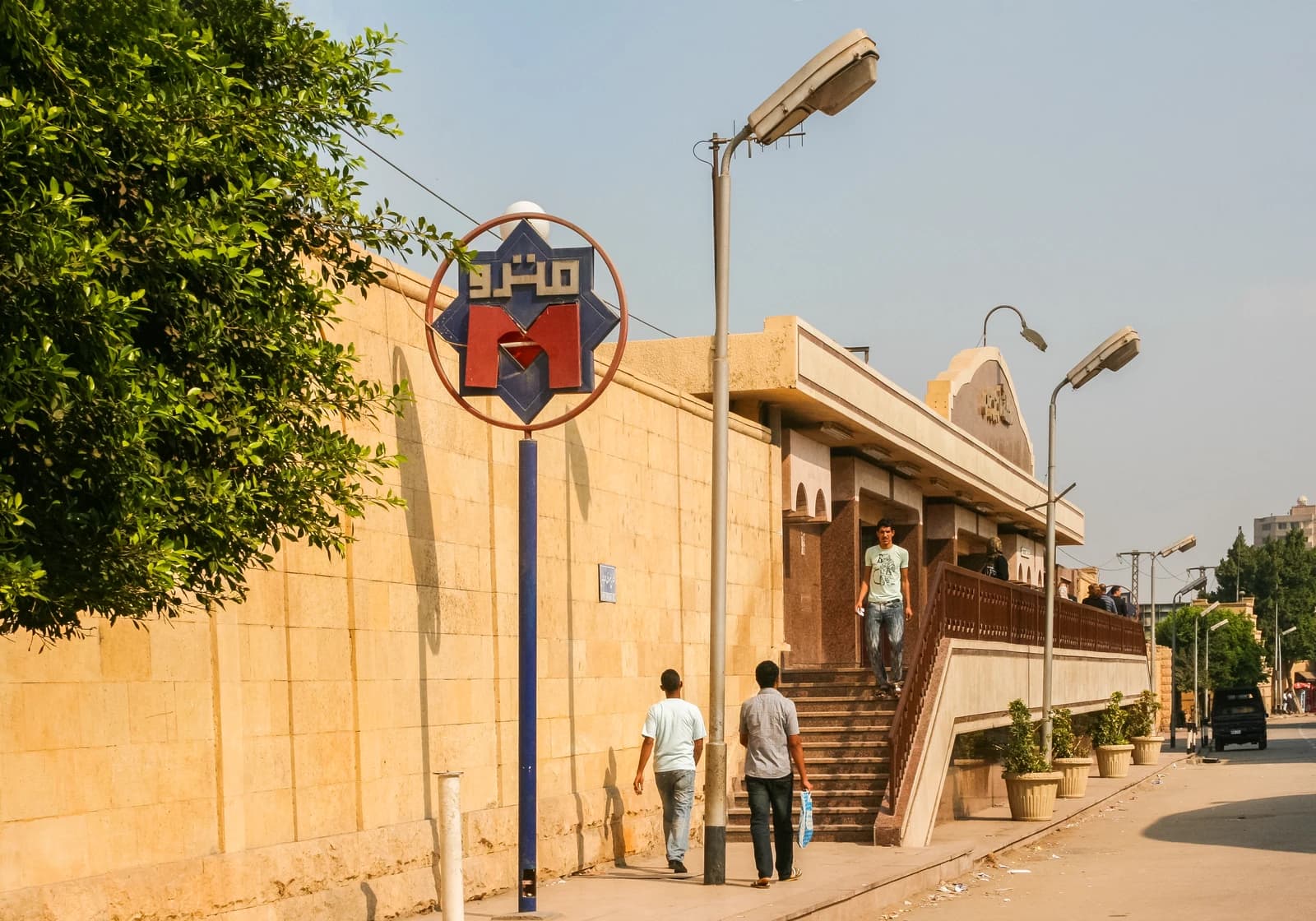
The Transportation Ministry says the plan is not just about adding trains. It centers on upgrading the entire network through new lines, track double-tracking, signaling systems, level crossings, stations, workshops and rolling stock, alongside a broader industrial push to produce more of the system at home.
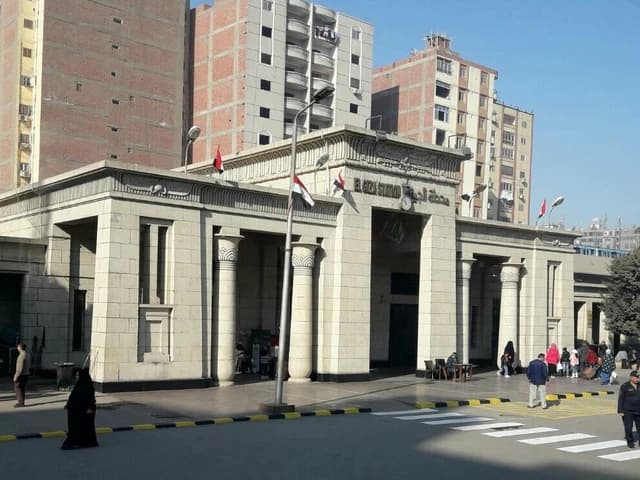
Transport Minister Kamel الوزير told the Egypt 2026 forum that the program covers the existing rail network as well as new routes serving industrial and urban zones, with the goal of making freight and passenger transport more efficient and sustainable. That matters for an economy trying to lower logistics costs, support exports and connect new cities with production hubs and ports.
Among the projects being prioritized are the Rubiki–10th of Ramadan–Belbeis line, the El-Manashi–6th of October line and the Bir al-Abd–Arish–Taba corridor. Officials say the projects are meant to strengthen links between industrial zones, growing urban areas and the main national transport grid.
The government is also tying conventional rail more tightly to the light rail network, the high-speed rail system, the West Nile monorail and metro expansions. The aim is to create a more integrated network that can move both workers and cargo across new cities, manufacturing centers and export gateways.
The industrial angle may prove just as important as the track building. Egypt says it is expanding local manufacturing for rail, metro and electric traction needs through specialized factories and industrial complexes, part of a strategy to reduce dependence on imported parts and raise the domestic value added of transport spending.
That is economically significant at a time when governments across the region are looking to convert infrastructure megaprojects into local supply chains rather than simple import demand. For Egypt, that could support jobs, industrial output and foreign-currency savings if domestic suppliers can meet quality and scale requirements.
The high-speed rail buildout underscores the size of the opportunity. The planned network is slated to reach 2,250 kilometers, with about 2,000 kilometers already under construction across three lines, according to the ministry. The scale suggests a sustained pipeline for contractors, manufacturers and equipment suppliers over several years.
For investors, the story points to a broader shift in how Egypt funds and executes infrastructure. Domestic steel, rolling stock, signaling, electrical systems and component makers stand to benefit if procurement increasingly favors local content, while import-dependent suppliers may face pressure.
The challenge will be execution. Egypt needs to deliver new lines on schedule, coordinate multiple transport systems and scale local production without sacrificing reliability or cost efficiency. The next catalysts will be progress on the named corridors, factory commissioning and any procurement awards tied to the local manufacturing push.
| Entity | Gains | Losses |
|---|---|---|
| Egyptian rail contractors | ▲More project awards | ▼Execution risk |
| Local manufacturers | ▲Higher demand, local content | ▼Import suppliers |
| Import-dependent suppliers | ▲Less advantage | ▼Market share, orders |
| Egypt’s transport users | ▲Better connectivity | ▼Delays if rollout slips |