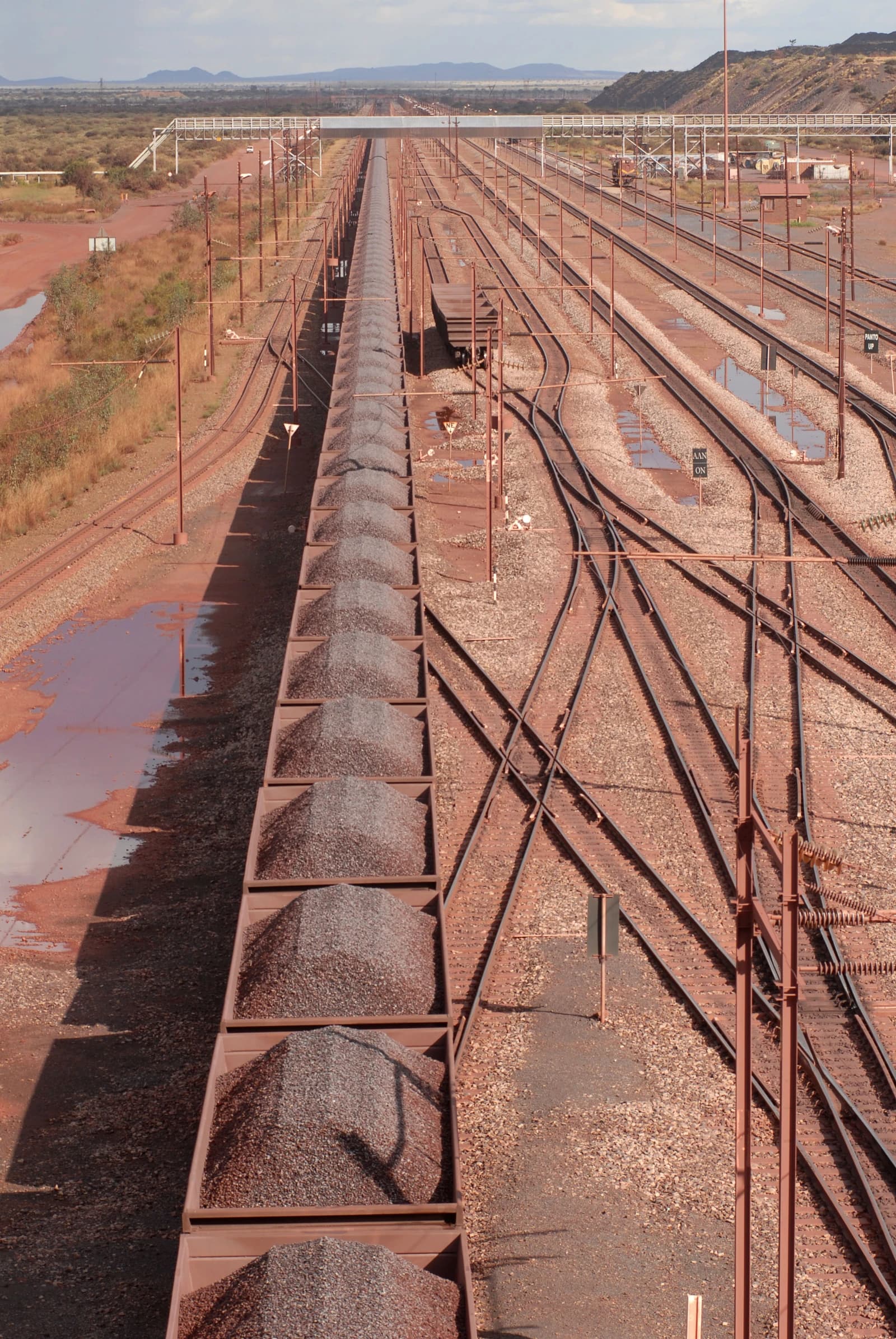
Transnet Freight Rail has set a new global benchmark for heavy-haul operations by safely moving a 696-wagon iron-ore train on its export corridor, a technical feat that underscores how much South Africa’s mining logistics depend on rail reliability and engineering capacity.
Transnet Freight Rail runs 696-wagon iron ore train
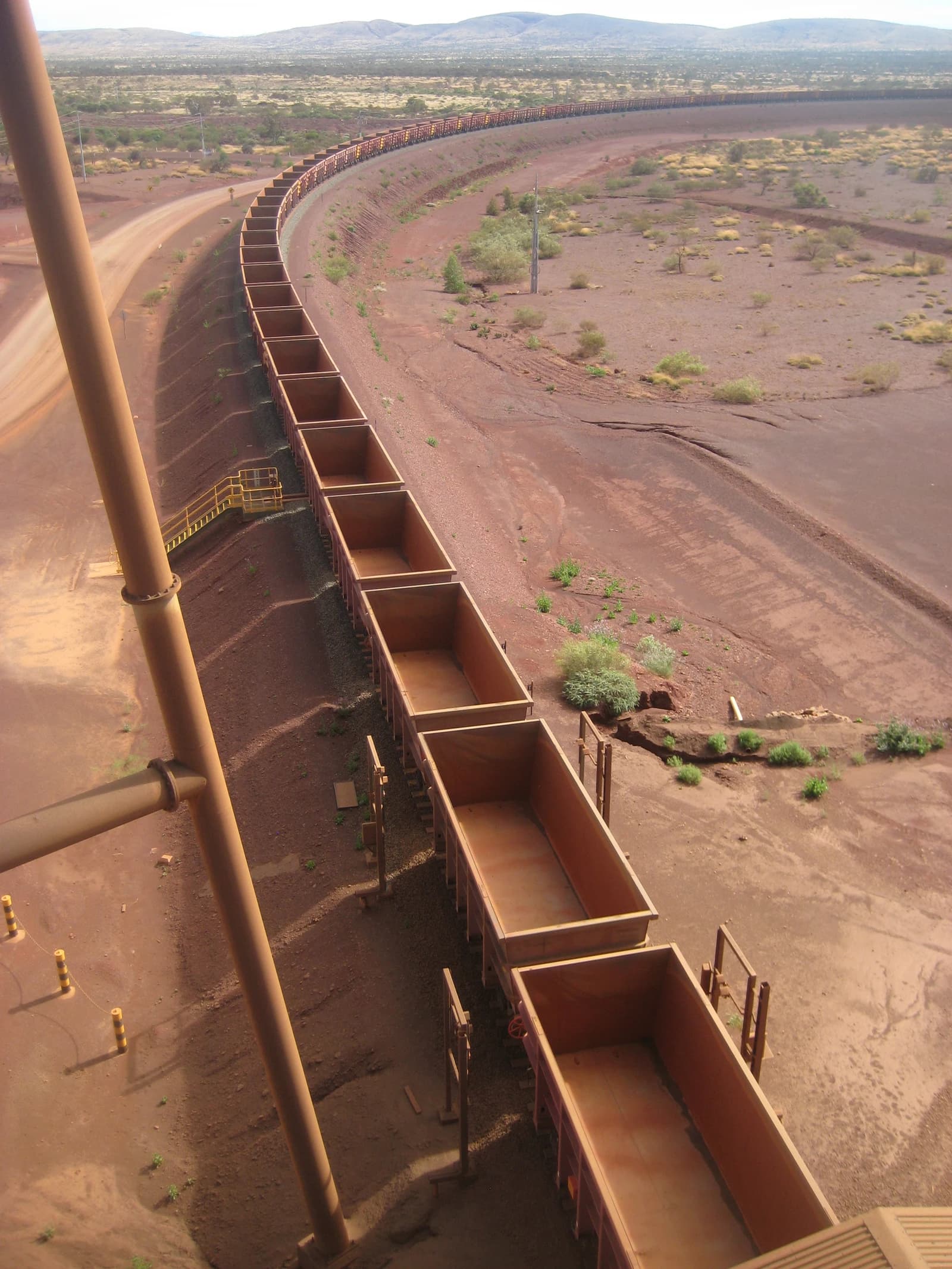
The record run matters because the country’s iron ore export chain has long been constrained less by geology than by transport bottlenecks. For miners, every incremental improvement in train length, handling and braking efficiency can translate into higher export throughput, lower unit costs and less congestion on a line critical to foreign earnings. For Transnet, the achievement is as much about proving operational credibility as it is about the headline record.
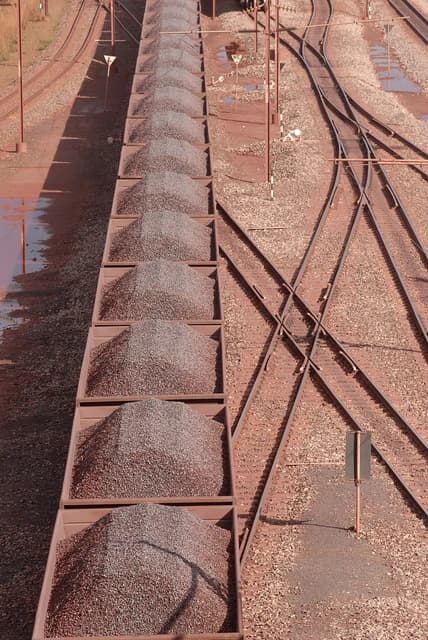
The empty train travelled from Saldanha Bay in the Western Cape to the Northern Cape and reached Loop 18 on Oct. 18, Transnet said. The company described it as the longest train ever assembled and operated on the corridor. The consist used 696 empty CR13/14 wagons in a radio distributed power, or RDP, configuration and was hauled by Class 15E electric and Class 43D diesel-electric locomotives.
RDP technology allows locomotives placed throughout the train to work in synchrony, spreading traction and braking forces over the full length of the consist. That is essential when scaling up to a train of this size, because the longer the train, the greater the risk of longitudinal stress, in-train forces and infrastructure wear. Transnet said the operation was preceded by extensive modelling, simulation and route readiness checks, with specialist staff monitoring performance throughout the journey.
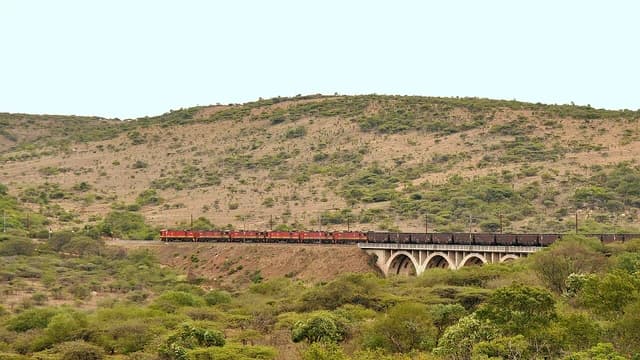
The company is not just chasing bragging rights. Management said the run was designed as a dynamic evaluation programme to generate technical data on train design, train handling and operating performance. Locomotive data will now be compared with simulation results, a step that could help Transnet refine its operating model and support future increases in payload efficiency.
For investors, the immediate relevance is indirect but important. Transnet’s rail network remains one of the main determinants of mining output, export volumes and earnings for bulk commodity producers operating in South Africa. Any evidence that the operator can safely push heavier consists is a positive signal for iron-ore shippers, port throughput and the broader logistics reform narrative. It also reinforces the investment case that rail rehabilitation, if sustained, can unlock capacity without waiting for major new infrastructure builds.
Still, one record run does not solve the structural issues that have weighed on South African freight rail, including maintenance backlogs, equipment reliability and network constraints. The bull case is that this proves the corridor can handle more efficient operations and that Transnet is building technical know-how. The bear case is that a controlled record attempt is a far cry from consistent, commercial-scale performance across a strained network.
The key question now is whether this engineering milestone can be translated into sustained tonnage gains, lower disruptions and more predictable export flows for miners and customers. If it can, the benefits would extend well beyond one train and into South Africa’s wider industrial and trade outlook.
| Entity | Gains | Losses |
|---|---|---|
| Transnet Freight Rail | ▲Technical credibility | ▼Perception of weak execution |
| Iron ore miners | ▲Higher export capacity | ▼Rail bottlenecks |
| South African export economy | ▲Better logistics efficiency | ▼Congestion-linked losses |
| Rival freight corridors | ▲Less immediate relevance | ▼Benchmark pressure |