China’s plan to build out railway science and technology centers over the next five years is more than a policy headline — it is a sign that the world’s second-largest economy wants rail to do more of the heavy lifting in growth, logistics and industrial upgrading.
China railway innovation plan for 2026-2030
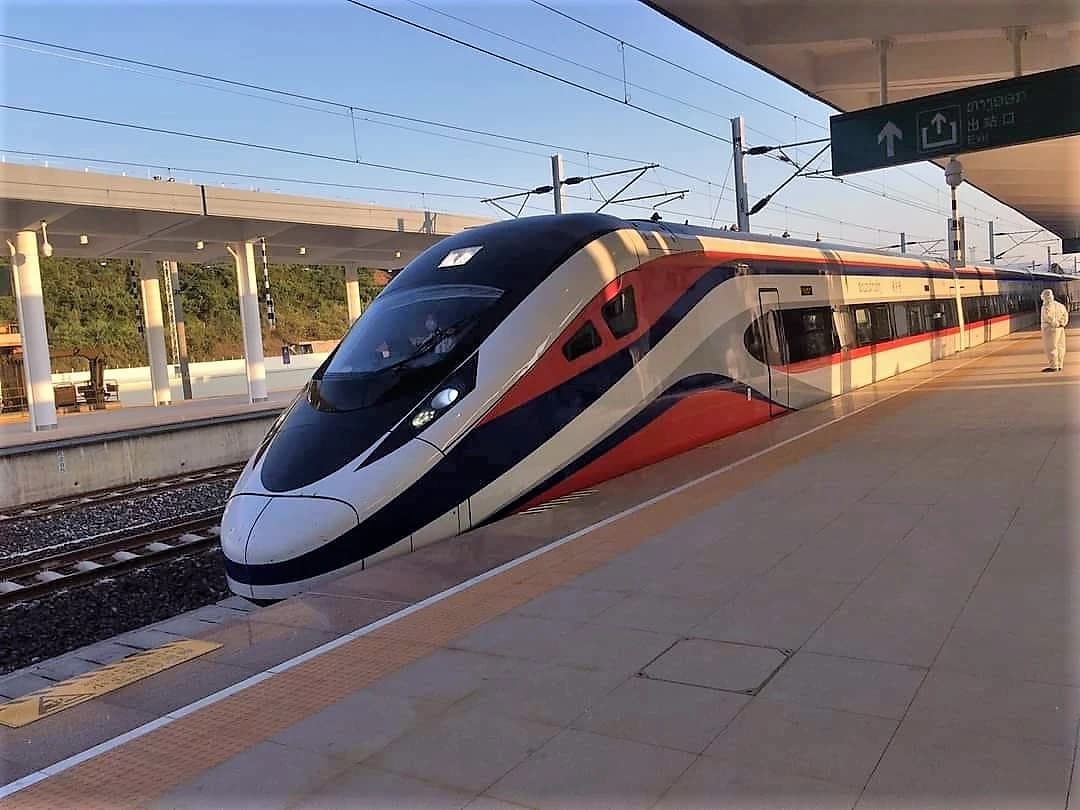
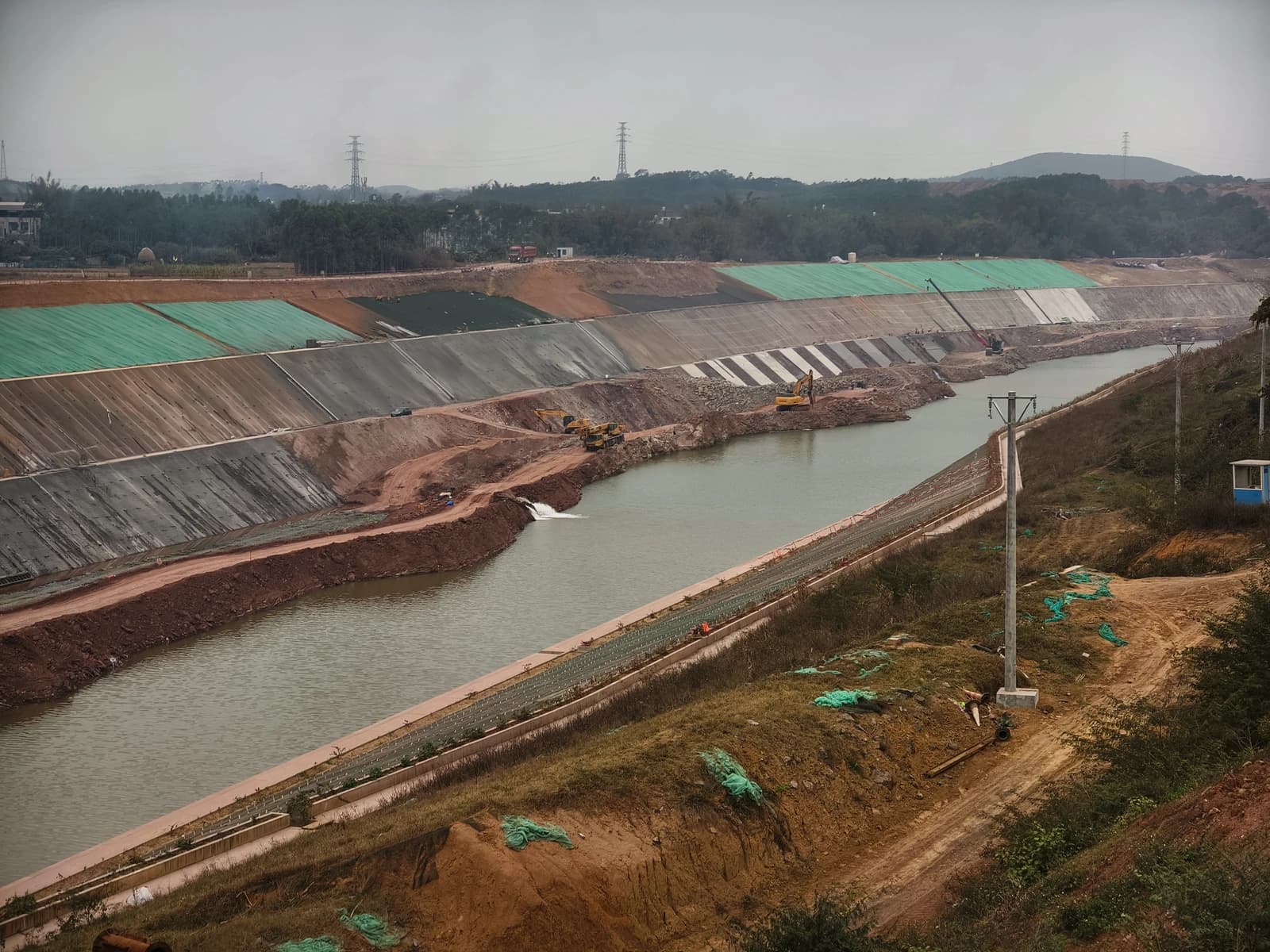
Beijing said it will push ahead with a 2026-2030 railway sci-tech innovation plan, part of a broader drive to deepen research, development and commercialization across the transport system. The message for investors is straightforward: China is not treating rail as a mature utility, but as a strategic platform for advanced manufacturing, smart mobility and higher productivity.
Sentiment Indicators

That matters because rail remains one of the most efficient ways to move people and goods at scale. China’s network already handles enormous passenger volumes, with trips surging during holiday periods and setting fresh records this month. A system that can absorb that kind of demand while integrating smarter navigation, automation and digital services has the potential to support tourism, domestic consumption and freight efficiency at the same time.
The economic case is even broader than the passenger side. Rail investment tends to ripple outward into steel, equipment, signaling, software and construction, while also lowering logistics costs for exporters and inland regions that depend on faster, cheaper transport links. In a slower-growth environment, that kind of infrastructure spending can be a useful stabilizer, especially if it is aimed at productivity rather than just capacity.
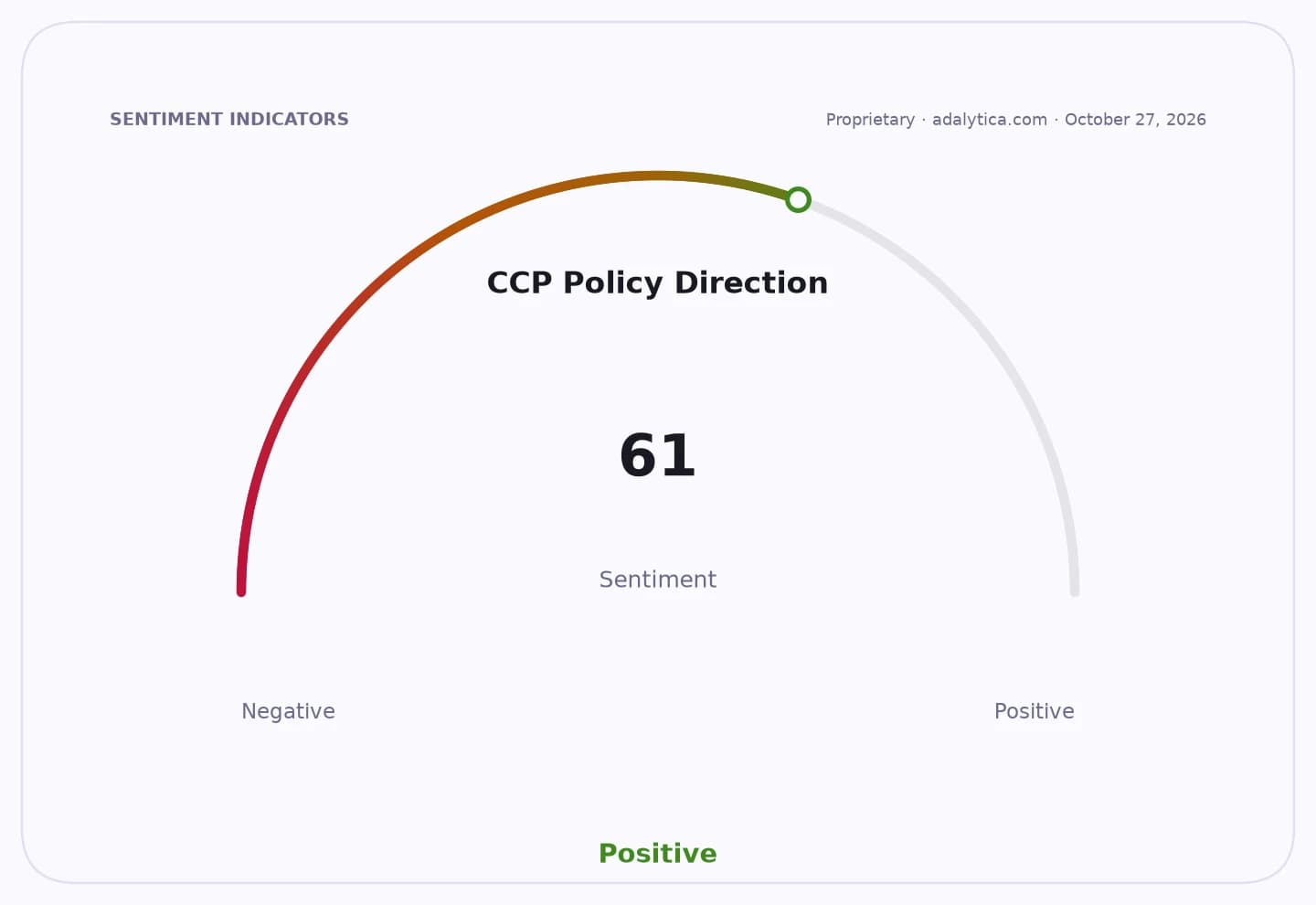
CCP Policy Direction
For investors, the key point is that this is a long-duration theme. Chinese rail modernization does not translate neatly into a quick trade, but it can reinforce demand for technology suppliers, rail contractors and industrial firms tied to the upgrade cycle. It also offers indirect support to North American rail operators such as Canadian National, Union Pacific and CSX, whose own capital plans emphasize network resilience, efficiency and safety at a time when global logistics is being reshaped by automation and digital tools.
The stock charts tell a similar story of patience being rewarded over time, even if sentiment swings in the short term. Canadian National, Union Pacific and CSX have all recovered from recent volatility, but the bigger investment thesis is not about the next few sessions. It is about whether rail can keep taking share in freight, cut operating costs and defend margins as supply chains become more technology-intensive.
There are risks, of course. China’s policy plans do not guarantee returns, and the payoff from research centers can be uneven if projects are slow to commercialize. Heavy infrastructure spending can also crowd out capital if growth weakens further. But for long-term investors, the direction of travel is clear: rail is moving from old-economy asset class to strategic technology layer.
That is why China’s new railway innovation push is worth watching closely. It strengthens the case for rail as a secular infrastructure theme, and it reinforces the idea that the best rail investments are often the ones tied to productivity, not just tonnage. For patient investors, that makes the sector one to keep on the watchlist.
| Entity | Gains | Losses |
|---|---|---|
| China railway planners | ▲Innovation capacity | ▼Short-term budget flexibility |
| Rail technology suppliers | ▲New contracts | ▼Legacy vendors |
| China’s economy | ▲Lower logistics costs | ▼Inefficient transport links |
| North American rail operators | ▲Validation of rail investment | ▼None directly, but higher expectations |