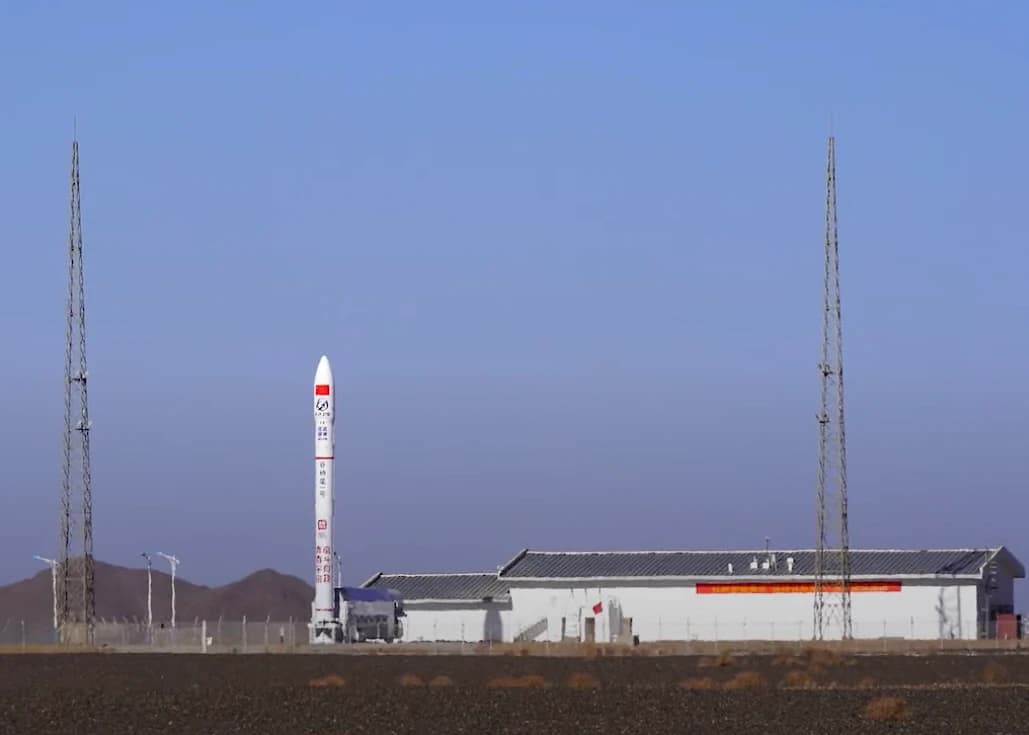
China has launched a new satellite from the sea aboard a “Series-1” rocket, underscoring how quickly the country is building out low-cost, flexible access to space that could reshape the economics of its commercial launch market.
China sea launch expands commercial space access
The flight, carried out Wednesday morning from waters near Rizhao in eastern Shandong province, sent a new satellite into its planned orbit at 11:39 a.m. Beijing time, state news agency Xinhua reported. The sea launch was executed by the Taiyuan Satellite Launch Center, highlighting how China is pairing established state launch infrastructure with newer maritime launch methods.
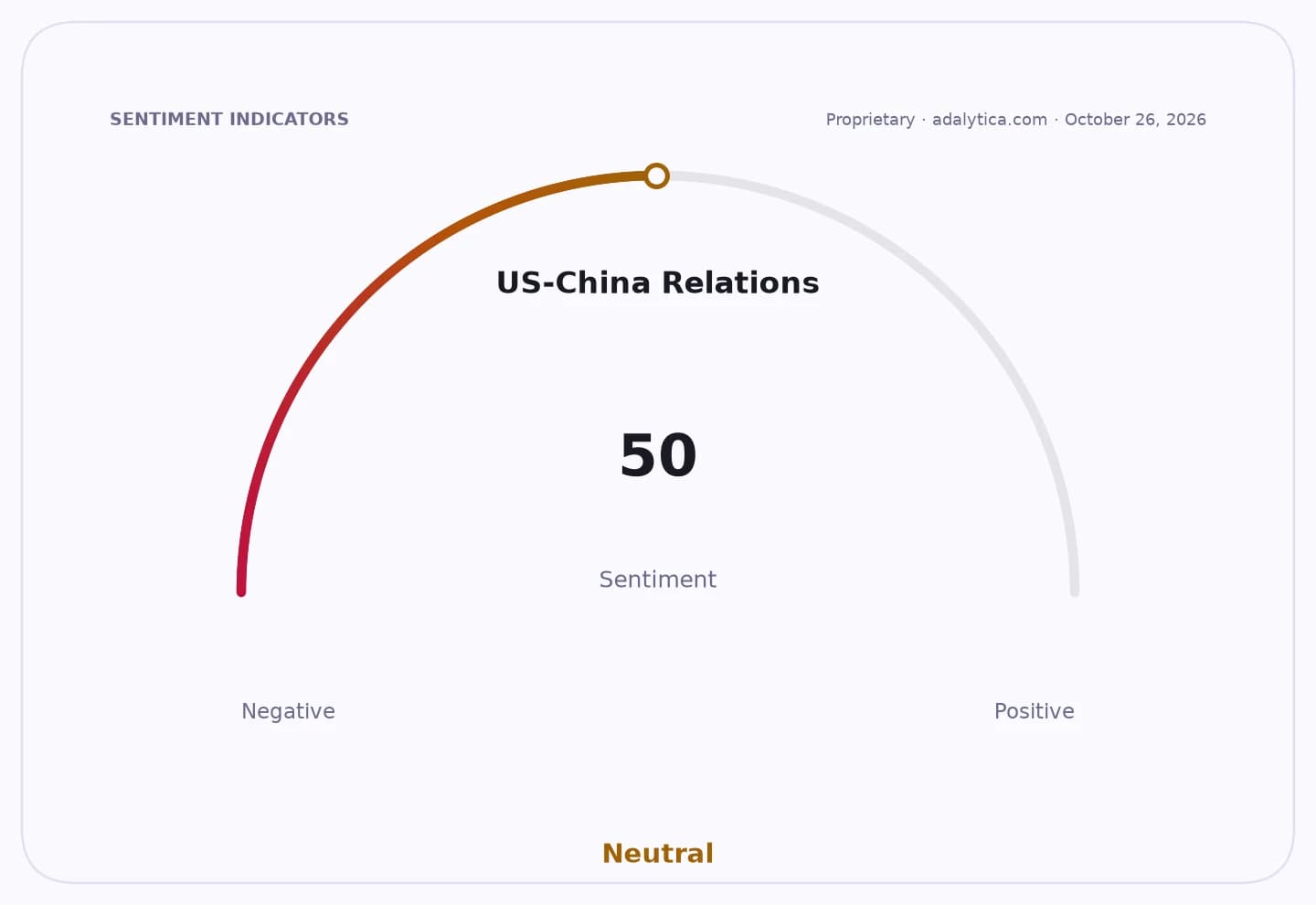
Sentiment Indicators
Why does that matter? Because sea launches offer a practical advantage that investors, governments and space companies all understand: they can widen launch windows, reduce some range constraints and give operators more flexibility than fixed land-based pads. In a sector where schedule reliability and launch cadence drive revenue, that flexibility can become a real competitive edge.
For China, the bigger story is industrial. The country is not just firing rockets; it is steadily broadening the toolkit for commercial space. That matters economically because launch services are becoming part of a wider supply chain that includes satellites, data services, communications networks and downstream applications. Each successful launch helps deepen the ecosystem and supports domestic demand for aerospace manufacturing, engineering and logistics.
It also matters geopolitically. Space access is no longer only about prestige missions. It is increasingly tied to communications resilience, Earth observation, navigation, and national security. A reliable sea-launch capability gives China another route to put assets in orbit even as global competition in space intensifies.
For investors, the implications are less about this single mission than about the trend it reflects. More frequent launches can support the long-term case for the broader Chinese aerospace and satellite supply chain, while reinforcing the strategic value of launch providers and downstream space infrastructure. In the U.S. market, it is another reminder that companies with reusable launch systems, strong backlog visibility and recurring satellite-related revenue may be beneficiaries of an industry moving from episodic missions toward higher cadence.
That is where names like Rocket Lab and Intuitive Machines fit into the broader investor conversation, even if they are not direct peers to this launch. Both are exposed to a world where access to orbit is becoming more commercialized, more frequent and more strategically important. Rocket Lab, in particular, has already shown how a launch company can grow beyond one-off missions into a platform business.
The immediate lesson for long-term investors is simple: space remains a secular theme, but not every headline creates a tradable event. What matters is whether repeated launches translate into durable demand, better margins and real cash flow over time. If China keeps scaling sea launches, the competitive pressure on global launch pricing and cadence will rise.
That makes the latest Series-1 mission worth watching, not because one satellite launch changes the market overnight, but because it adds another data point to the bigger compounding story in space infrastructure. Investors with a multiyear horizon should keep it on the radar.
| Entity | Gains | Losses |
|---|---|---|
| China’s space sector | ▲More launch flexibility | ▼Higher expectations for reliability |
| Satellite operators | ▲Better access to orbit | ▼More competition for launch slots |
| Global launch rivals | ▲Industry growth narrative | ▼Pricing pressure over time |
| Long-term space investors | ▲Stronger secular theme | ▼Fewer near-term catalysts |