Iron and cement prices in Egypt moved higher on Monday, keeping construction costs under pressure for builders and homebuyers even as the increases remained relatively modest.
Egypt steel and cement prices rise on Monday
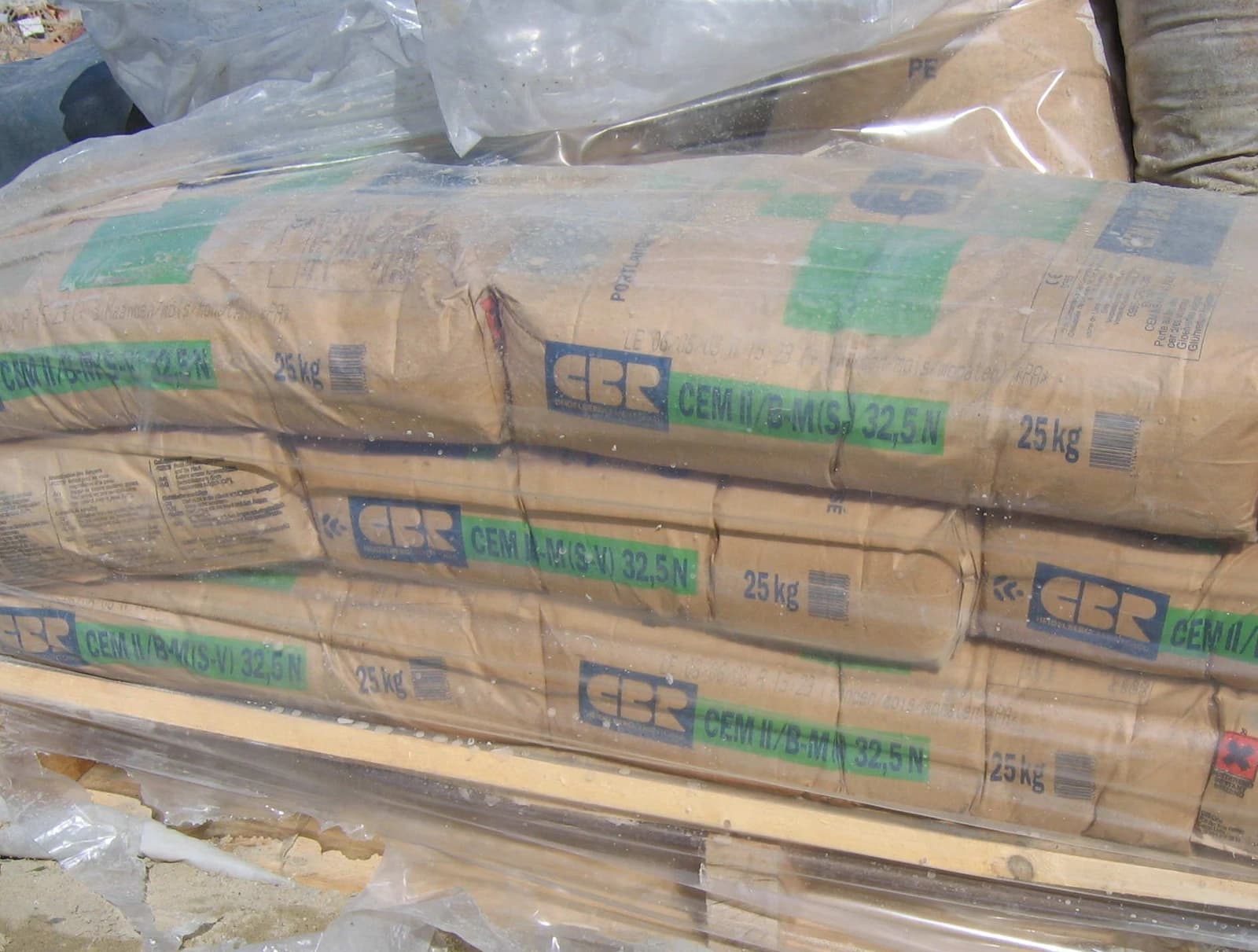
The biggest move was in steel, where Ezz Steel’s ton price rose 85 Egyptian pounds to about 41,230 pounds, while investment-grade rebar gained 4 pounds to 38,584 pounds. Gray cement also climbed, adding about 123 pounds to 4,060 pounds a ton. For a market built on thin margins and highly sensitive input costs, even small daily changes matter because they ripple through contracting budgets, housing affordability and the pace of private construction.
Sentiment Indicators
That matters economically because cement and rebar are the backbone of Egypt’s building cycle. When those prices firm up together, developers face a slightly higher bill for projects already wrestling with financing costs, land expenses and uneven demand. In a country where construction is a major employer and a key driver of related industries from transport to fittings, higher materials prices can slow new starts or squeeze profit margins if builders cannot pass costs on.
The moves also come against a softer global backdrop for industrial commodities. Iron ore prices have recently fallen to their lowest level in more than two years as demand concerns in China weigh on the market, a reminder that local steel prices do not always move in lockstep with international benchmarks. At the same time, Egypt’s own pricing still reflects domestic distribution costs, company-level pricing power and the day-to-day balance of supply and demand in the local market.
For investors, the message is less about one day’s uptick than about persistence. A steady drift higher in basic building materials tends to favor producers with pricing power and scale, while pressuring contractors, developers and consumers who are already sensitive to affordability. Steel and cement makers can benefit if input costs stay contained and pricing holds, but if demand weakens, the same inflation can turn into resistance for volumes.
That is why construction-material pricing deserves close attention over the coming months. If these gains broaden, they could feed into project delays and tighter margins across the building chain. If they fade, they may simply mark another short-lived adjustment in a market that has been volatile all year. For long-term investors, the better takeaway is to watch whether Egypt’s building-cost cycle is stabilizing or just taking a breather.
| Entity | Gains | Losses |
|---|---|---|
| Steel and cement producers | ▲Better pricing power | ▼Builders’ cost burden |
| Developers and contractors | ▲None from higher inputs | ▼Squeezed margins |
| Homebuyers and tenants | ▲None | ▼Higher project costs |
| Construction supply chain | ▲Slight revenue lift | ▼Demand sensitivity |