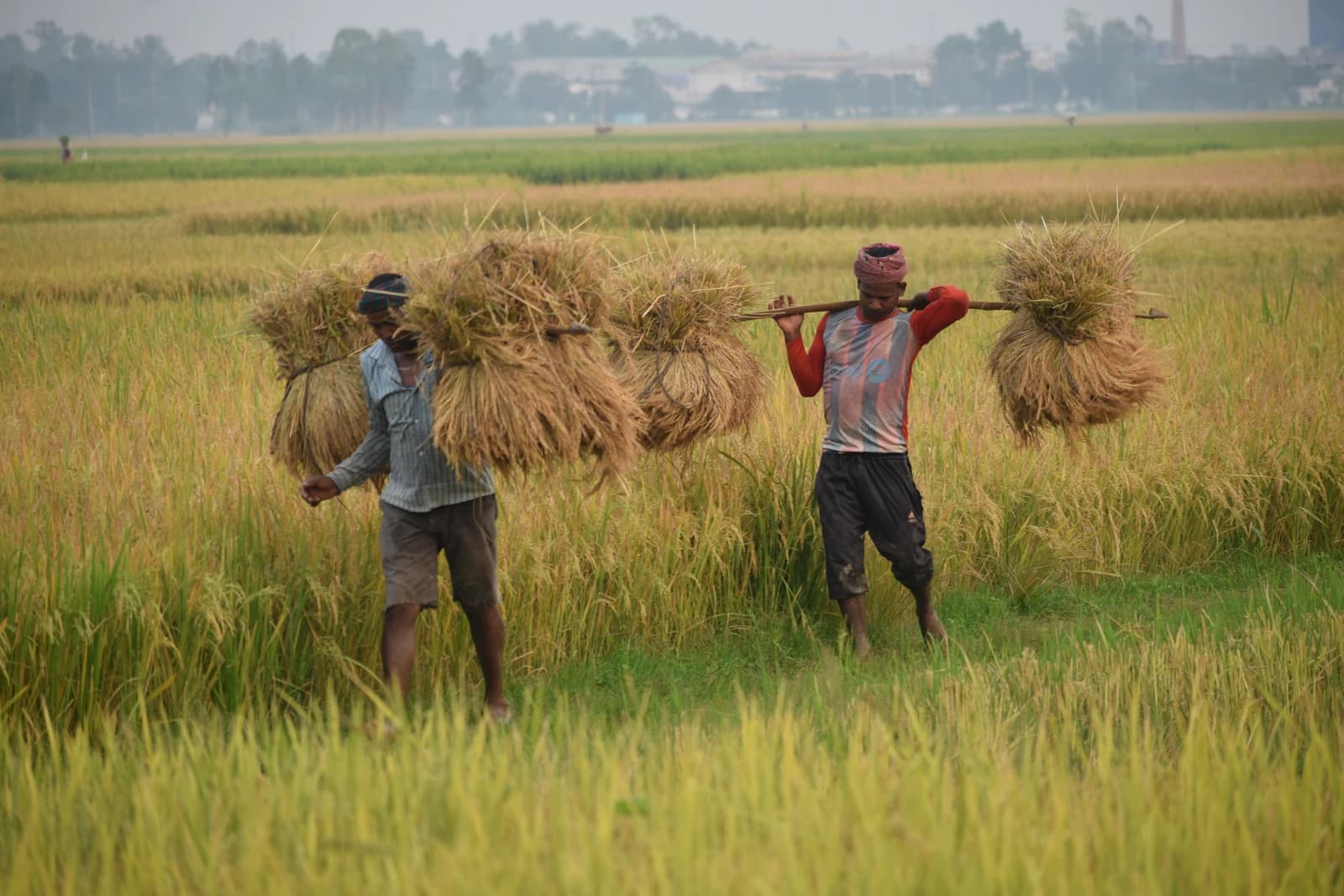
Egyptian cotton prices slipped on global exchanges as the new crop began to hit the market, with the premium Giza 94 variety falling to 142 cents from 147 cents in the period through Oct. 4, 2026.
Egyptian cotton prices fall as new crop arrives
That drop matters because Egyptian cotton is not just another commodity. It sits at the top end of the global fiber market, where quality, not just volume, drives pricing. When the harvest starts to come in, supply rises quickly enough to pressure prices, even for a brand that has long commanded a premium in textile supply chains.
For investors, the key point is that this is a classic crop-cycle story: higher availability usually means softer prices in the near term, but stronger export flows can offset some of the pain. Egyptian exporters appear to be benefiting from that trade-off. The country shipped 64,060 tons of cotton in the 2025-26 marketing season, up sharply from 39,216 tons in the comparable period a year earlier, with export value topping $205 million.
That’s an important signal for the wider agricultural economy. Lower global prices can make Egyptian cotton easier to place in international markets, especially when buyers are looking for premium fiber and when quality differentials remain intact. In other words, a softer price does not automatically mean a weaker industry. It can also mean better market access, faster turnover and stronger demand from mills that were waiting for the new crop.
There are still real headwinds. Shipping routes remain disrupted, insurance costs are elevated and some carriers have been forced to route vessels around Africa because of conflict in the Gulf, the Black Sea and the eastern Mediterranean. Those costs can eat into margins even when export volumes are healthy. And in a business like cotton, where pricing is set by supply and demand and benchmarked to the New York cotton market, logistics matter almost as much as the crop itself.
The longer-term investment case, though, remains tied to Egypt’s premium positioning. Officials are pushing to reinforce the country’s global brand and support a broader shift toward sustainable agriculture. If that effort succeeds, Egyptian cotton should continue to command pricing power over time, even if individual harvests bring short-term volatility. For now, the decline in prices looks more like a seasonal reset than a structural breakdown — one that investors in the agricultural export chain should keep on their watchlist.
| Entity | Gains | Losses |
|---|---|---|
| Egyptian exporters | ▲Easier sales, higher volumes | ▼Lower per-ton pricing |
| Textile mills | ▲Cheaper premium fiber | ▼Less room for bargain hunting later |
| Shipping firms | ▲More trade flow | ▼Higher route and insurance costs |
| Farmers | ▲Stronger market access | ▼Harvest-time price pressure |