The meetings industry is trying to turn a talent shortage into a hiring pipeline, and the Events Industry Council’s new Pathways program is a direct response to a workforce problem that is already reshaping the business.
EIC Pathways program targets meetings workforce shortage
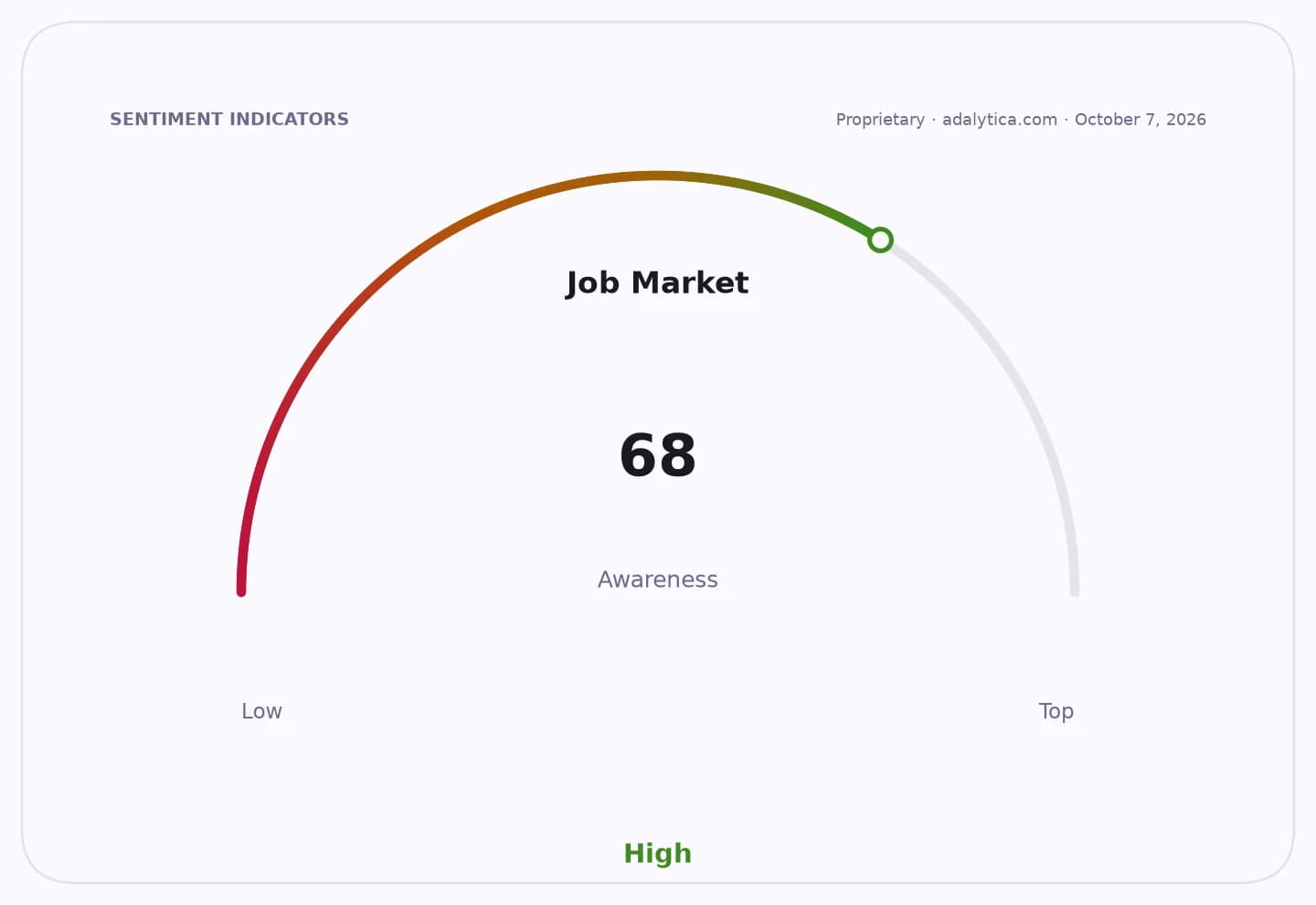
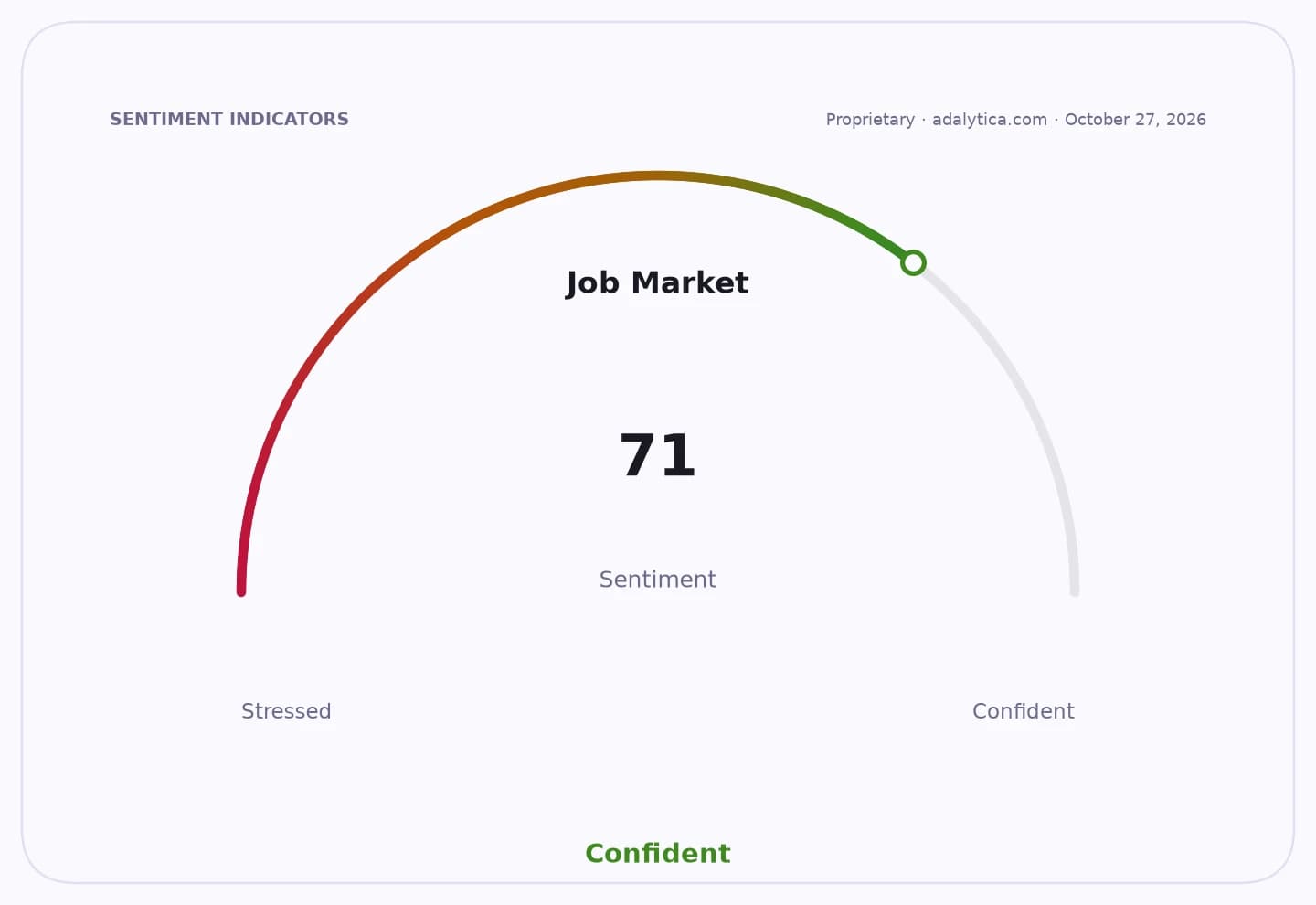
Job Market
Launched at IMEX America, Pathways is designed to help students, entry-level workers, midcareer planners and senior leaders move through the sector with better training, credentials and access to job openings. That matters because the industry’s own research says the problem is not just recruitment, but retention: 46% of respondents to the EIC’s Futures Landscape Study said they expect their skills to become obsolete within a few years, and the same share said they would consider leaving an employer if upskilling is unavailable.
Sentiment Indicators
For an industry built on relationships and execution, that is an economic warning sign. When planners walk away because pay is weak and workloads are heavy, businesses do not just lose staff — they lose institutional knowledge, event quality and the capacity to scale. The result is a drag on growth across meetings, conferences and business travel, a sector that depends on human expertise even as it races to modernize its tools and standards.
EIC is trying to fix that by organizing Pathways around four stages: Discover, Develop, Advance and Lead. On the front end, it is pushing students toward the industry through programs such as APEX Future Workforce, which brings high school students to major industry gatherings. For working planners, it is updating APEX Accepted Practices into more interactive tools and translating them into several languages, while also refreshing the Certified Meeting Professional standard and exam for a more global audience.
The job-search piece is the most immediately useful for investors watching the travel and events ecosystem. EIC’s Career Center listed 28 roles with the title “meeting planner” and 37 with “event planner” when the article was published. Employers can also pay to post roles, with packages ranging from $275 to $1,925. That may not sound like much, but it shows the industry is monetizing a structural labor gap rather than waiting for it to heal on its own.
The bigger investment takeaway is that labor scarcity in meetings is not a temporary post-pandemic distortion. It is becoming a durable operating constraint, and that tends to favor companies with scale, pricing power and strong training platforms over smaller operators that cannot recruit or retain enough staff. Hotel groups, large event organizers, travel platforms and convention-linked venues all stand to benefit if workforce programs keep people in the pipeline and raise professional standards.
That is why the Pathways initiative matters beyond the trade-industry headlines. It is a sign that the meetings sector is accepting a hard truth: the next growth cycle will belong to firms that can professionalize talent as aggressively as they sell rooms, rooms nights and event capacity. If you want exposure to the theme, focus on the operators and platforms that can capture more of the spending tied to business events, not the weaker players still stuck fighting turnover.
| Entity | Gains | Losses |
|---|---|---|
| EIC / Skift Meetings | ▲Industry relevance, engagement | ▼Little near-term downside |
| Employers / event planners | ▲Better hiring pipeline | ▼Higher competition for talent |
| Large hotel and event operators | ▲More stable staffing, demand visibility | ▼Smaller rivals with thin margins |
| Workers seeking roles | ▲More job access, upskilling | ▼Low-paying employers |