AI-linked stocks have been the biggest driver of emerging-market returns since early 2025, and that concentration is exactly what makes the opportunity so compelling — and so easy to misread.
Emerging Markets Rally on AI Stock Concentration
A handful of giants in Taiwan and South Korea have done most of the heavy lifting for the MSCI Emerging Markets Index, with Taiwan Semiconductor Manufacturing, Samsung and SK Hynix accounting for nearly a third of the benchmark and contributing more than 60% of its return in the second quarter of 2026. That kind of dominance is a reminder that emerging markets are no longer just a story about cheap valuations and cyclical rebounds. They are increasingly a way to own the global AI supply chain.
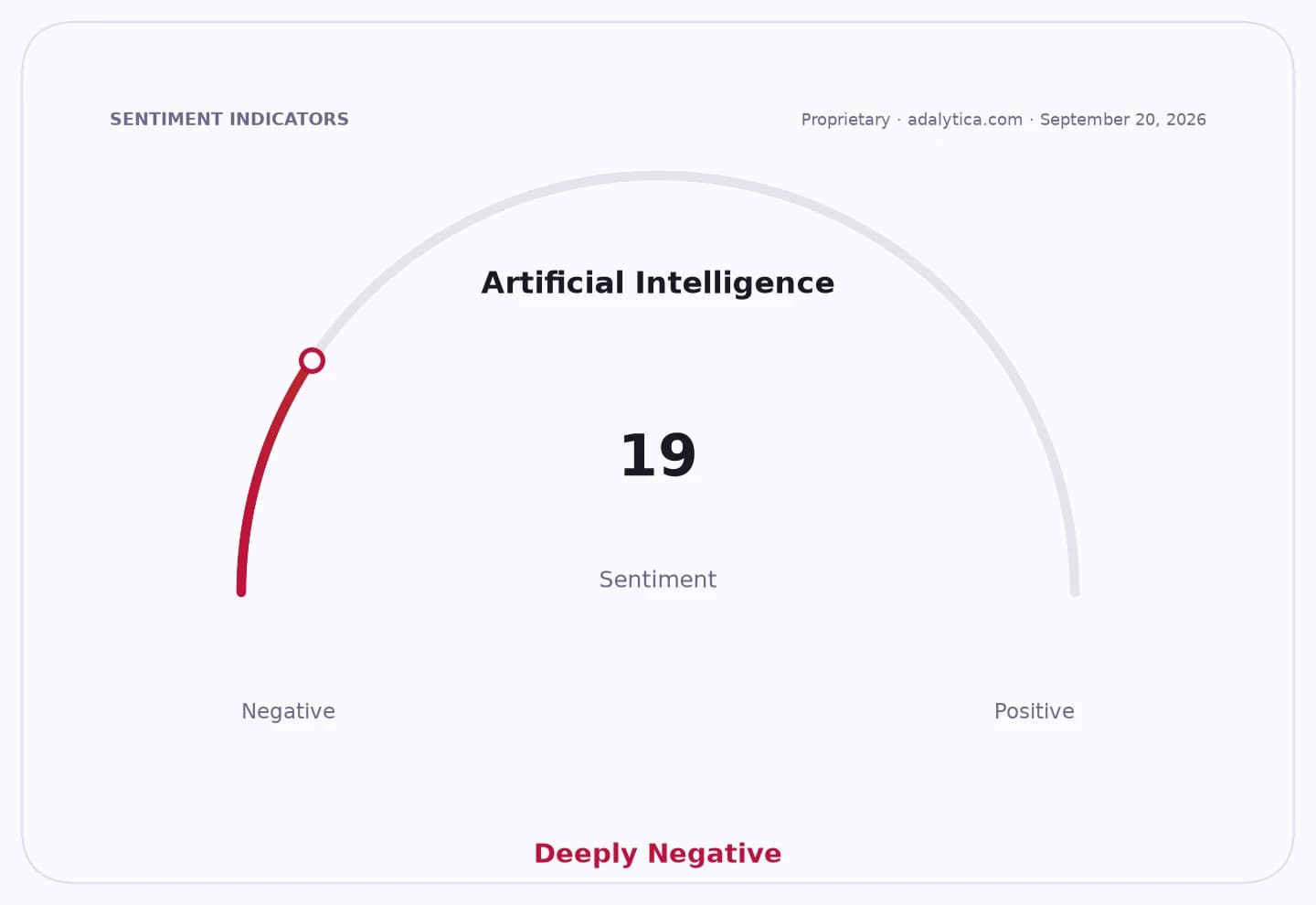
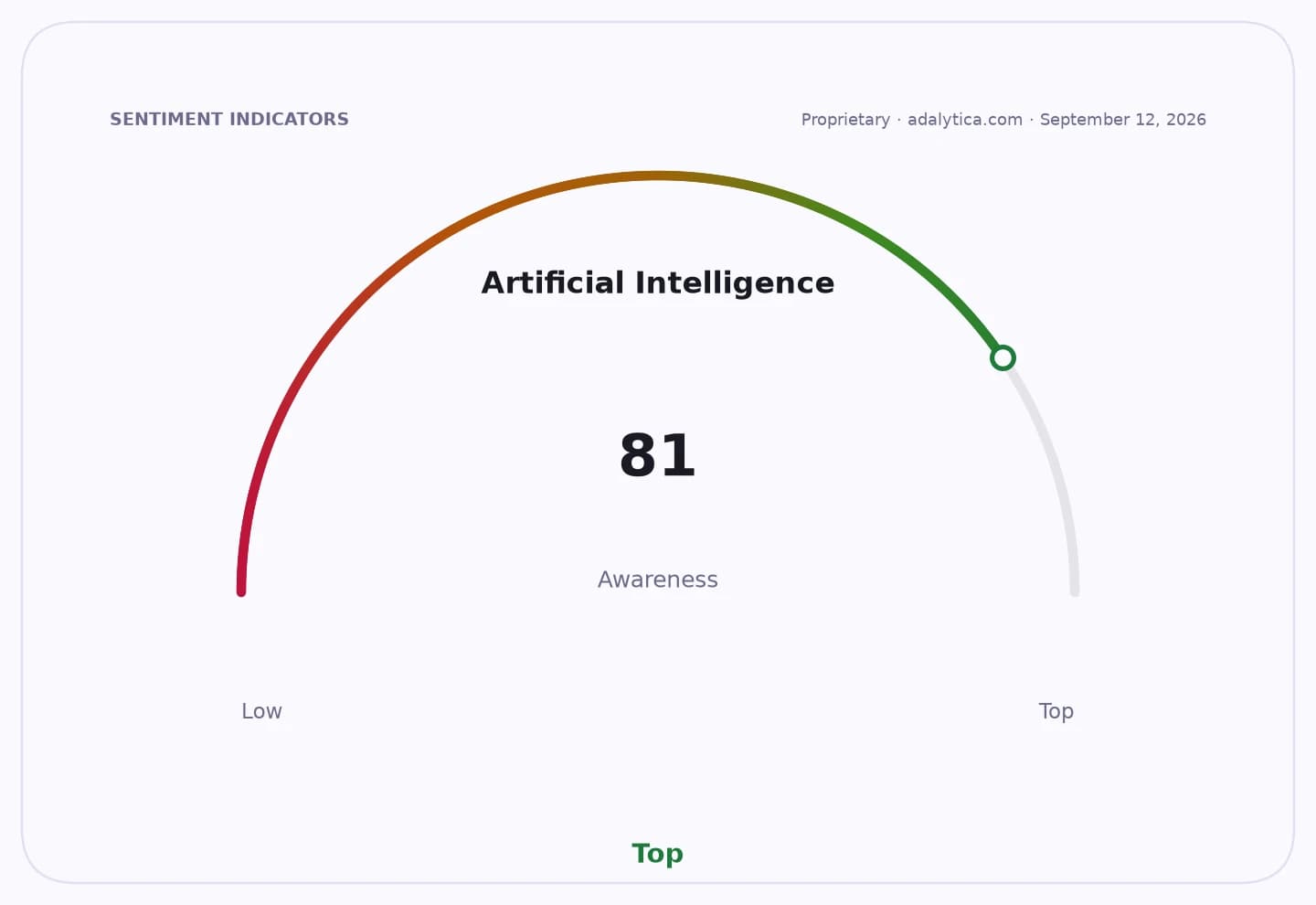
Sentiment IndicatorsⓘProprietary · adalytica.com · September 12, 2026
This is a snapshot — live sentiment, awareness and momentum for 130+ markets update continuously in the dashboard.Open AlphaPulse
For investors, that matters because the economics behind the rally are real. Hyperscalers are still spending heavily on data centers, chips, memory, packaging, testing, cooling and networking, and that spending has fed exceptional earnings growth for the region’s leading technology names. In other words, this is not a speculative AI trade floating on sentiment alone. It is being backed by hard demand, stronger exports and higher profit forecasts.
But the same forces that are lifting returns are also narrowing them. When three stocks account for roughly one-third of a major index, passive investors can end up taking far more company-specific risk than they think. If AI capital spending slows, if supply chains get disrupted or if the market rotates away from chipmakers, index holders could feel the pain fast. That is the central warning in emerging markets today: diversification can be an illusion when the benchmark itself is dominated by a few winners.
That is why the better long-term opportunity may not be in chasing the obvious AI leaders alone, but in looking farther down the value chain. Memory suppliers, circuit-board makers, component companies, cooling-system providers and other so-called backdoor AI plays can offer exposure to the same secular trend without concentrating everything in a few headline names. Active investors with strong local research may be able to move around the chain as valuations and product cycles change.
The bigger lesson is that emerging markets still offer much more than AI. China has pockets of strength in advanced manufacturing and industrial modernization, Vietnam is benefiting from supply-chain diversification, South Korea has corporate-governance reforms underway, and India continues to ride domestic demand and a growing middle class. Latin America, parts of Europe, the Middle East and Africa add resource exposure, reshoring themes and energy-transition opportunities.
For investors thinking in years, not weeks, the message is straightforward: AI is an important reason to own emerging markets, but it should not be the only reason. The best portfolios will likely mix the obvious winners with broader exposure to local growth, reforms and industrial trends. That is how you capture the upside without letting a single theme dictate your future returns.
| Entity | Gains | Losses |
|---|---|---|
| Taiwan Semiconductor, Samsung, SK Hynix | ▲Index leadership, earnings momentum | ▼Less diversification for holders |
| Passive EM index investors | ▲AI upside, strong returns | ▼Higher concentration risk |
| Active EM stock pickers | ▲More opportunities across the chain | ▼Requires deeper local research |
| Non-tech EM sectors | ▲Broader opportunity if AI cools | ▼Overshadowed by chip giants |