Templeton Emerging Markets Fund is trading at a modest discount to the broader emerging-markets benchmark, but that low 13.7 trailing price-to-earnings ratio is really a clue about what the portfolio owns: a concentrated wager on South Korean semiconductors and other cheaper Asian stocks that has recently outperformed the MSCI Emerging Markets Index.
Templeton Emerging Markets Fund Holds Chip Exposure

For long-term investors, that matters because valuation is only part of the story. The fund’s lower multiple is not coming from a sleepy, defensive mix of stocks. It is coming from a portfolio that is nearly 92% invested in equities and is heavily tilted toward technology-linked names, especially chipmakers tied to the artificial-intelligence buildout. In other words, Templeton is cheaper than the index, but it is not less cyclical.
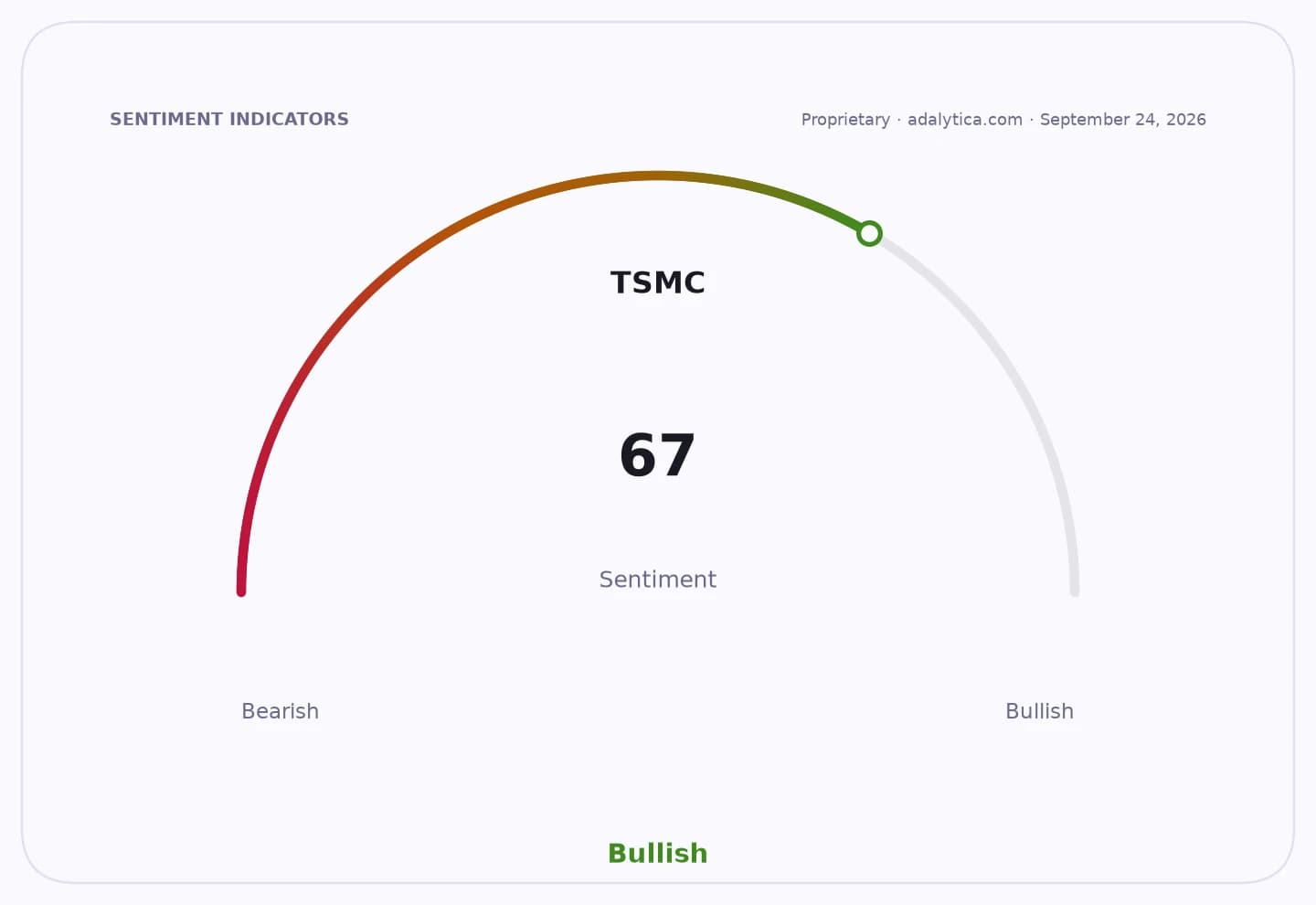
Sentiment IndicatorsⓘProprietary · adalytica.com · September 25, 2026
This is a snapshot — live sentiment, awareness and momentum for 130+ markets update continuously in the dashboard.Open AlphaPulse
The fund’s three largest holdings make that clear. Taiwan Semiconductor Manufacturing, Samsung Electronics and SK Hynix together account for a meaningful share of assets and give the portfolio direct exposure to the global appetite for chips and memory. That has helped drive strong recent results: over the past year, the fund gained 52.0% in euro terms, ahead of the MSCI Emerging Markets Index’s 40.3%, and it has also beaten the benchmark over three-, five- and ten-year periods.
The valuation gap is modest — 13.7 times earnings versus 14.4 for the index — but investors should not read that as a deep-value signal. Rather, it reflects active country and sector bets. Templeton has a heavier allocation to South Korea than the benchmark, while staying lighter in Taiwan. It also carries a sizable banking position, which tends to keep the fund’s overall multiple in check versus a more growth-heavy index slice.
That mix is why the fund is interesting now. If AI demand keeps supporting semiconductor earnings, the portfolio’s largest positions could keep doing the heavy lifting. If the chip cycle cools, the same concentration could work against it. Emerging-market investors know this trade-off well: you are buying not just countries, but the global industrial and technology cycle itself.
The bigger takeaway is that Templeton’s low P/E ratio is less a bargain-bin signal than a window into the fund’s strategy. It is a relatively inexpensive way to own a concentrated emerging-markets portfolio with an outsized stake in Asia’s chip champions. For investors with a three- to ten-year horizon, it is worth watching as a tactical complement to a broader EM fund — but not as a substitute for diversification.
| Entity | Gains | Losses |
|---|---|---|
| Templeton Emerging Markets Fund | ▲Cheaper valuation, AI-linked upside | ▼Higher cycle concentration |
| MSCI Emerging Markets Index | ▲Broader diversification | ▼Slightly richer valuation |
| South Korea chip stocks | ▲Heavier portfolio weighting | ▼More sensitivity to semiconductor swings |
| Long-term investors | ▲Potential value and growth mix | ▼Need patience through volatility |