Emerging markets face an 800 million-job shortfall over the next decade, a gap the UN’s development chief warned could become an economic and social crisis unless private investment replaces shrinking aid flows.
Emerging Markets Face 800 Million Job Shortfall
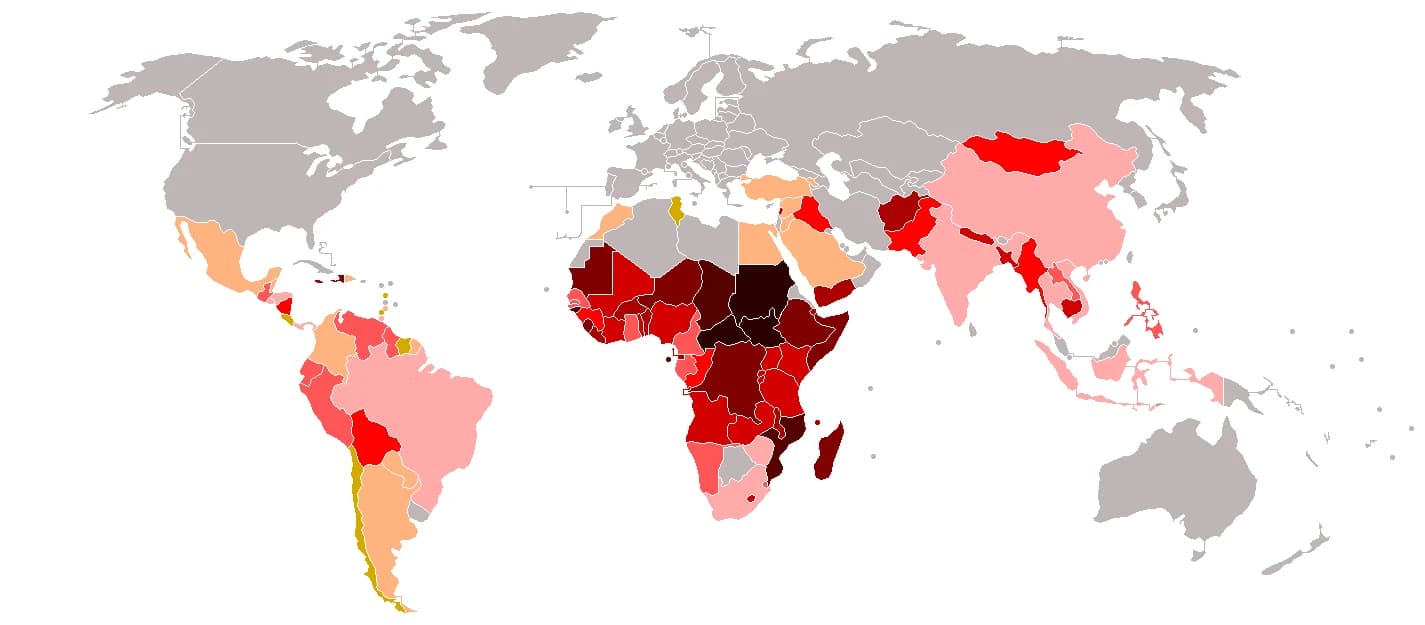
UNDP Administrator Alexander De Croo said the shortage is large enough to destabilize growth across developing economies, where young populations are expanding faster than labor markets can absorb them. He said foreign aid alone cannot solve the problem and argued that capital formation, not grants, will determine whether countries can create enough work to keep pace with demographics.
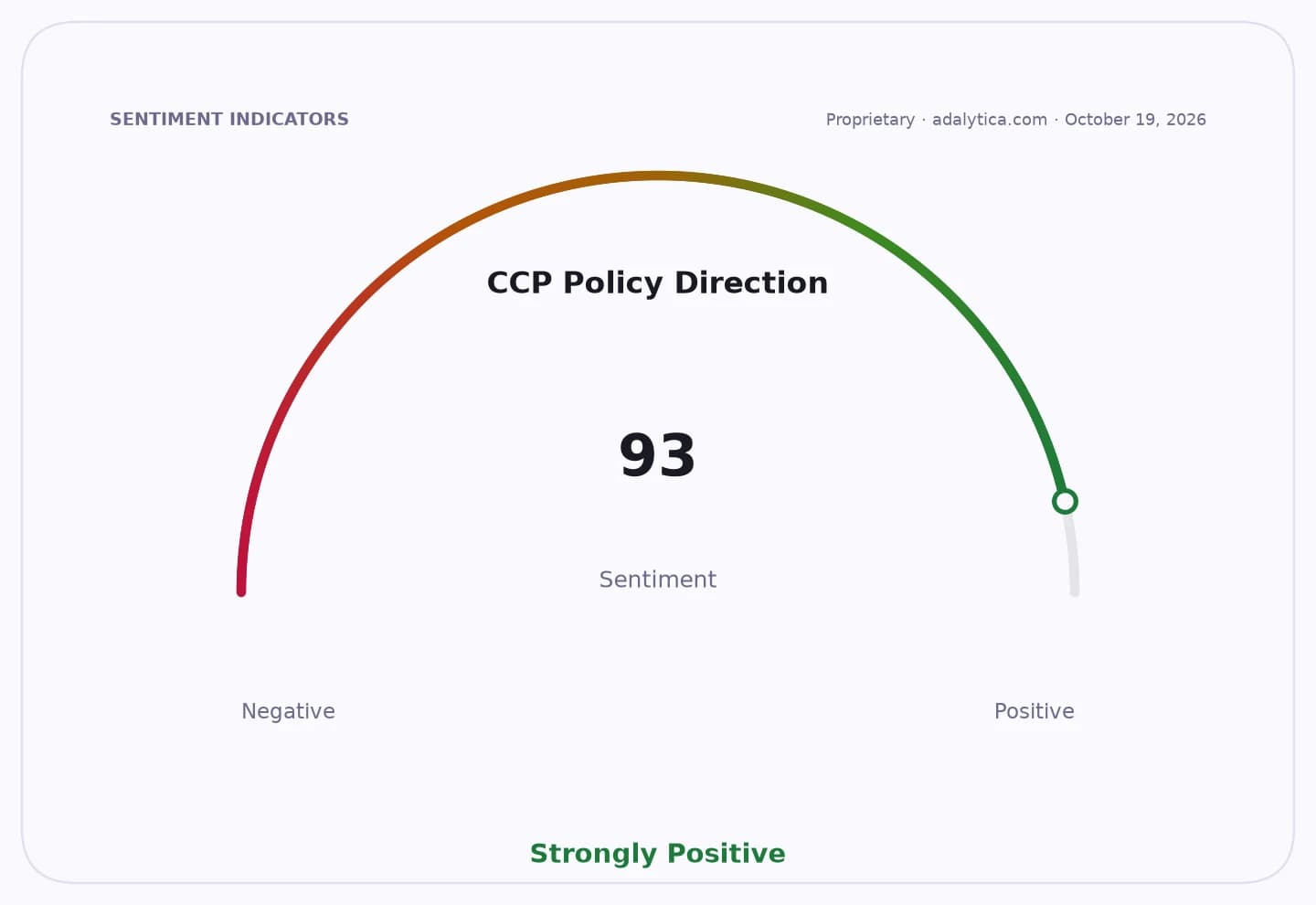
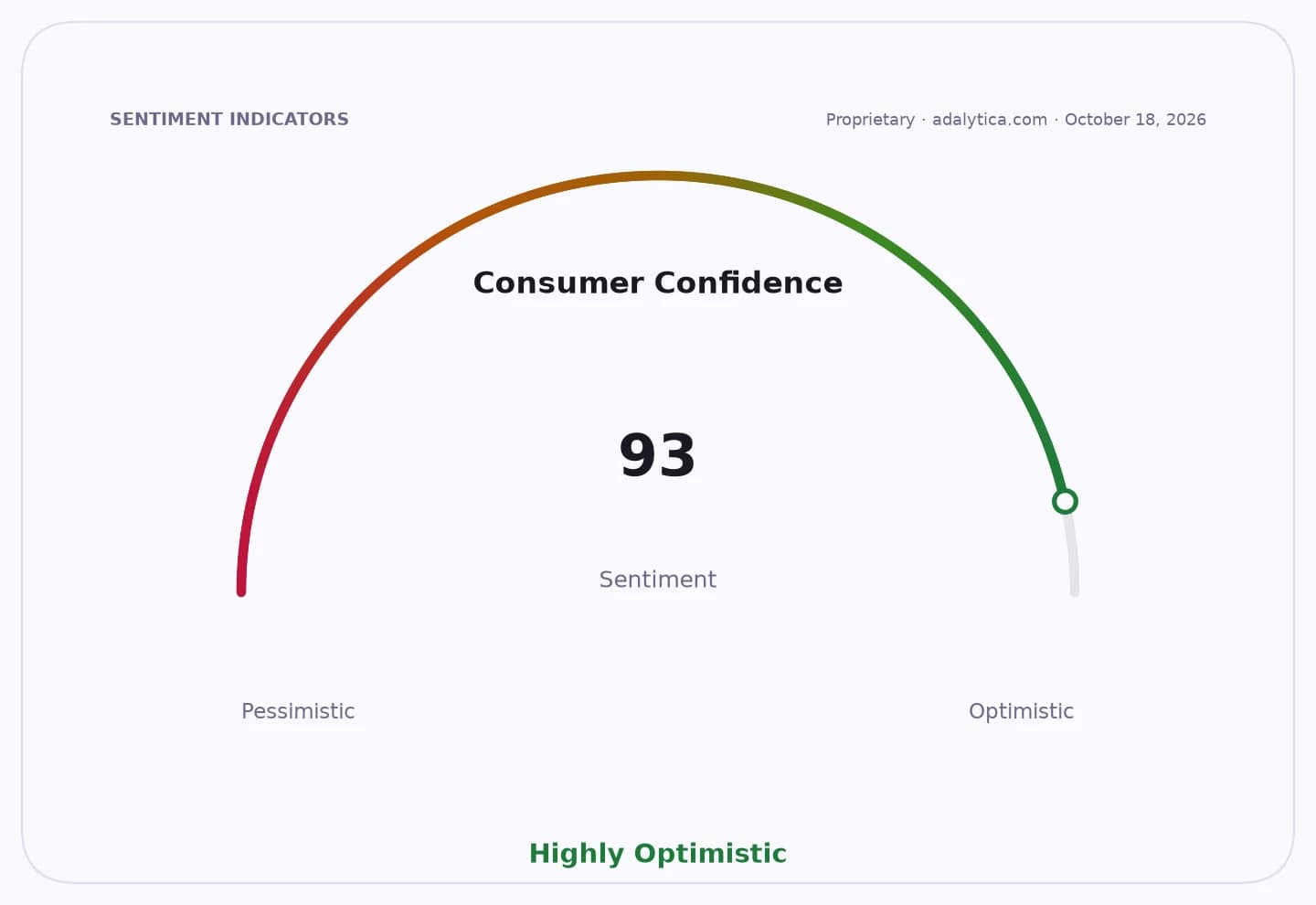
Sentiment IndicatorsⓘProprietary · adalytica.com · October 17, 2026
This is a snapshot — live sentiment, awareness and momentum for 130+ markets update continuously in the dashboard.Open AlphaPulse
The warning lands as investors and policymakers reassess the growth model for the developing world. A chronic lack of jobs constrains household spending, limits tax revenue and raises the risk of political unrest, all of which can weigh on asset prices, currencies and sovereign risk premia in emerging markets.
For global investors, the labor gap is another reminder that emerging-market returns will increasingly depend on private-sector job creation, infrastructure buildout and manufacturing expansion rather than aid-dependent development. Economies that can attract foreign direct investment, deepen capital markets and create formal employment are better positioned to support consumption and credit growth.
The issue also has implications for multinational companies searching for labor, suppliers and new demand in faster-growing economies. If jobs do not materialize, the result could be weaker domestic markets, more migration pressure and greater policy uncertainty, while countries that manage to absorb workers could become more attractive destinations for long-term capital.
De Croo’s remarks underscore a broader shift in development financing toward investment-led models, with the next test coming from whether governments and private lenders can mobilize enough capital to turn population growth into economic output rather than social strain.
| Entity | Gains | Losses |
|---|---|---|
| Private investors | ▲New growth opportunities | ▼Higher policy and execution risk |
| Emerging-market workers | ▲More job creation if capital arrives | ▼Labor underemployment and insecurity |
| Developing-country governments | ▲Stronger tax base and growth potential | ▼Social strain if jobs lag |
| Aid-dependent model | ▲Less reliance on grants | ▼Reduced relevance |