Energocom is set to leave a private office building and move into a state-owned property, ending a lease that had cost the Moldovan energy company about 530,000 lei a month and fed directly into consumer tariffs.
Energocom moves to state office, ends costly lease
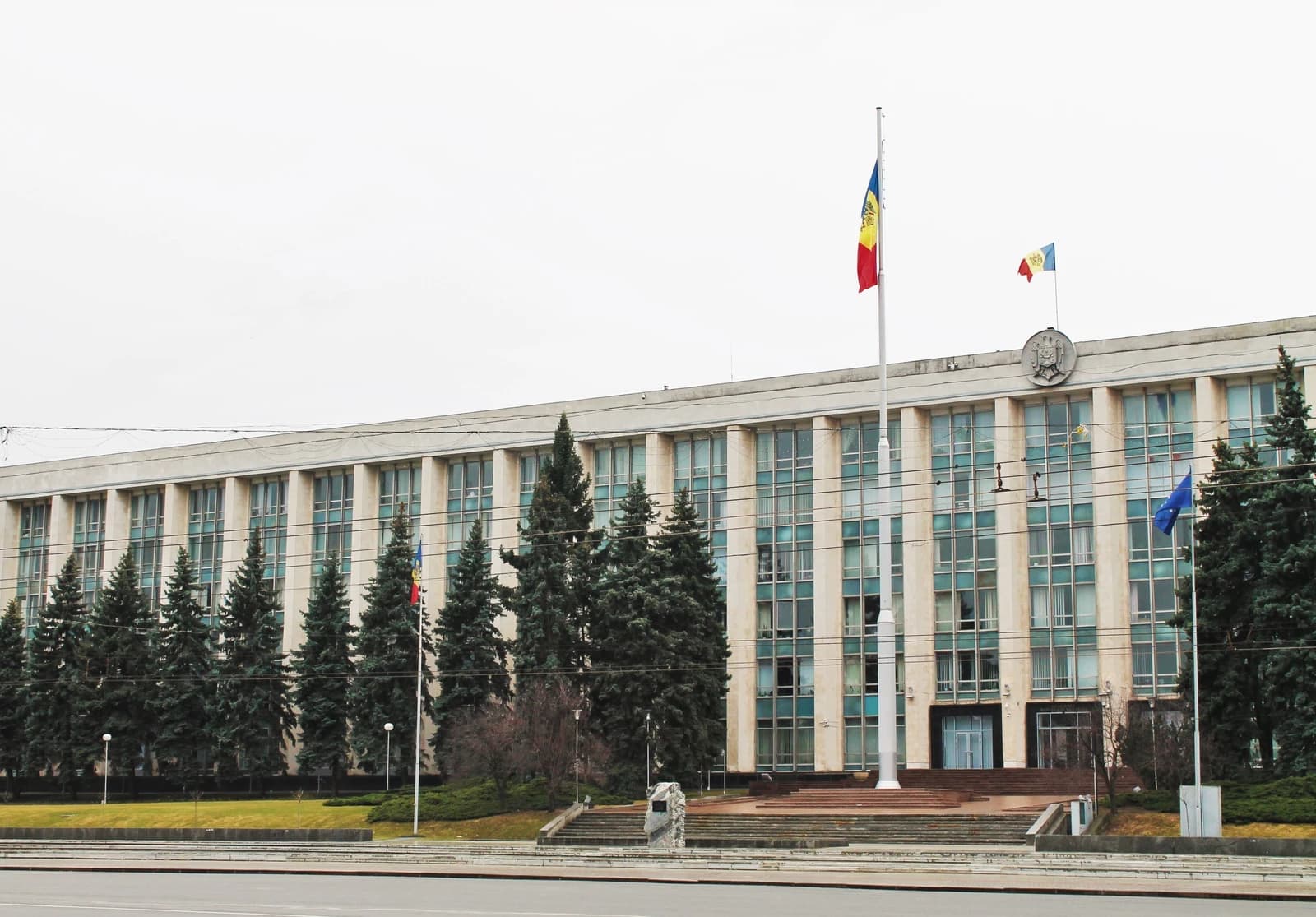
That matters because office rent may sound minor, but for a state-linked utility in a country where households already feel every change in energy costs, overhead is part of the price paid by consumers. The move is also a reminder that in regulated businesses, even administrative expenses can become politically sensitive when they show up in tariffs.
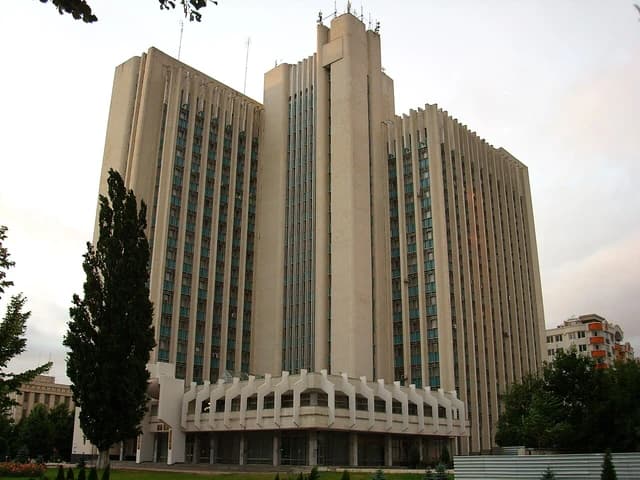
The head of Moldova’s energy regulator, Alexei Taran, said the company’s relocation will not automatically change what consumers pay, because ANRE applies a cap set by government decisions and the budget law when it calculates allowable tariff costs. If Energocom’s new rent is below that ceiling, the regulator uses the actual figure; if it is above, only the capped amount is included.
In other words, the market impact is less about a sudden tariff cut than about the principle of cost discipline. If the state can house one of its key energy players more cheaply, it strengthens the case for tighter oversight of overhead across the public sector. That is especially important in Moldova, where energy pricing remains a household issue and where trust in state institutions can be fragile.
Energocom’s board decided in September to terminate the lease, after lawmakers said the company had previously passed over office space offered by state firms such as Moldtelecom and Tracom in favor of a private landlord linked to a businessman facing tax evasion and money-laundering allegations. The company has said the rent amounted to less than one ban per cubic meter of natural gas, a small figure in isolation but one that can become a public flashpoint when energy bills are under strain.
Taran also noted that ANRE itself has been trying for years to find a new headquarters, underscoring a broader public-sector problem: expensive, inefficient office arrangements can linger for years when the state relies on the private market for space. For investors and observers, the real takeaway is that Moldova is still working through the basics of utility governance — and that reform in that area can matter just as much as wholesale prices, because it affects how much cost ultimately flows through to consumers.
For long-term investors watching the region, the story is a useful signal that state utilities and regulators are under pressure to clean up procurement and overhead. That won’t move markets overnight, but over time, better governance and lower administrative waste can support more stable tariffs, better public trust and a healthier investment climate.
| Entity | Gains | Losses |
|---|---|---|
| Energocom | ▲Lower overhead | ▼Private landlord |
| Moldovan consumers | ▲Cleaner tariff optics | ▼Potentially higher costs if waste persists |
| State institutions | ▲Better cost control | ▼Firms tied to old leases |
| ANRE | ▲Stronger tariff discipline | ▼Pressure to find new premises |