Moldova is pushing deeper into the European Union orbit, but the price of catching up is becoming clearer: debt service will soon cost more than the government plans to spend on roads, agriculture and defense combined, sharpening the question of whether the country’s biggest economic problem is poverty or how it spends.
Moldova debt service to exceed roads, agriculture, defense
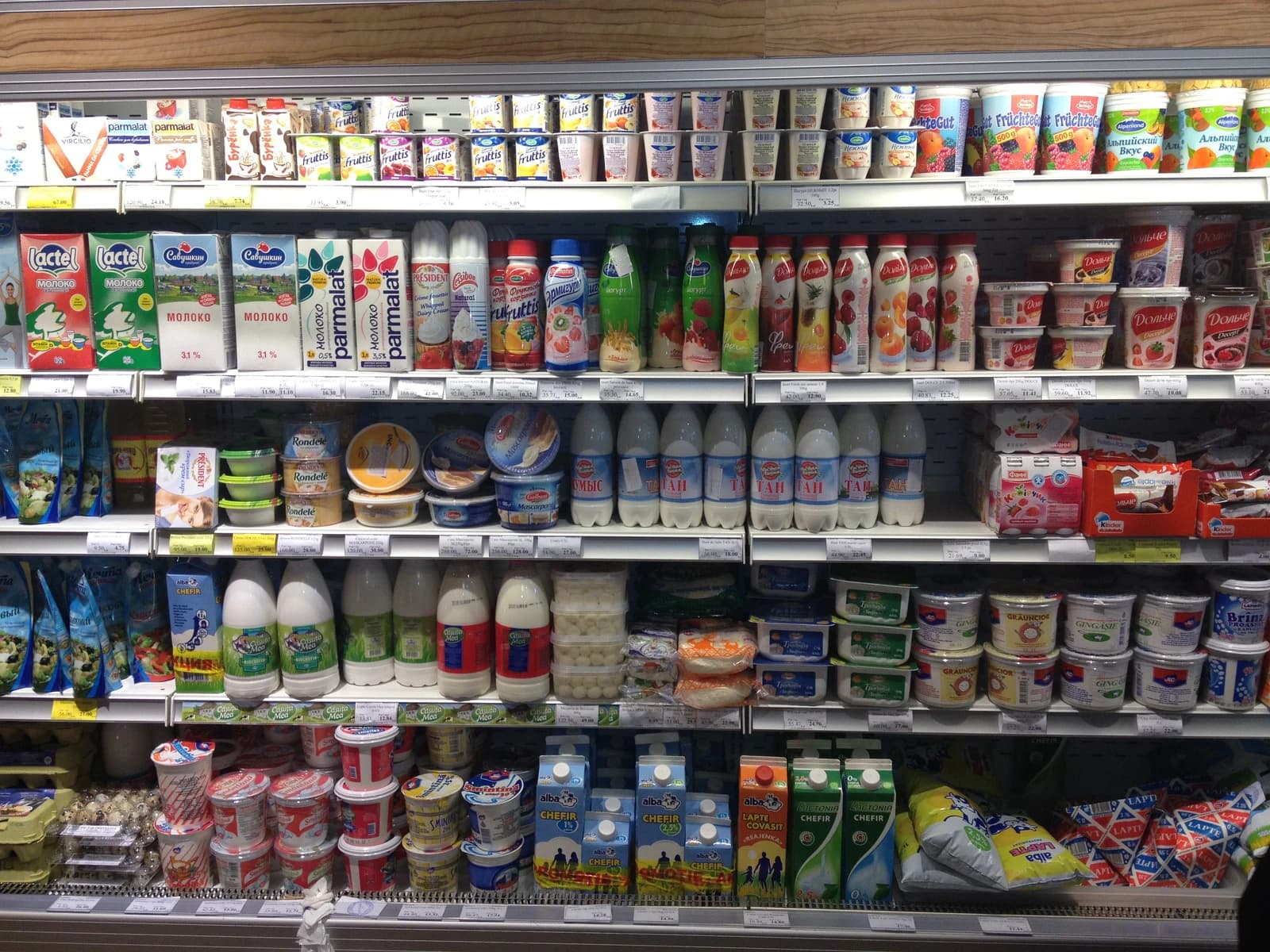
That tension sits at the center of Moldova’s next phase of development. Brussels has unanimously approved the opening of the last two negotiation clusters for accession talks, giving Chisinau political momentum and a clearer path toward EU alignment, while the government is also moving to protect 348 new geographical indications inside the bloc to help domestic producers reach bigger markets.
At the same time, Moldova’s 2027 draft budget targets 2.8% growth and a 4.7% deficit, a combination that suggests the economy is still expanding but remains under strain. The detail that debt servicing alone will exceed combined outlays for roads, agriculture and defense is the more economically important signal for investors and policymakers: it points to narrow fiscal room just as the country tries to modernize institutions, lift living standards and meet EU standards.
The argument that Moldovans are “too spendthrift” is too simple, but it captures a real policy debate. The government is spending against a backdrop of rising living costs, labor shortages and pressure to improve infrastructure and social resilience, even as it works through reforms in public procurement and pollution control to align with European rules.
There are some encouraging signs beneath the fiscal pressure. Industrial producer prices have accelerated, tourism is benefiting from foreign arrivals and EU market access could improve the outlook for exporters if the new geographic indications translate into stronger brand protection and pricing power.
For investors, the story is less about a single growth number than about execution risk. EU accession progress can lower political risk premia over time, but the budget arithmetic shows Moldova still has to prove it can convert reform momentum into a stronger tax base, better spending efficiency and manageable borrowing costs.
The next test will be whether the government can maintain reform pace without letting financing costs crowd out productive investment, especially as it seeks to lock in gains from EU integration and support a wider recovery.
| Entity | Gains | Losses |
|---|---|---|
| Moldovan exporters | ▲EU market access, protected brands | ▼Higher compliance costs |
| Government of Moldova | ▲EU accession momentum | ▼Fiscal flexibility |
| EU-aligned reformers | ▲Political support | ▼Little room for delay |
| Bondholders and lenders | ▲Reform credibility | ▼Rising debt-service strain |