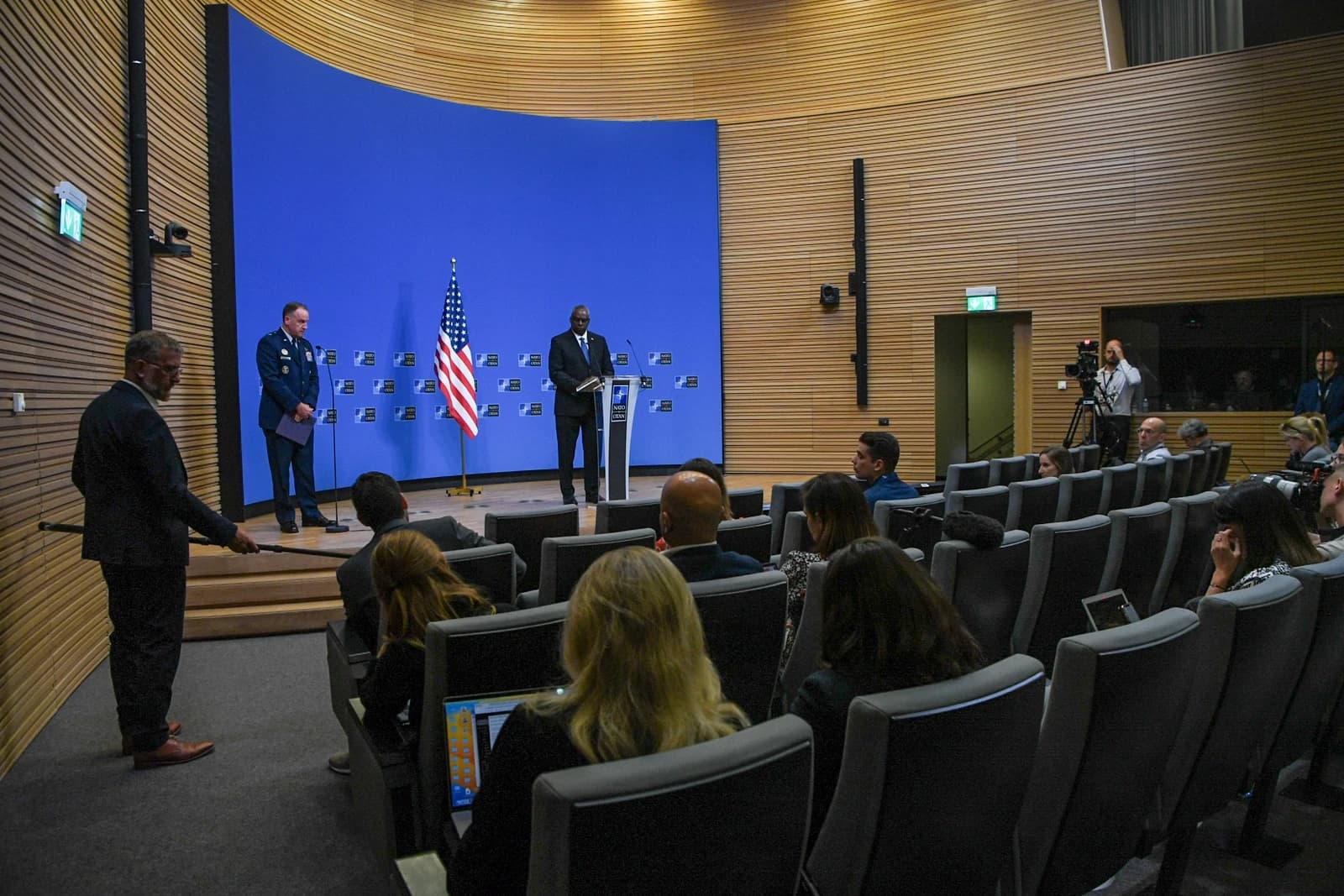
Donald Trump is pressing European allies to redirect billions of dollars from Ukraine aid into their own economies, a stance that could reshape how the West finances the war and how investors price Europe’s fiscal and defense outlook.
Trump Presses Europe on Ukraine Aid and Security
The message, delivered during consultations with leaders of the so-called coalition of the willing, underscores Trump’s attempt to reduce the U.S. and European cost of supporting Kyiv while pushing the continent toward a postwar security framework that leans less on open-ended military spending. Jared Kushner, the president’s special envoy and son-in-law, said Trump argued that “hundreds of billions of dollars” tied up in the conflict could instead fund jobs, growth, lower energy costs and infrastructure.
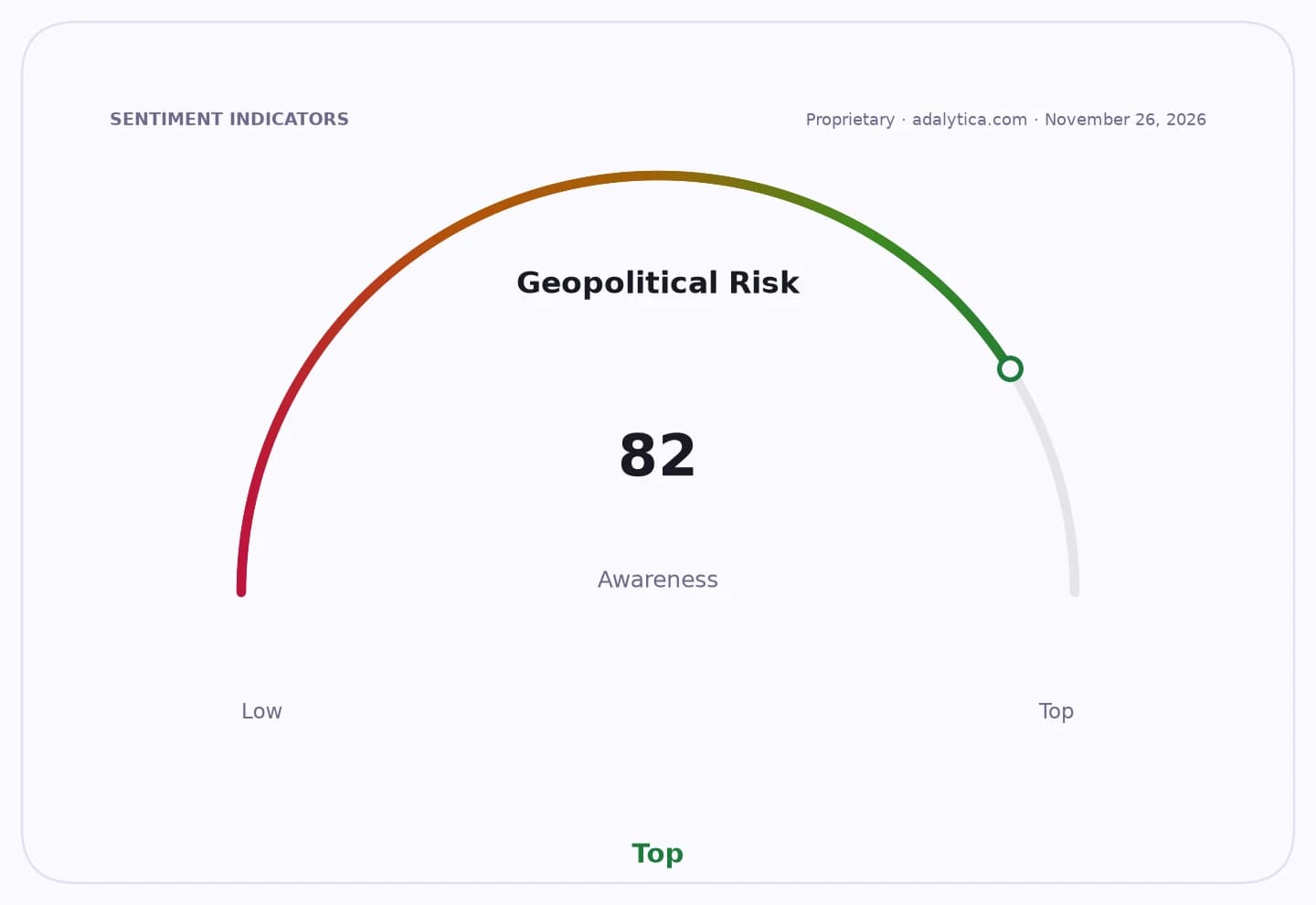
Sentiment Indicators
That shift matters economically because Europe is already juggling higher defense outlays, weak growth and rising pressure on public budgets. Countries including Portugal and Germany are facing tighter fiscal arithmetic as war-related spending competes with domestic priorities, while any sign that future support for Ukraine may be pared back could alter sovereign borrowing plans, deficit projections and energy-market assumptions.
For investors, the immediate read-through is to European government bonds, defense shares and the euro. If Washington pushes allies toward a settlement that reduces Ukraine-related spending, the case for higher European military budgets gets more complicated, potentially easing pressure on some balance sheets but also raising questions about regional security and the need for longer-term deterrence spending.
Trump also signaled willingness to consider security guarantees for Ukraine modeled on NATO’s Article 5 collective defense principle, though Kushner said any such commitment would require constitutional procedures and congressional involvement. He said the administration wants Russia, Ukraine and European governments to discuss a broader European security architecture in the coming weeks, adding that the goal is a framework that makes renewed war less likely.
The backdrop is a market already sensitive to geopolitical risk and fiscal strain. The S&P 500 has swung sharply in recent sessions, with Adalytica’s trade-signal snapshot showing “Extreme Fear” in sentiment, while the U.S. dollar is also flashing “Extreme Fear,” reflecting the uncertainty around policy, growth and war risk. Any progress toward negotiations could support risk assets, but a failed push would keep pressure on Europe’s spending plans and on sectors tied to energy, defense and industrial production.
The next catalyst is whether Trump’s envoys can translate the rhetoric into talks with Moscow, Kyiv and European capitals. If they do, investors will start pricing not just the odds of a cease-fire, but also who pays for Europe’s security afterward.
| Entity | Gains | Losses |
|---|---|---|
| European treasuries | ▲Easier fiscal pressure | ▼Less wartime urgency for spending |
| Defense contractors | ▲Continued rearmament spending | ▼Budget reprioritization risk |
| Ukraine | ▲Potential security guarantees | ▼Risk of softer aid flow |
| Investors in risk assets | ▲Lower geopolitical risk premium | ▼If talks fail, renewed volatility |