NATO members used a Berlin meeting to warn Russia they will defend every inch of alliance territory, after Russian cruise missiles crossed into Poland and sharp tensions revived bets on higher defense spending across Europe and the U.S.
NATO Warns Russia After Poland Airspace Breach
German Chancellor Friedrich Merz said Moscow must stop “dangerous provocations” immediately and told Russia NATO would defend “every foot” of its territory if necessary, while Secretary-General Mark Rutte said the incident clearly originated from Russia. Poland said three flying objects entered its airspace on Friday and later crashed in the southeast; its prosecutors said they were Russian CH-101 cruise missiles, though Moscow has not commented.
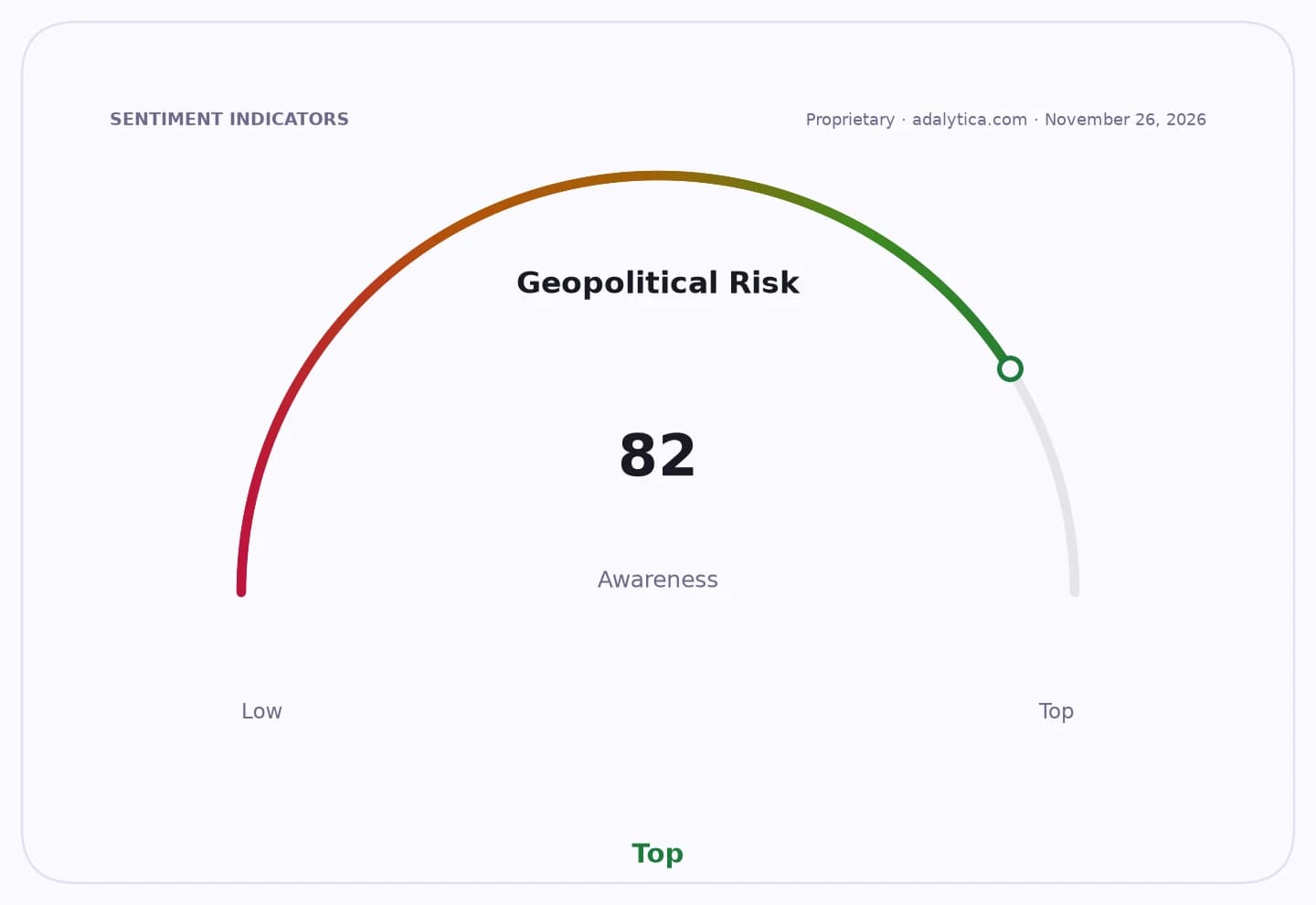
Sentiment Indicators
The message mattered because it reinforced the risk premium now building around European security and military budgets. A wider confrontation would raise demand for air defense, missiles, surveillance and space-based systems, even as governments face pressure on deficits and debt.
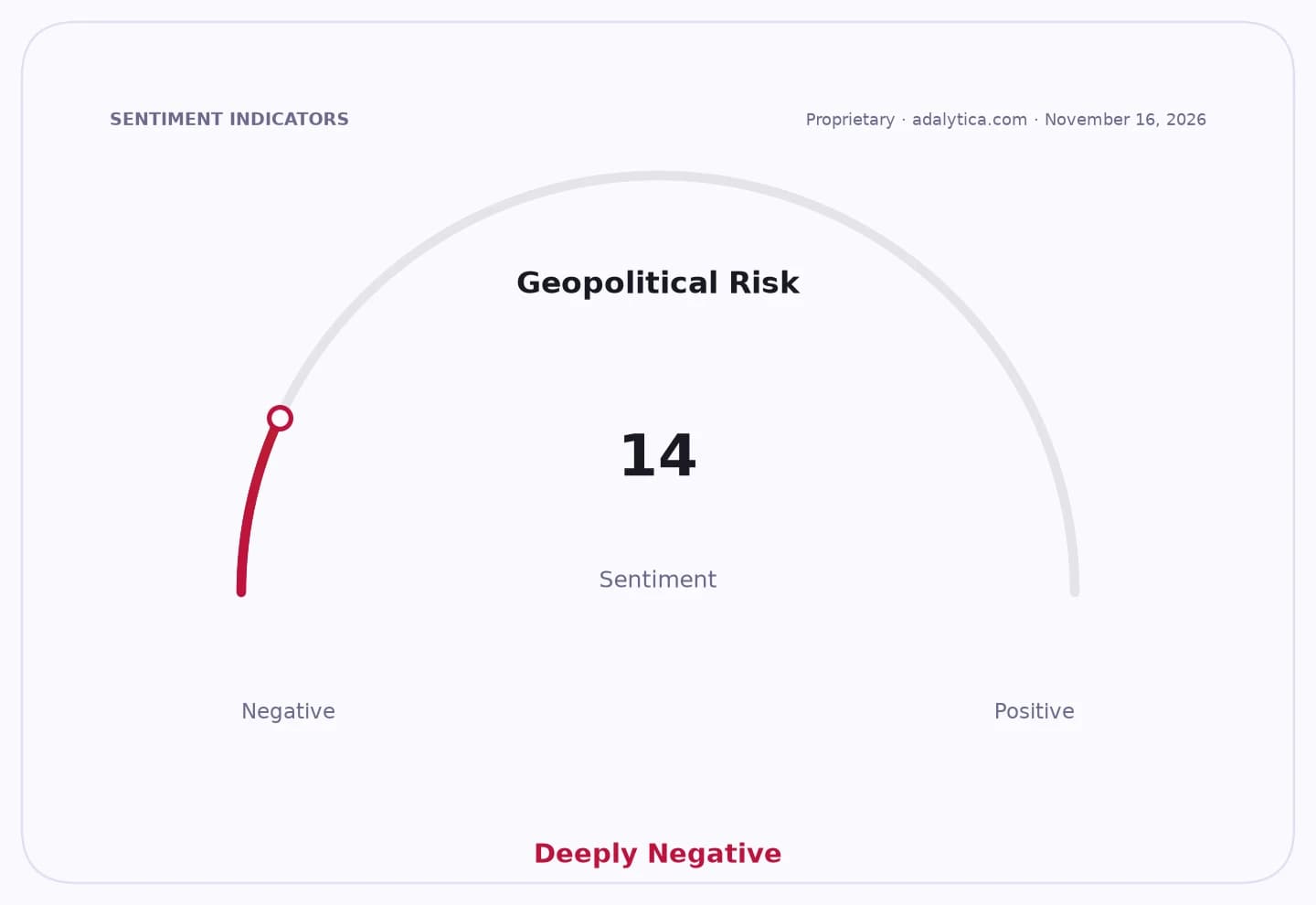
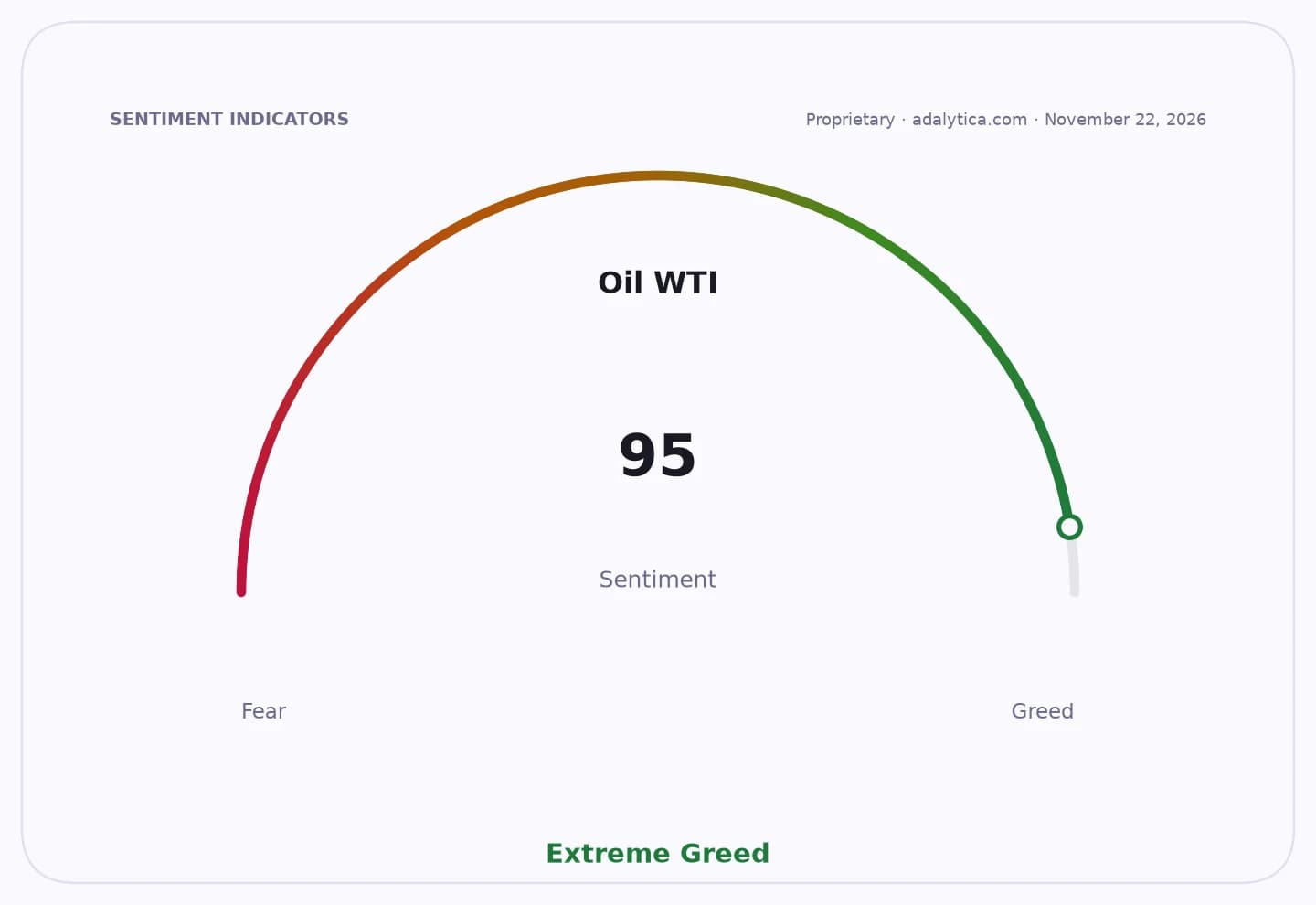
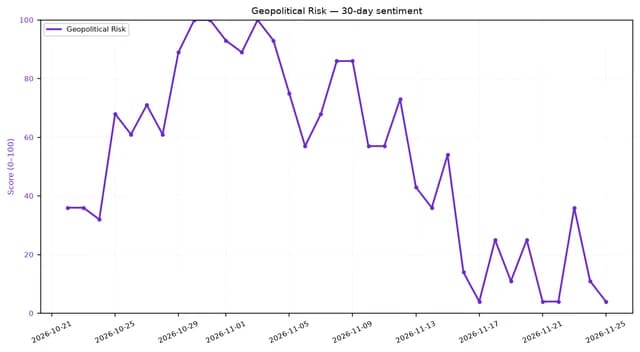
Investors are already leaning into that trade. Lockheed Martin, a major Patriot and missile systems supplier, rose to $599.24 on Wednesday from $567.08 on Nov. 6, while RTX climbed to $196.19 from $194.77 on Nov. 23. Northrop Grumman also edged up to $555.79 from $542.14 over the same period. The moves came as the Adalytica Global Stability Sentiment gauge sank to 4.0, labeled “Extreme Fear,” from 36.0 on Nov. 23 and 11.0 on Nov. 24, underscoring how quickly geopolitical anxiety is bleeding into markets.
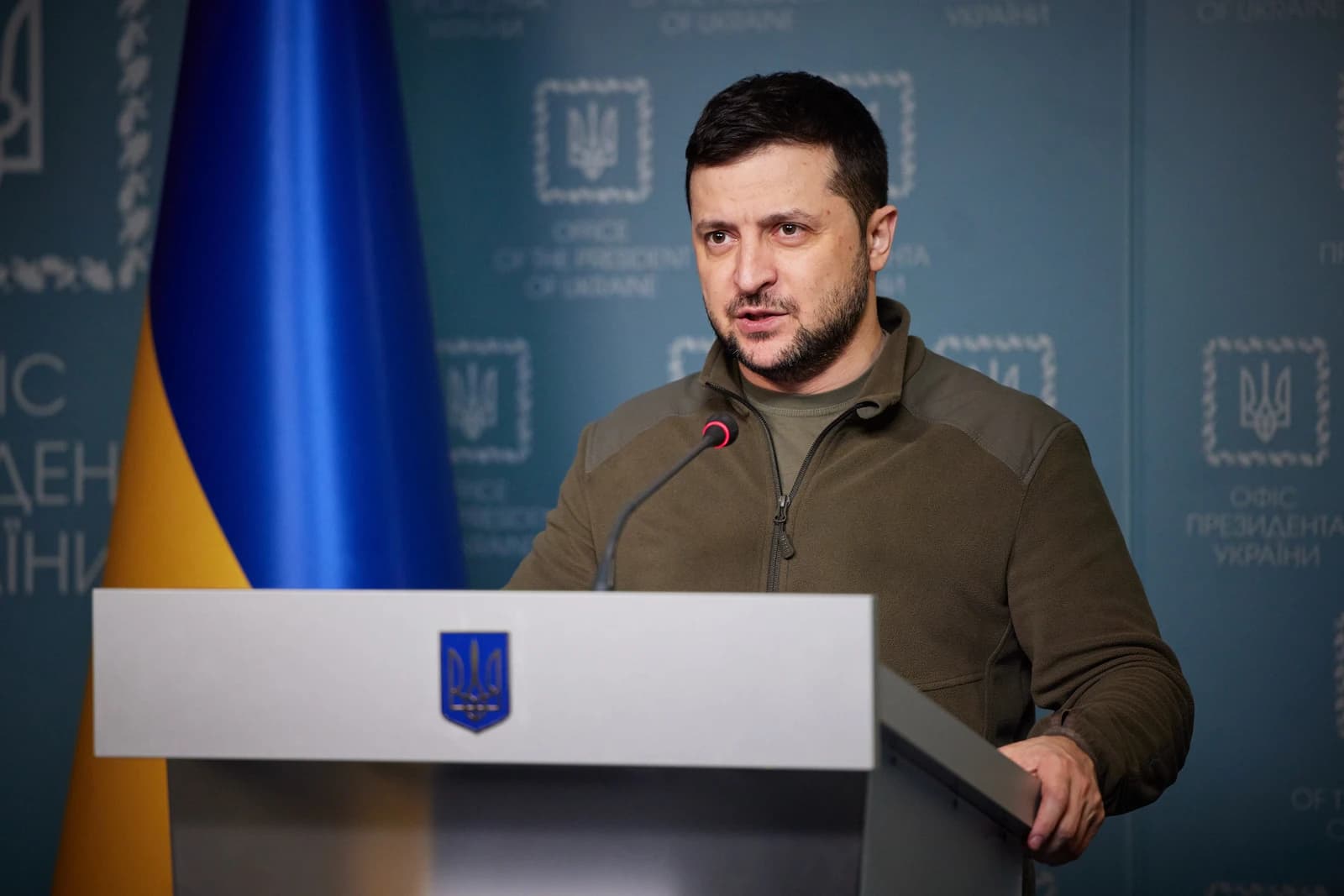
Merz also used the meeting to argue that Europe’s security calculus has changed since NATO failed to admit Ukraine in 2008, calling that decision a mistake and saying membership would likely have prevented the war. Ukraine’s President Volodymyr Zelensky, speaking by video, again pressed for NATO entry, while Merz said any ceasefire deal should include security guarantees comparable to Article 5.
The standoff keeps defense contractors in focus, especially as NATO governments discuss how to harden air defenses and space assets after reports that Russia may seek nuclear capabilities in space. For investors, the immediate watchpoints are whether the rhetoric turns into fresh procurement, how quickly Europe lifts spending, and whether the latest escalation drives more capital into defense shares and away from broader risk assets.
| Entity | Gains | Losses |
|---|---|---|
| Lockheed Martin, RTX, Northrop Grumman | ▲Higher demand for missiles and air defense | ▼Pressure to ramp output |
| NATO members | ▲Stronger case for defense budgets | ▼Higher fiscal strain |
| Russia | ▲Military leverage from escalation | ▼More sanctions and isolation |
| Risk assets | ▲— | ▼Higher geopolitical risk premium |