It also helps explain why some Ukrainian companies are moving production abroad. Oleg Roginsky, chief executive of the British-Ukrainian joint venture Uforce, said every Ukrainian company at scale is trying to establish itself in the West. That is not just a defensive move; it is a capital-preservation strategy. For investors, it points to a second-order trade: Western Europe becomes the platform for rebuilding Ukrainian defense manufacturing, which favors industrial hosts, suppliers and defense-adjacent infrastructure.
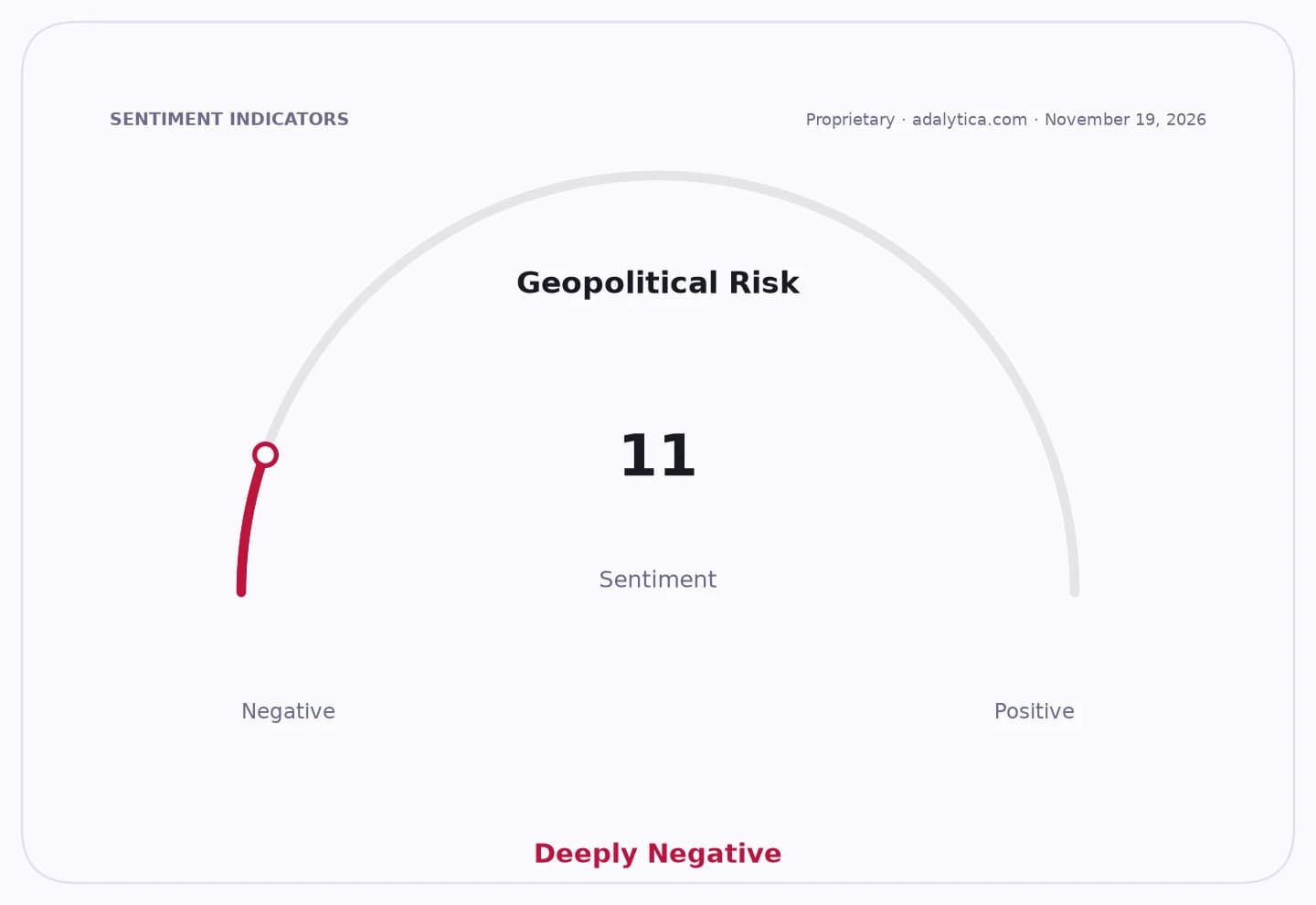
The broader geopolitical backdrop remains volatile. President Vladimir Putin has promised a painful response to attacks on the Crimean bridge and said it will be rebuilt, a reminder that escalation risk has not eased even as diplomatic channels reopen. The resumed peace talks may matter at the margin, but they do not erase the central investment thesis: the war is still being shaped by production capacity, not rhetoric.
Our view is simple: the market should keep pricing in a long-duration defense supercycle, with the strongest upside in the picks-and-shovels names tied to missiles, air defense, drones, electronics and manufacturing capacity. Ukraine’s limits are Russia’s advantage on the battlefield, but they are also a durable tailwind for Western defense equities.