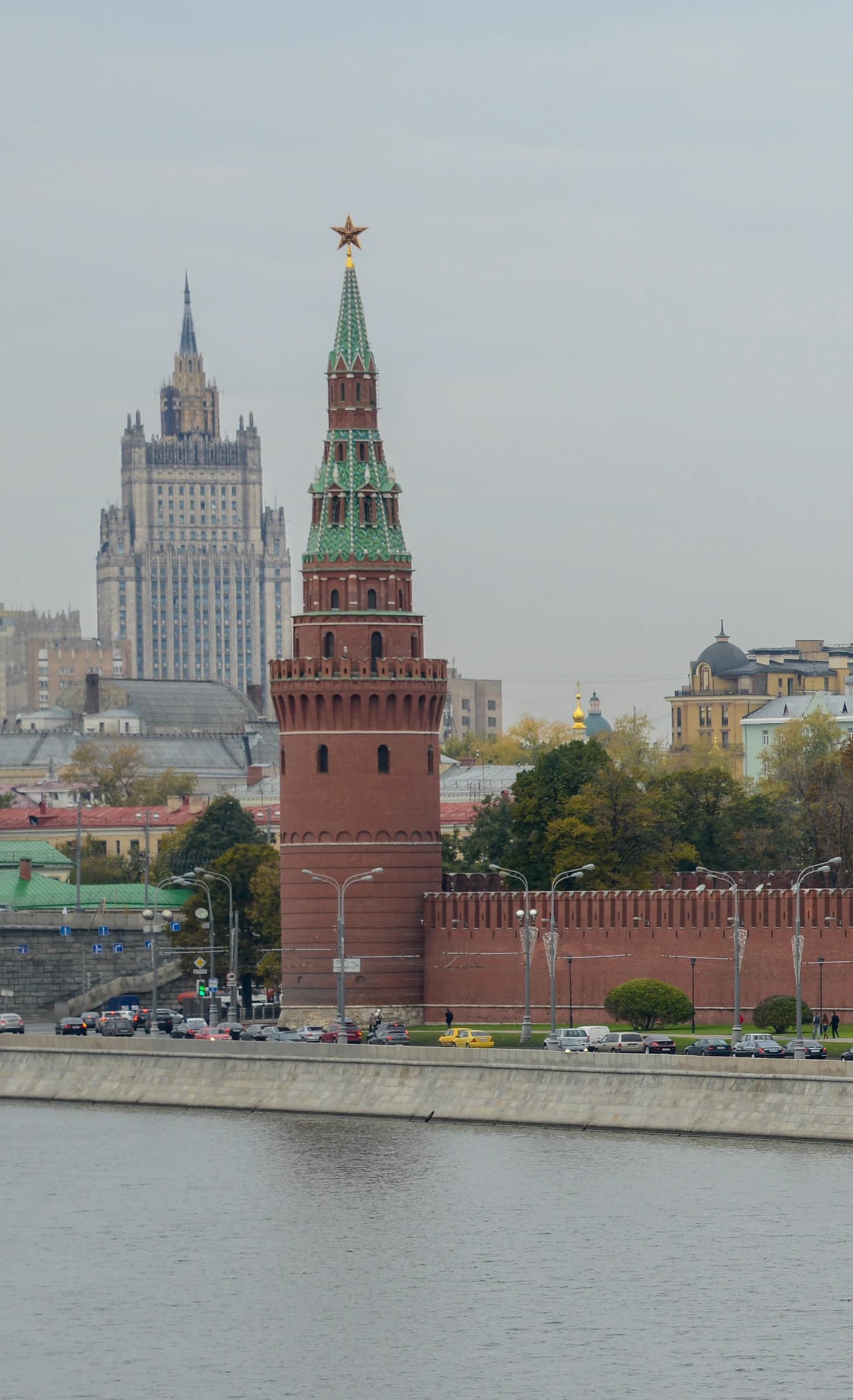
Russia’s foreign ministry is doubling down on a confrontational geopolitical message just as tensions with Europe worsen, with one senior official saying Moscow’s existence prevents any single power from becoming a global hegemon.
Russia Says It Blocks a Global Hegemon
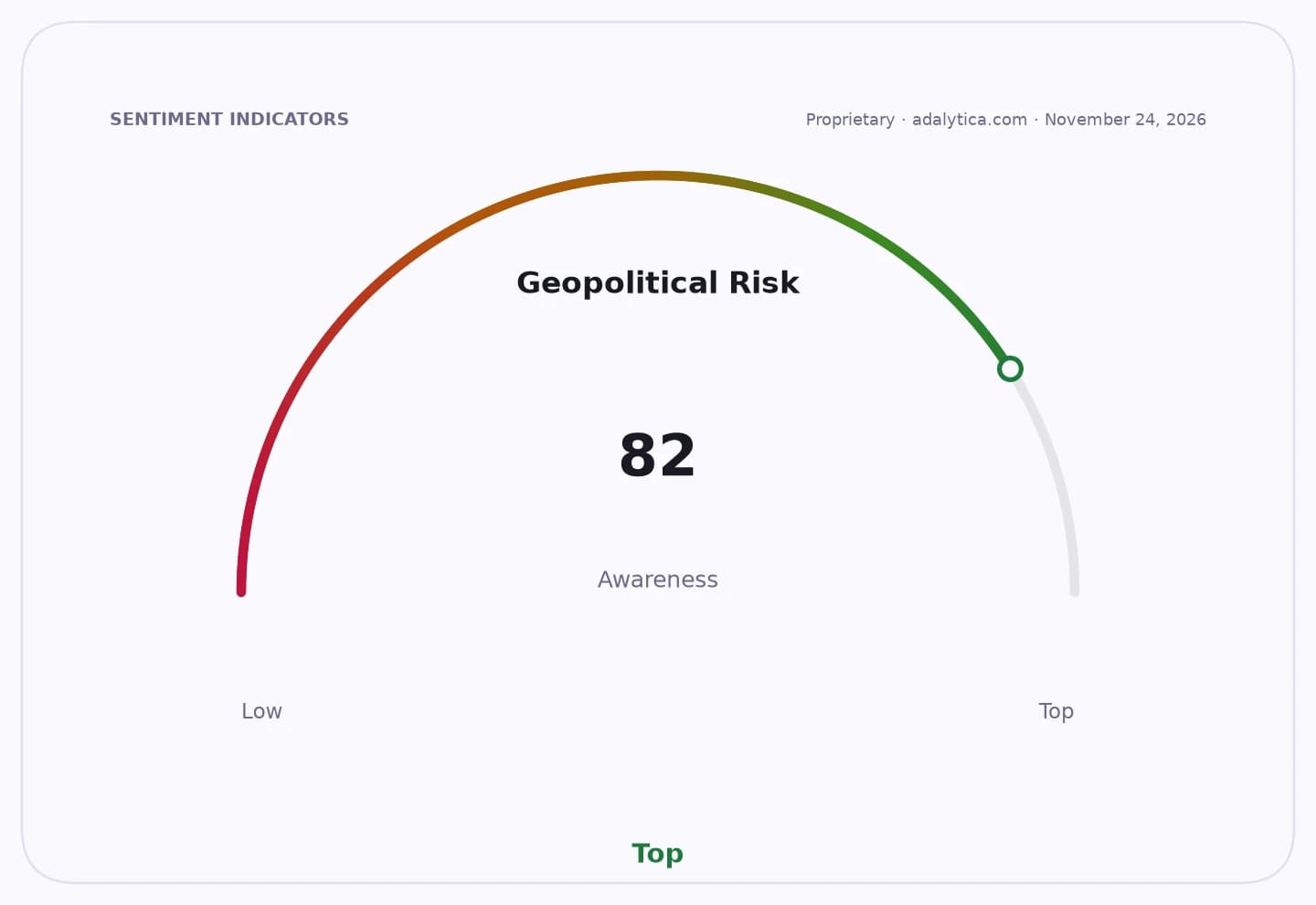
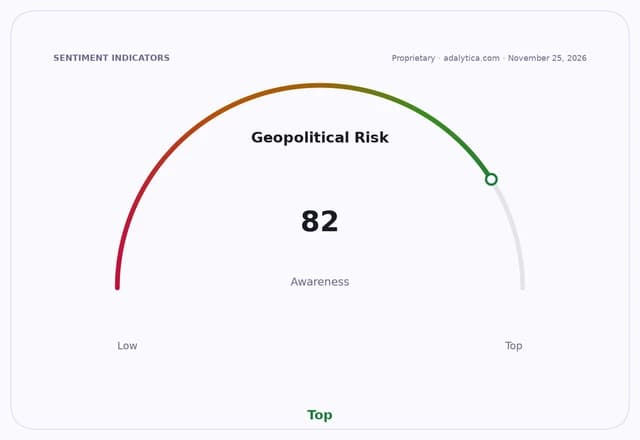
That line matters because it is more than rhetoric. It signals that Russia still sees itself as a structural check on the Western-led order, not as a power willing to compromise on the terms of that order. For investors, that means the geopolitical risk premium tied to Europe, energy routes, defense spending and sanctions is unlikely to fade anytime soon.
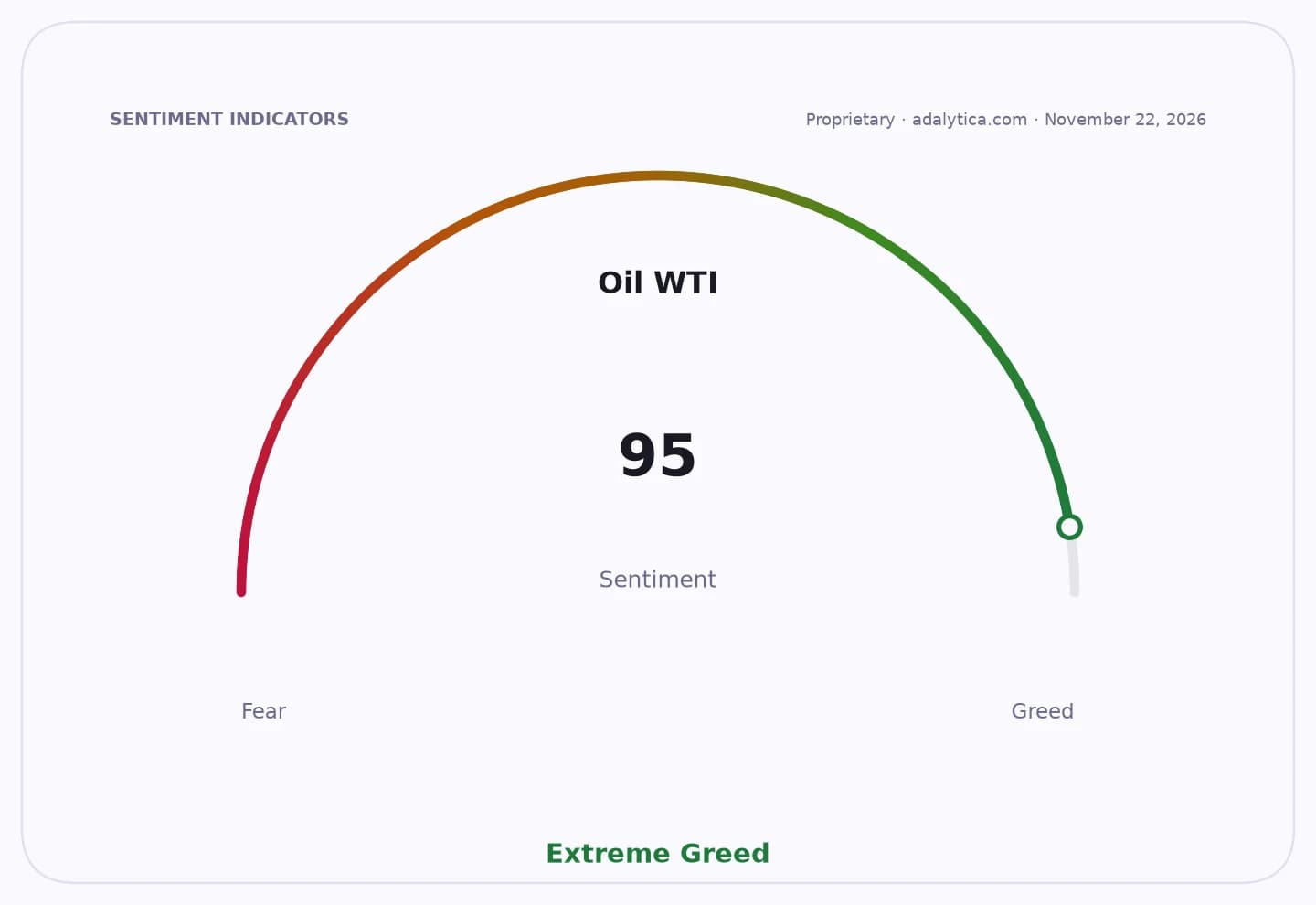
Sentiment Indicators
Alexey Drobinin, director of the foreign ministry’s policy planning department, told the Valdai discussion club that Russia “historically” provides balance in world affairs and prevents one hegemon from dictating conditions to other countries. “As long as Russia exists, the hegemon will not appear,” he said.
The timing is important. Estonia said it will close all border crossings with Russia from Dec. 1 after what it called a foiled sabotage attempt against a drone factory, an episode Tallinn attributed to Russian military intelligence. The move follows a string of suspected hybrid operations, including an attempted fire, and shows how the conflict is spilling into Europe’s front line states.
For markets, that kind of escalation is not just diplomatic noise. It reinforces the case for higher defense budgets across NATO, continued caution around companies exposed to Eastern Europe, and a lasting premium on assets tied to security, infrastructure resilience and supply-chain redundancy. It also keeps sanctions risk alive for sectors that still have any direct or indirect Russian exposure.
The broader takeaway is that Moscow is not signaling moderation. It is framing Russia as an indispensable great power in a multipolar world, while Europe is responding by tightening borders and hardening defenses. That combination tends to keep global instability elevated, which is exactly the sort of backdrop that investors ignore at their peril.
For long-term investors, the lesson is simple: geopolitical shocks create volatility, but they also shape which industries win over the next decade. Defense, cybersecurity, logistics resilience and diversified global portfolios remain worth watching.
| Entity | Gains | Losses |
|---|---|---|
| NATO defense contractors | ▲Higher military spending | ▼Peace dividend hopes |
| Estonia and Baltic states | ▲Tighter security posture | ▼Cross-border trade flow |
| Russia’s strategic hardliners | ▲Messaging leverage | ▼Diplomatic normalization |
| Global investors in safe havens | ▲Risk-off support | ▼Emerging Europe exposure |