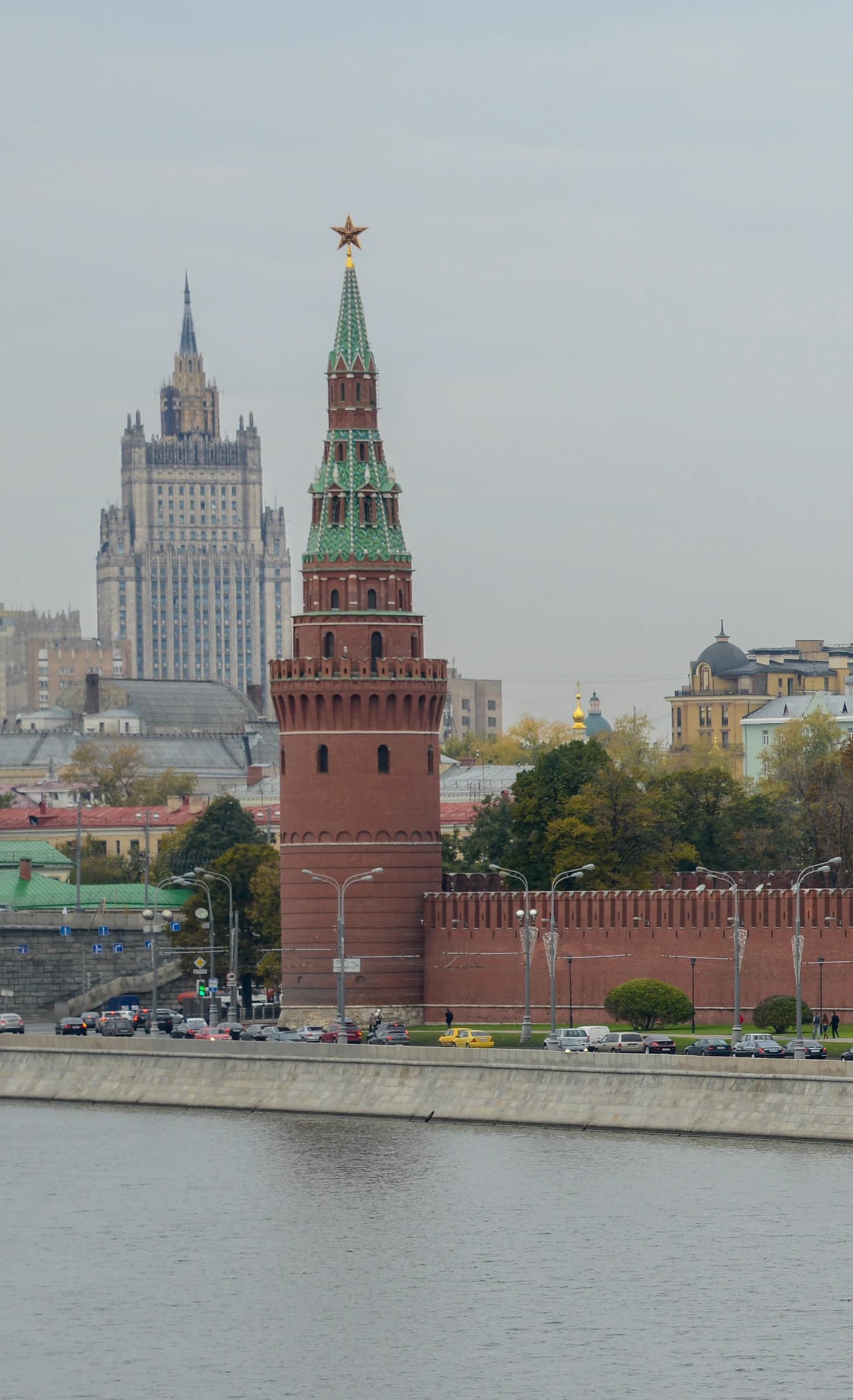
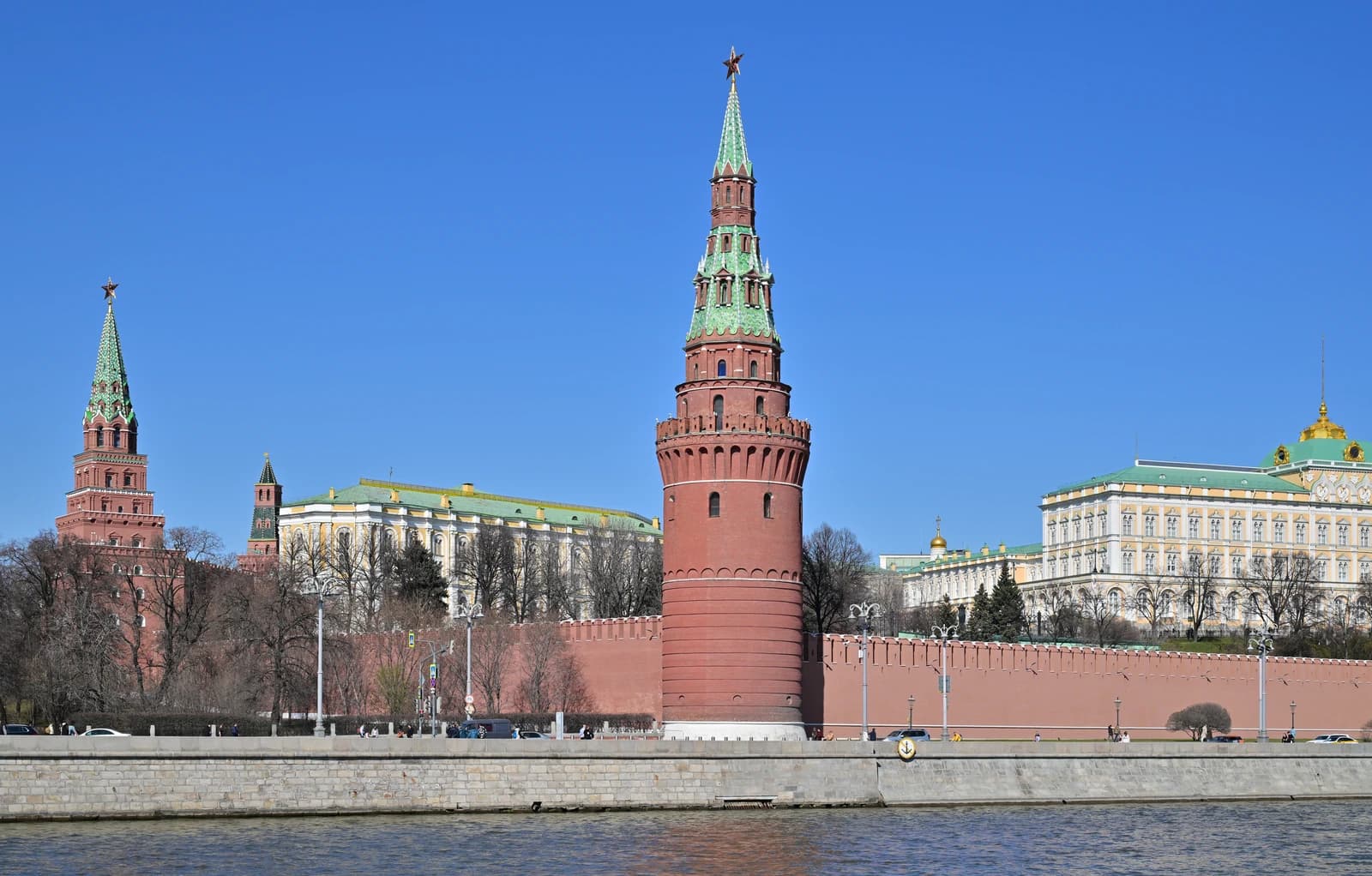
Russia is leaving its ambassador posts in Britain and France unfilled because relations with both countries have effectively broken down, the Kremlin said, underscoring how deeply the Ukraine war has fractured Moscow’s diplomatic network in Europe.
Russia Leaves UK and France Ambassador Posts Open
Geopolitical Risk
Kremlin spokesman Dmitry Peskov said Moscow is not appointing new ambassadors to the United Kingdom and France because there are no relations with those states. Russia’s ambassadors to France and Britain were relieved of their duties by presidential decrees in September.
Sentiment Indicators
The comments matter because ambassadorial posts are not just ceremonial. Leaving them vacant signals that Moscow is not preparing an immediate reset with two of Europe’s biggest powers, both of which remain central to sanctions policy, military support for Ukraine and broader European security coordination.
For investors, the main takeaway is that geopolitical risk around Russia-Europe relations is staying elevated rather than easing. That supports demand for safe-haven assets and keeps pressure on Russia-linked risk premiums, while also reinforcing the chance of prolonged sanctions, trade restrictions and policy uncertainty across European markets.
The backdrop is a fragile diplomatic environment in which Washington has been pushing for a draft proposal on a new European security agreement, but Moscow’s posture toward key European capitals remains sharply limited. The gap between diplomatic language and practical engagement suggests any thaw will be slow and heavily conditional.
That tension is visible in market pricing as well. The iShares MSCI United Kingdom ETF, EWU, has recently traded near 101.27 after sliding from above 103 earlier in the month, while the Euro ETF, FXE, was last at 101.27, well below its 200-day moving average of 105.77. A separate Adalytica global stability gauge shows sentiment at 11, or “Extreme Fear,” even as awareness remains elevated at 82, indicating investors are still highly focused on geopolitical risk.
With no new ambassadors named, the next catalyst is whether Moscow expands or narrows its diplomatic contacts with Europe as talks on security architecture continue. Any sign of renewed channel-building could ease risk premia; continued stalemate would keep Russia-Europe tensions embedded in markets.
| Entity | Gains | Losses |
|---|---|---|
| Kremlin | ▲Control over diplomatic posture | ▼Near-term EU reset |
| UK and France | ▲Clear signal on Moscow’s stance | ▼Diplomatic engagement |
| Safe-haven assets | ▲Risk-premium support | ▼— |
| European risk assets | ▲— | ▼Higher geopolitical uncertainty |