Russia has denied reports that it is evacuating staff from its embassy in Tehran and Russian specialists at Iran’s Bushehr nuclear power plant, a signal that Moscow is not yet treating the escalating Iran-US standoff as an immediate operational threat.
Russia denies evacuation from Tehran embassy, Bushehr
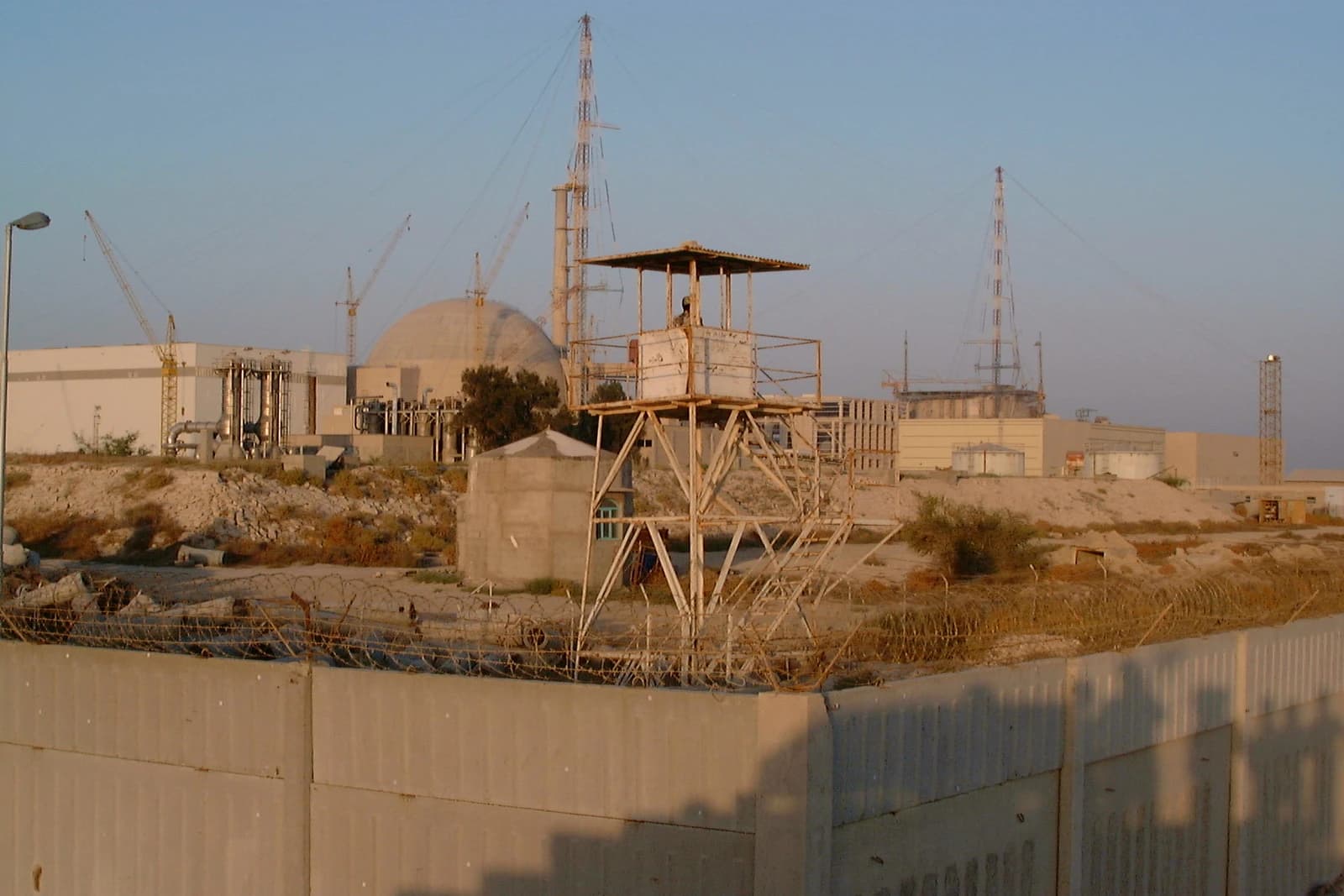
The denial matters because any movement of Russian diplomats or nuclear technicians would have been read as a concrete warning that the security environment in Iran had deteriorated enough to disrupt one of Moscow’s most sensitive foreign commitments. Bushehr is Russia’s flagship nuclear project in Iran and a visible marker of the two countries’ strategic alignment, so speculation about an evacuation can quickly spill into questions over regional stability, energy security and the durability of Moscow-Tehran cooperation.
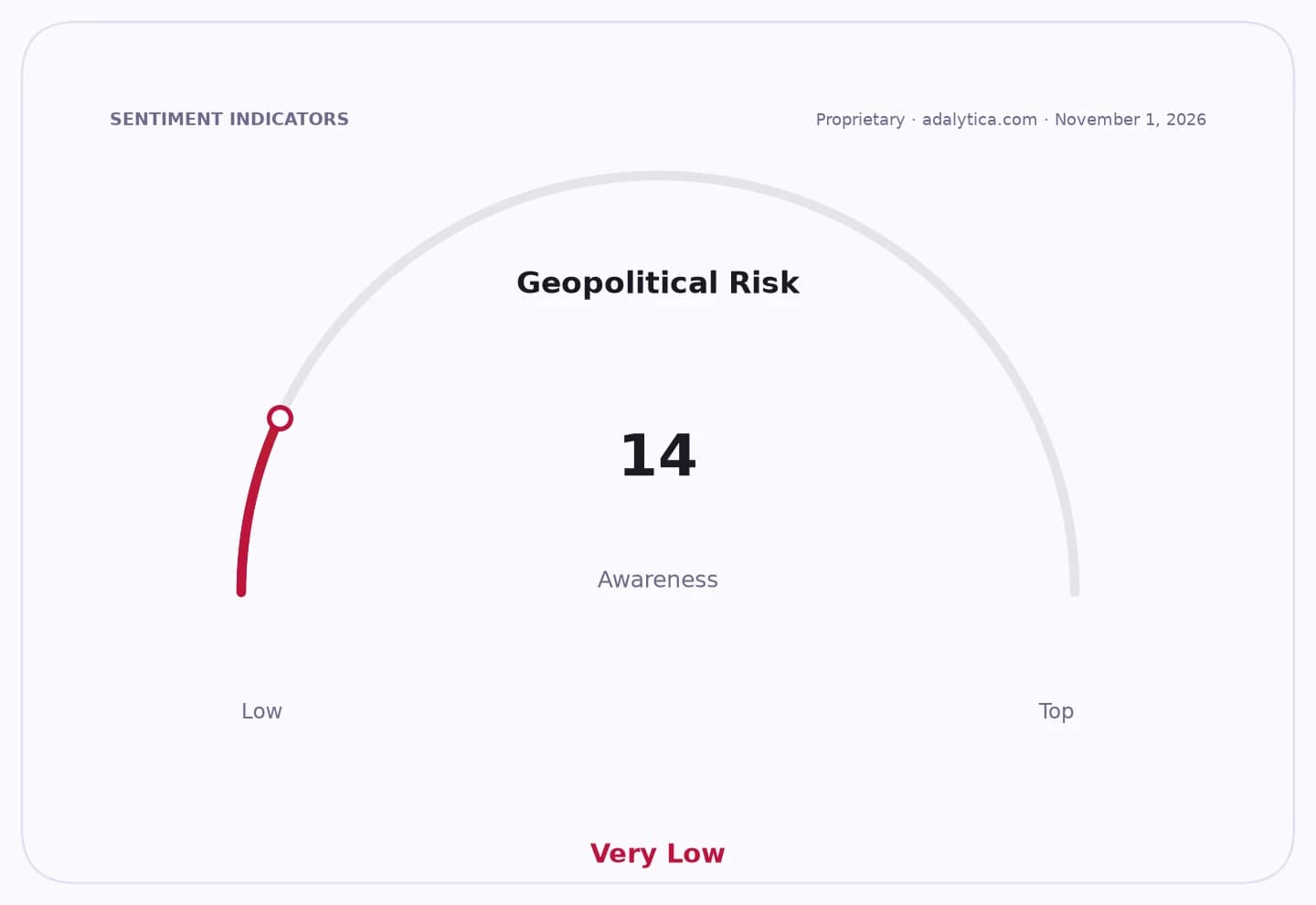
Sentiment Indicators
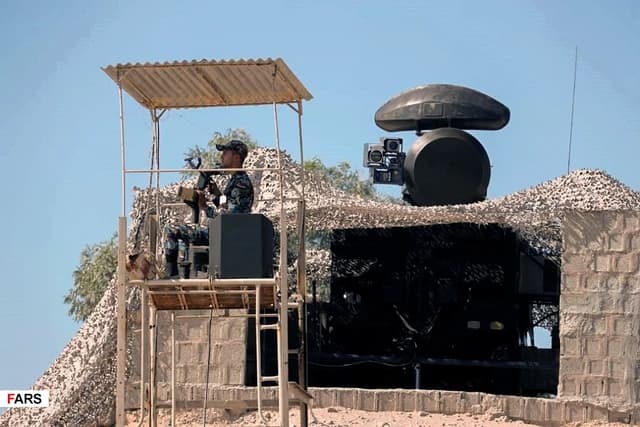
In a statement on its Telegram channel, the Russian diplomatic mission in Iran said both embassy employees and specialists at Bushehr were continuing to work normally and would not be leaving. It called the evacuation reports disinformation, pushing back against speculation that Russia was preparing to scale down its presence as tensions rise.
The episode comes as Russia has publicly positioned itself as a possible interlocutor in the widening Iran-US confrontation. Foreign Minister Sergei Lavrov has said Moscow is ready to help resolve the crisis after meeting a senior Iranian security official, while Tehran has warned of the risk of a catastrophic war. Against that backdrop, the embassy denial suggests Russia wants to preserve the appearance of continuity and control, even as the regional security risk premium rises.
For investors, the significance is less about a single embassy statement than about what it implies for geopolitical risk. Any sign of disruption at Bushehr would have raised concerns about nuclear cooperation, sanctions exposure and broader Middle East instability — factors that can ripple into oil prices, shipping routes and defense-related assets. The absence of an evacuation lowers the immediate alarm, but it does not remove the underlying risk that a rapid escalation could still force Moscow to alter its posture.
The development also fits a broader pattern: Russia and Iran have moved closer diplomatically while both face mounting pressure from the West. That alignment may help them project resilience, but it also ties Moscow more tightly to the fallout from any clash involving Tehran. For now, the message from Russia is that business continues as usual — but in a region where perceptions can move markets faster than facts, that reassurance is likely to be tested.
| Entity | Gains | Losses |
|---|---|---|
| Russia | ▲Signals control and continuity | ▼Bears escalation risk |
| Iran | ▲Retains Russian support | ▼Faces persistent security pressure |
| Bushehr project | ▲Avoids disruption fears | ▼Remains exposed to conflict risk |
| Oil and risk assets | ▲Lower immediate evacuation panic | ▼Still vulnerable to geopolitical shock |