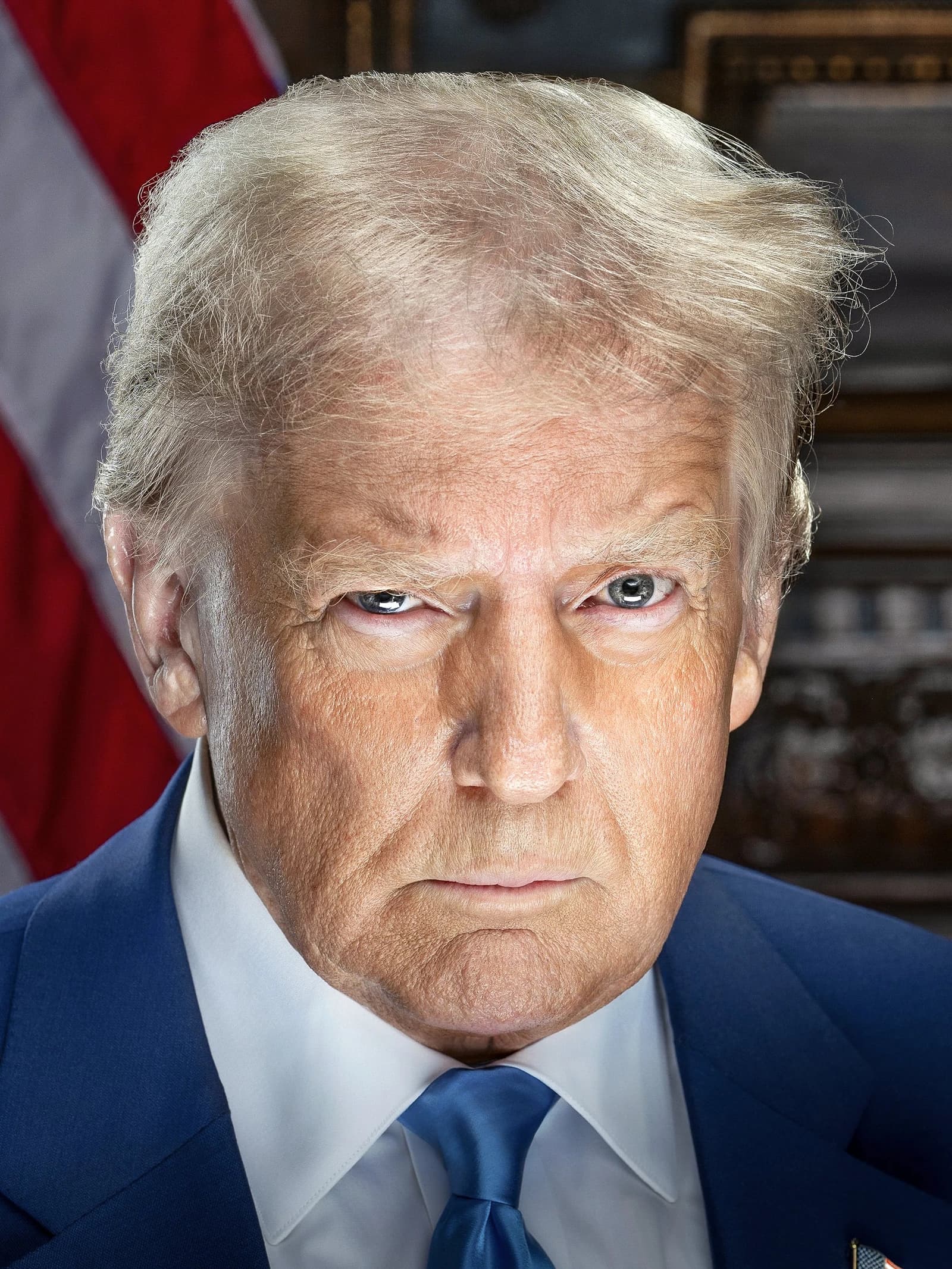
Donald Trump’s decision to again describe Vladimir Putin as a “friend” is sharpening concerns that Washington may soften pressure on Moscow at a moment when the war in Ukraine is still raging and allied unity matters for sanctions, weapons flows and peace talks.
Trump Calls Putin a Friend Again
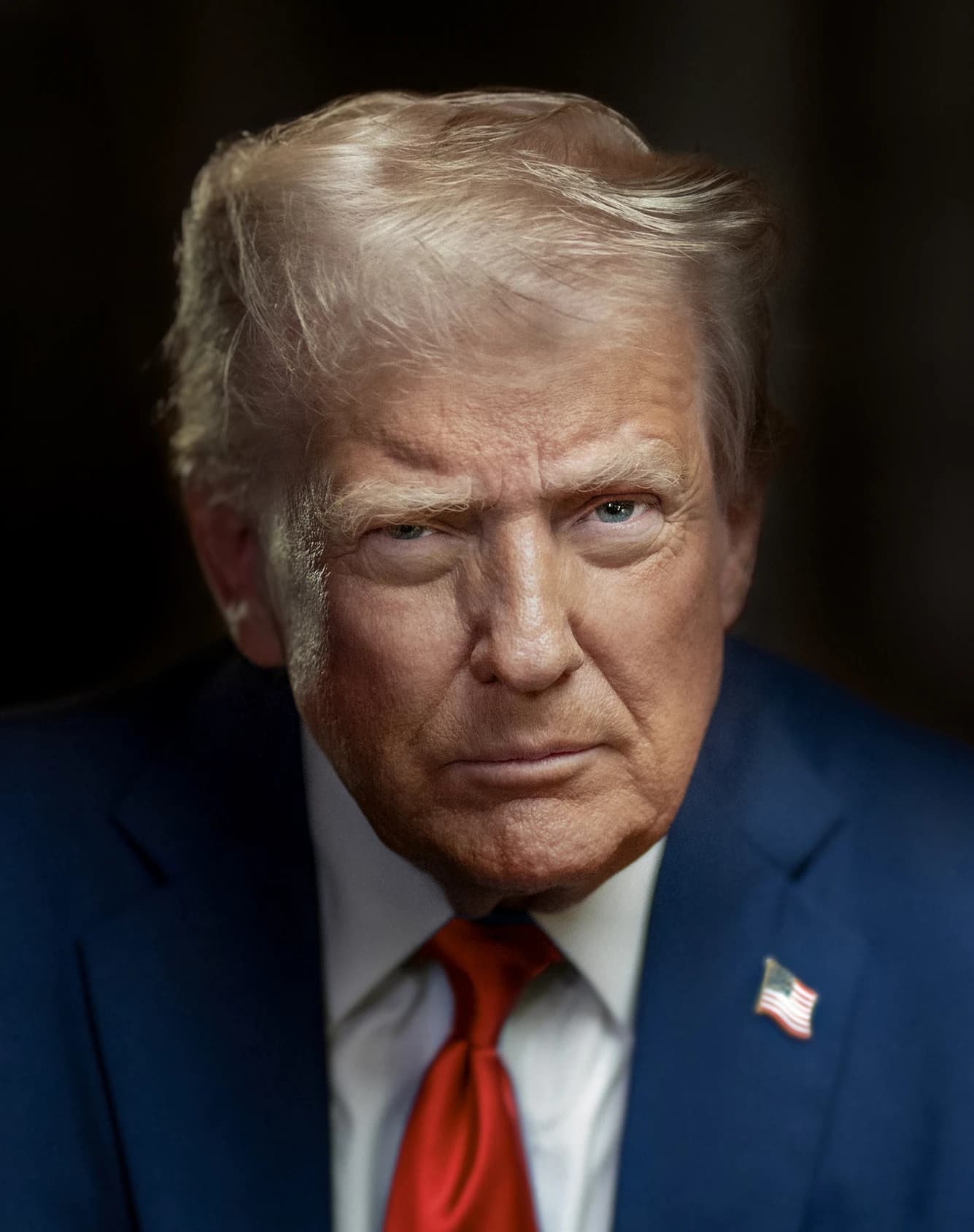
The remarks matter because rhetoric from the White House can quickly turn into policy expectations in markets and capitals alike. A friendlier posture toward the Kremlin raises questions over how hard the U.S. will push on sanctions enforcement, military aid for Kyiv and coordination with European allies, all of which influence the odds of any negotiated settlement and the pricing of geopolitical risk across energy, defense and European assets.
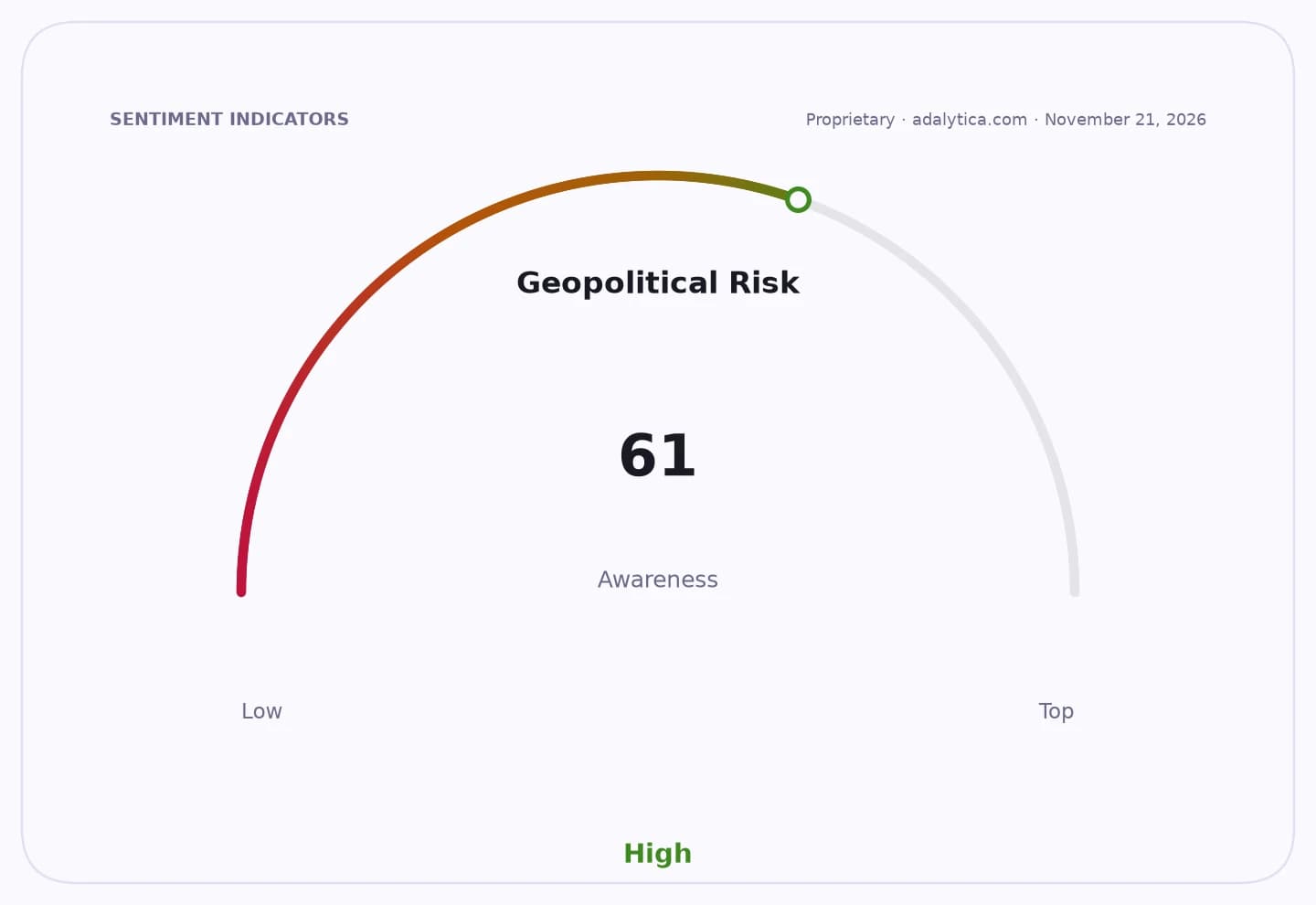
Sentiment Indicators
Geopolitical Risk
Trump doubled down on the language despite criticism at home, posting a photo on Truth Social of himself and Putin shaking hands, captioned “My friend.” He also defended what he called a “fantastic relationship” with the Russian leader at a White House briefing, even as the invasion of Ukraine approaches its fifth year and critics accused him of downplaying a direct threat to U.S. interests and allied security.
The political backlash was immediate. Senate Democratic leader Chuck Schumer said Putin had abducted children, killed civilians and imprisoned Americans unjustly, arguing Trump still regarded him as a friend. Some Republicans also tried to distance themselves from the comments, with Indiana Senator Jim Banks saying China and Russia are not U.S. friends and Florida Senator Rick Scott calling Putin a “thug.”
Geopolitical Risk
For investors, the key issue is not the personal label but the policy signal it may imply. Any perception that the U.S. is less committed to keeping transatlantic pressure on Moscow could weaken the market’s assumption of durable sanctions, prolong war-risk premiums and complicate the outlook for European defense spending and energy security. At the same time, if Trump’s outreach is part of a bid to force talks, it could eventually lower geopolitical risk premia — but only if it produces a credible path to de-escalation.
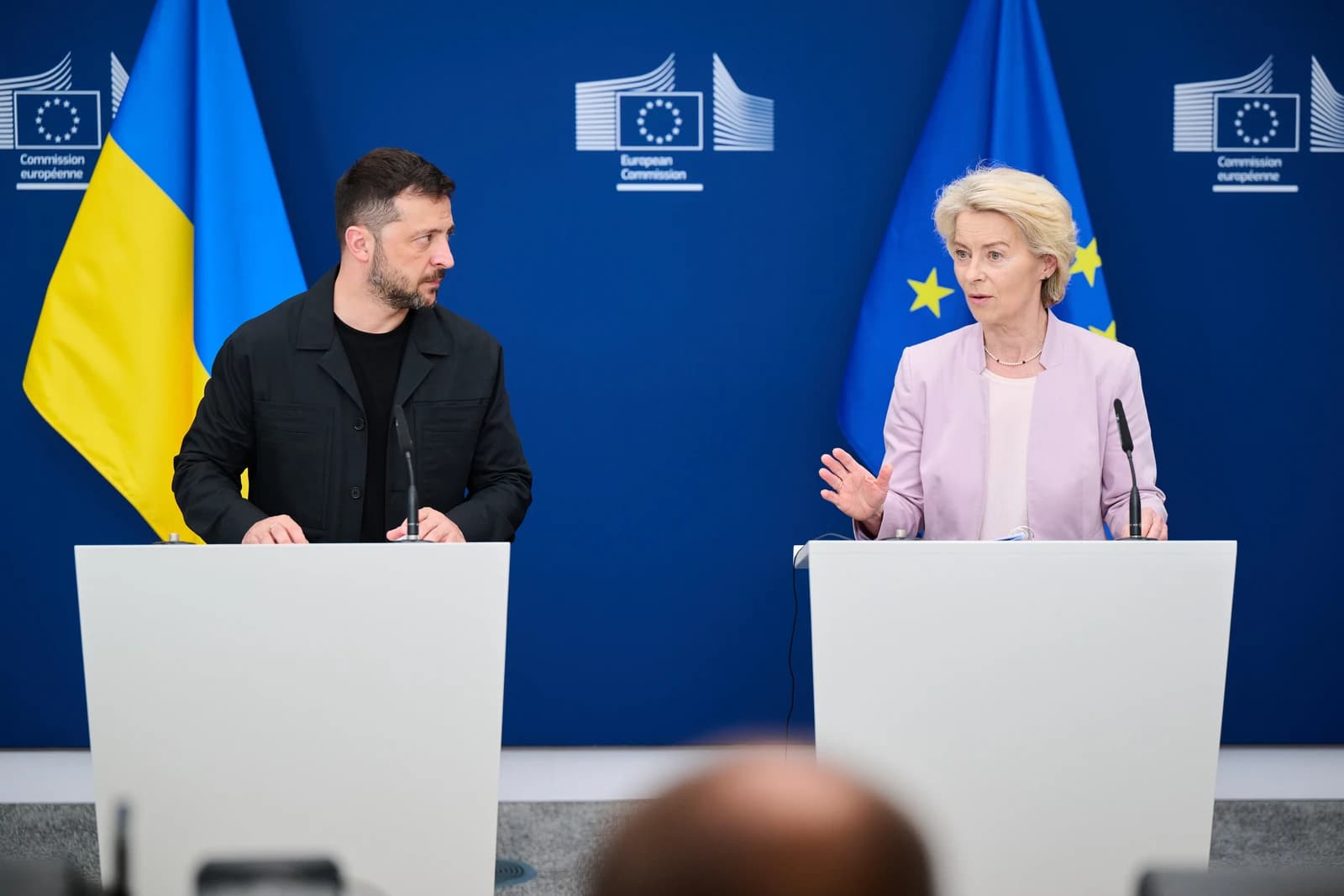
The broader backdrop remains fragile. Kyiv and European governments have been wary of any softening toward Moscow, and the latest comments are likely to reinforce skepticism that a durable peace process can emerge from personal diplomacy alone. For now, the main market takeaway is that Trump’s language toward Putin is no longer just political theater: it is another variable investors must track for clues on sanctions, alliance cohesion and the trajectory of the war.
| Entity | Gains | Losses |
|---|---|---|
| Trump | ▲Diplomatic leverage narrative | ▼Credibility on Russia policy |
| Putin | ▲Softer U.S. tone | ▼Pressure from Western allies |
| Ukraine | ▲Possible deal-opening talks | ▼Risk of reduced support |
| Europe/NATO allies | ▲None | ▼Greater policy uncertainty |