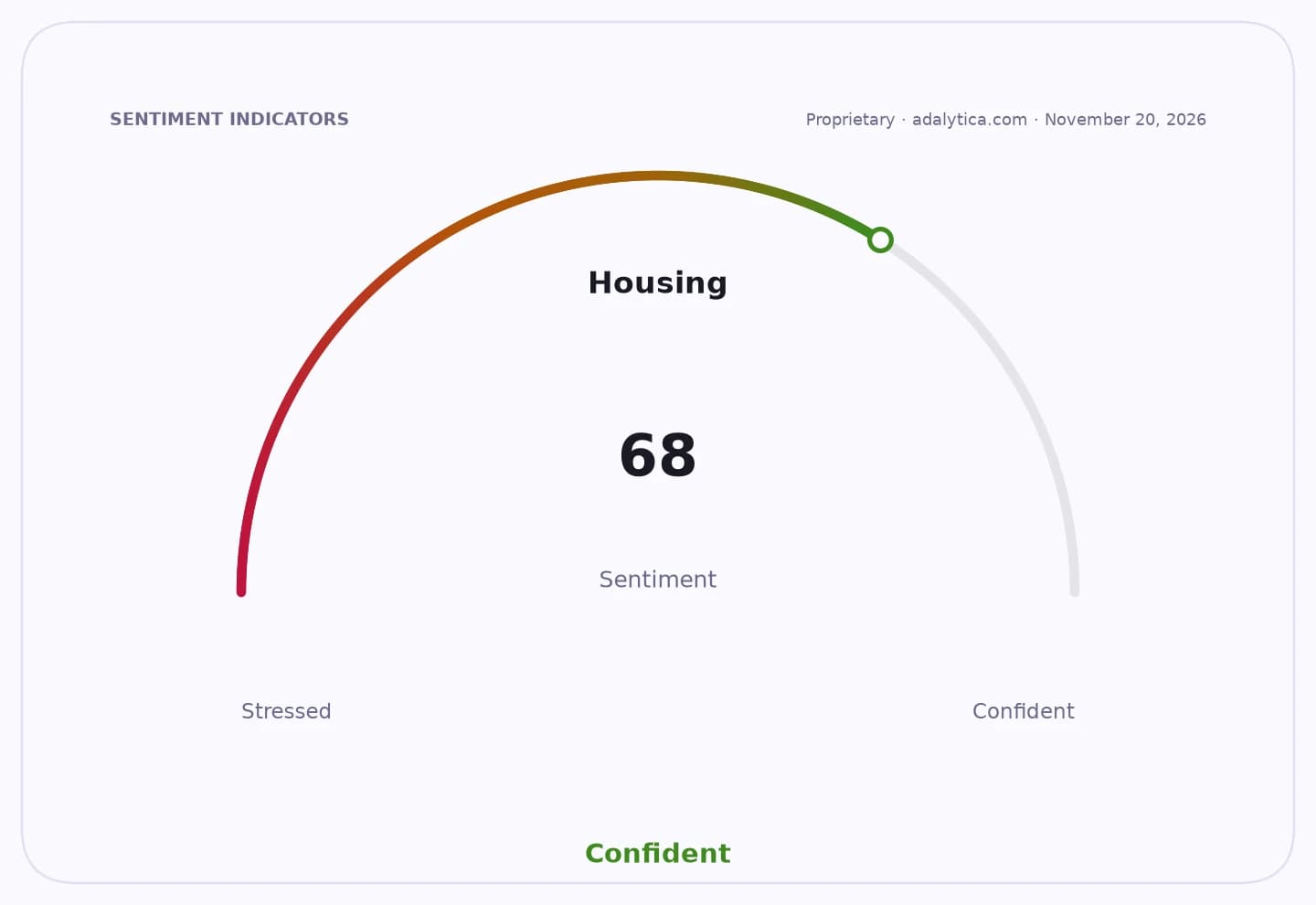
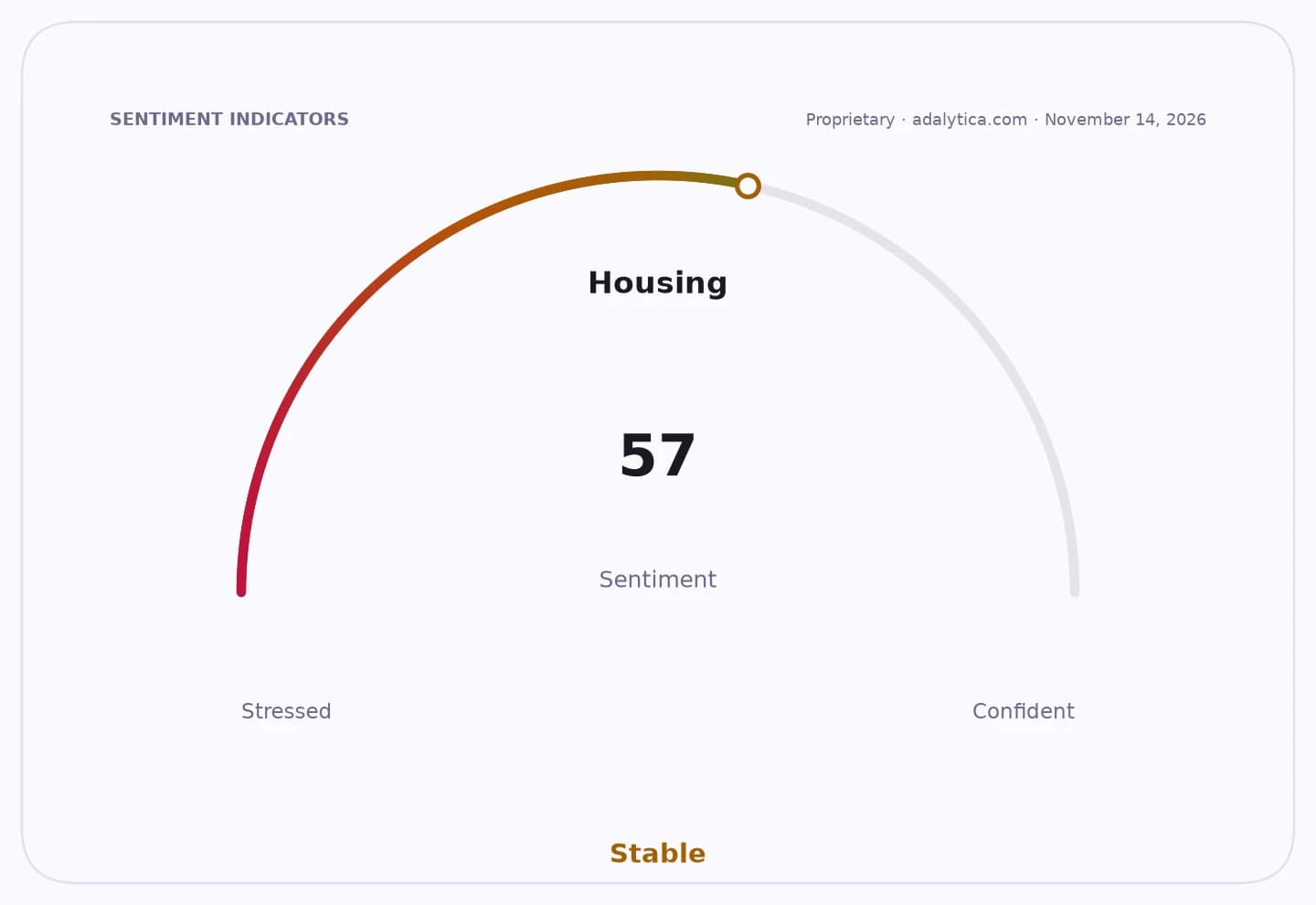
Kyiv’s rental market is tilting in tenants’ favor as the number of apartments offered for rent has jumped 87%, a surge that could push prices down by as much as 20% this winter and reshape housing costs across Ukraine’s capital.
Kyiv rents may fall 20% this winter

That matters because rent is one of the fastest ways inflation and household stress show up in a war economy. A larger pool of listings usually means landlords have less pricing power, especially in a city where demand has been distorted by displacement, uneven employment and repeated waves of population movement. For residents, the shift could provide some relief after a prolonged period of tight supply and rising living costs. For landlords, it points to lower occupancy rates and thinner yields unless they cut asking prices or offer concessions.
The clearest takeaway is that Kyiv is moving from a seller’s market toward a more competitive one. Yuriy Pita, president of the Realtors Association, said the market is already seeing heavy new supply in some districts and that winter prices may fall about 20%. That is a meaningful decline in a market where rents have been a key gauge of local affordability and consumer strain. A cooling capital city rental market also suggests that some households may be returning, relocating or choosing to delay renting at current levels, increasing the number of available units faster than demand can absorb them.
The pressure is not uniform across the country. While Kyiv is seeing a flood of listings, western regions of Ukraine could face rent increases of up to 25%, underscoring how war-related migration continues to split the housing market into winners and losers. The opening of a new center in Kyiv to help residents with documents, payments and housing services also fits that pattern: the market is not simply correcting, it is adjusting to a broader reallocation of people, income and administrative needs.
For investors, the signal is less about a single apartment market than about the direction of Ukrainian consumer conditions and real-estate pricing power. Softer Kyiv rents should ease some household budget pressure and could reduce one source of inflationary stickiness in the capital. But the regional divergence means capital is still chasing scarcity, and the best risk-adjusted opportunities remain with businesses tied to housing administration, relocation, payment services and construction support rather than pure rental landlords.
The market is telling us Kyiv housing has entered a repricing phase. If supply keeps rising into winter, tenants should gain leverage, landlords will need to compete harder, and the more attractive trade may be in the services that profit from churn rather than in assets that depend on tightening supply.
| Entity | Gains | Losses |
|---|---|---|
| Kyiv tenants | ▲Lower rents | ▼— |
| Kyiv landlords | ▲— | ▼Lower pricing power |
| Western Ukraine landlords | ▲Higher demand | ▼Tenants facing pricier housing |
| Housing services providers | ▲More demand for support | ▼Traditional rent collectors |