Gas flows to Transnistria have returned to normal and the Cuciurgan power plant has switched back from coal to natural gas, a welcome sign for a region that nearly spiraled into a fresh energy crisis only weeks ago.
Transnistria gas flows return to normal
That matters because the break in supply was never just a local utility problem. Transnistria’s power system is the backbone of regional heating and electricity, and when fuel deliveries slip, households, schools and industry feel it fast. A stable gas flow lowers the risk of blackouts, reduces the odds of emergency rationing and helps Moldova avoid another round of political and economic fallout from its breakaway territory.
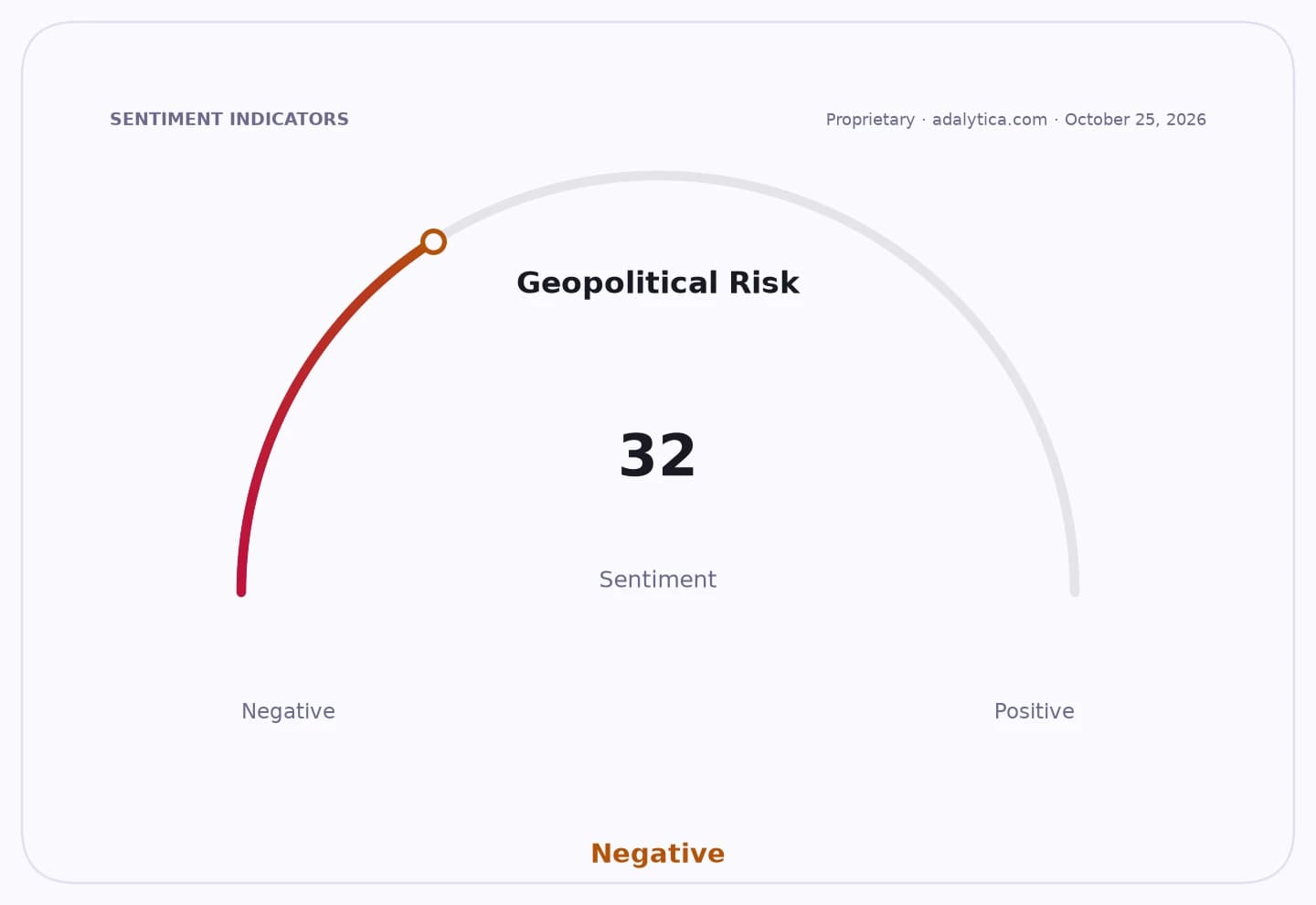
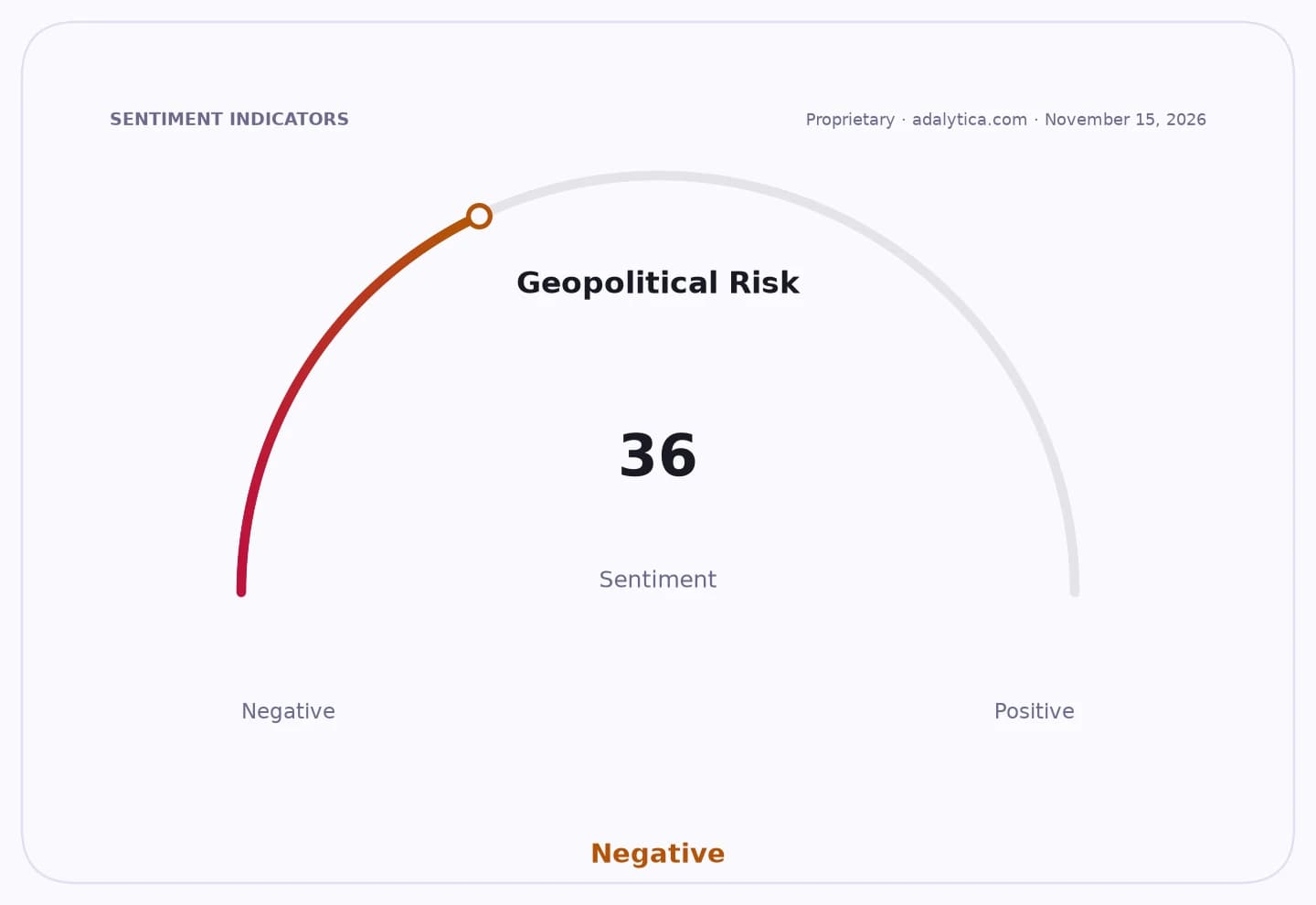
Sentiment Indicators
Officials in Tiraspol said heating systems are now operating normally and that there are no problems in the main pipelines or neighborhood networks. They also pointed to two accidental heating shutoffs on Nov. 20 that were quickly restored without consumers noticing a serious interruption.
The key point for investors and energy watchers is that the region’s resilience still depends on a fragile payment-and-delivery chain. Since January, after Russian gas transit through Ukraine stopped, Transnistria has been getting imported gas from western markets through a scheme financed by Russia and routed via MET Group to Moldova before being passed across the Dniester. Deliveries are made only after advance payment, and that leaves the system vulnerable to delays that can quickly translate into supply cuts.
That is what made the latest switch back to gas so important. The Cuciurgan plant, Transnistria’s main electricity source, had been burning coal for about a week after volumes of gas were cut due to what officials described as technical issues linked to payment. The region has seen this movie before: in January, a disruption to supplies triggered a major energy crisis that shut industrial plants and left some homes without heat and gas.
For long-term investors, the story is less about one plant than about the durability of energy logistics in a politically sensitive part of Europe. Any improvement in supply stability lowers immediate regional risk, but the underlying structure remains brittle and highly dependent on financing discipline, external suppliers and geopolitical cooperation. If payments stay current, the region can muddle through. If they do not, the risk of another shutdown remains real.
That is why this update is worth watching. It does not remove the strategic vulnerability, but it does show how quickly Transnistria’s energy balance can swing from emergency coal burn back to gas-powered normality — and how closely Moldova’s broader economic stability remains tied to that outcome.
| Entity | Gains | Losses |
|---|---|---|
| Transnistrian households and institutions | ▲steadier heat and power | ▼exposure to shutdowns |
| Cuciurgan power plant | ▲cheaper, normal operations | ▼coal dependence |
| Moldova and local industry | ▲lower outage risk | ▼less leverage in a crisis |
| Coal suppliers | ▲weaker demand | ▼lost emergency sales |