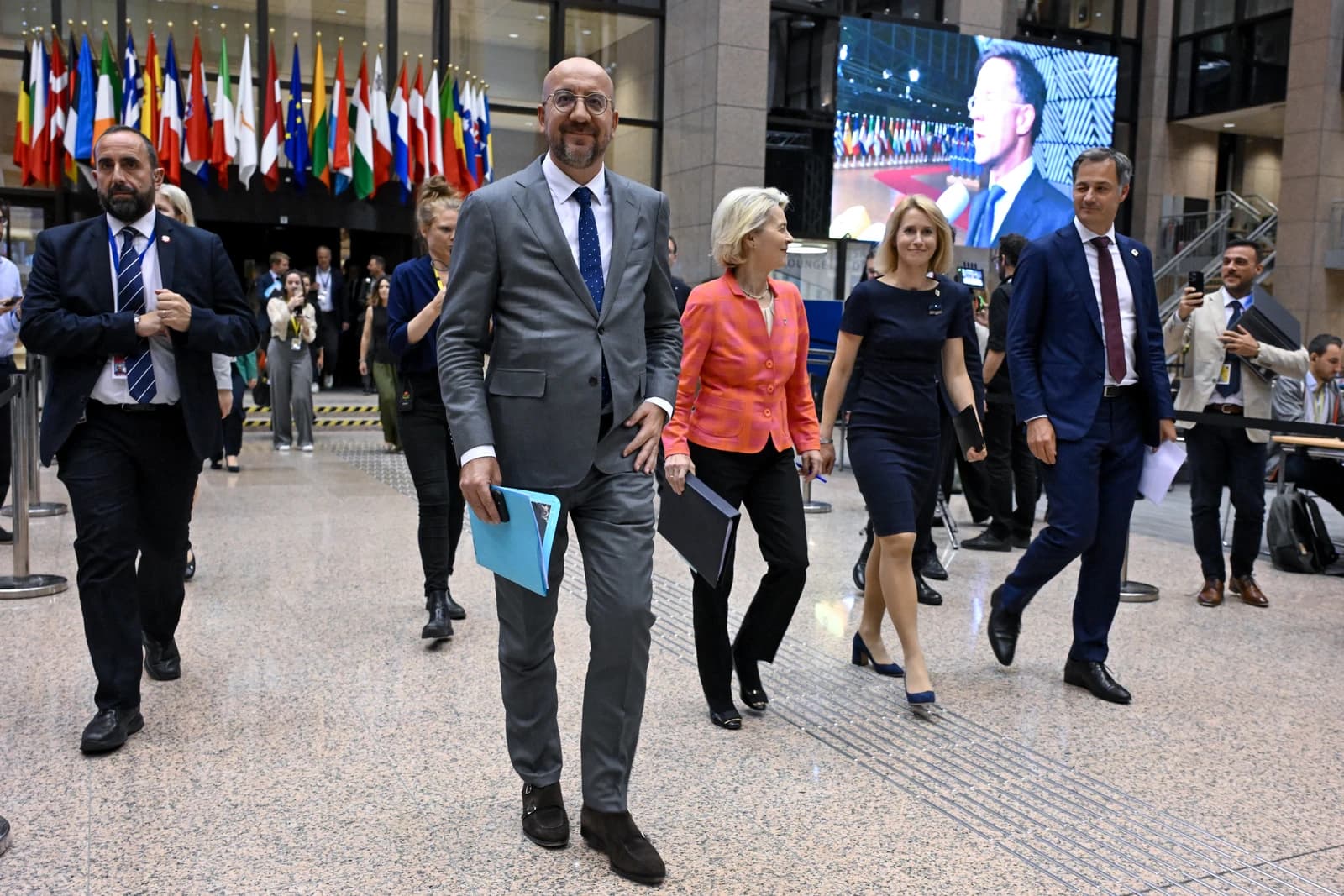
The European Union has spent more on Russian gas since 2022 than it has sent in aid to Ukraine, underscoring how the bloc’s energy dependence continues to finance Moscow even as it tries to support Kyiv and cut off Kremlin revenue.
EU Gas Spending Tops Aid to Ukraine Since 2022
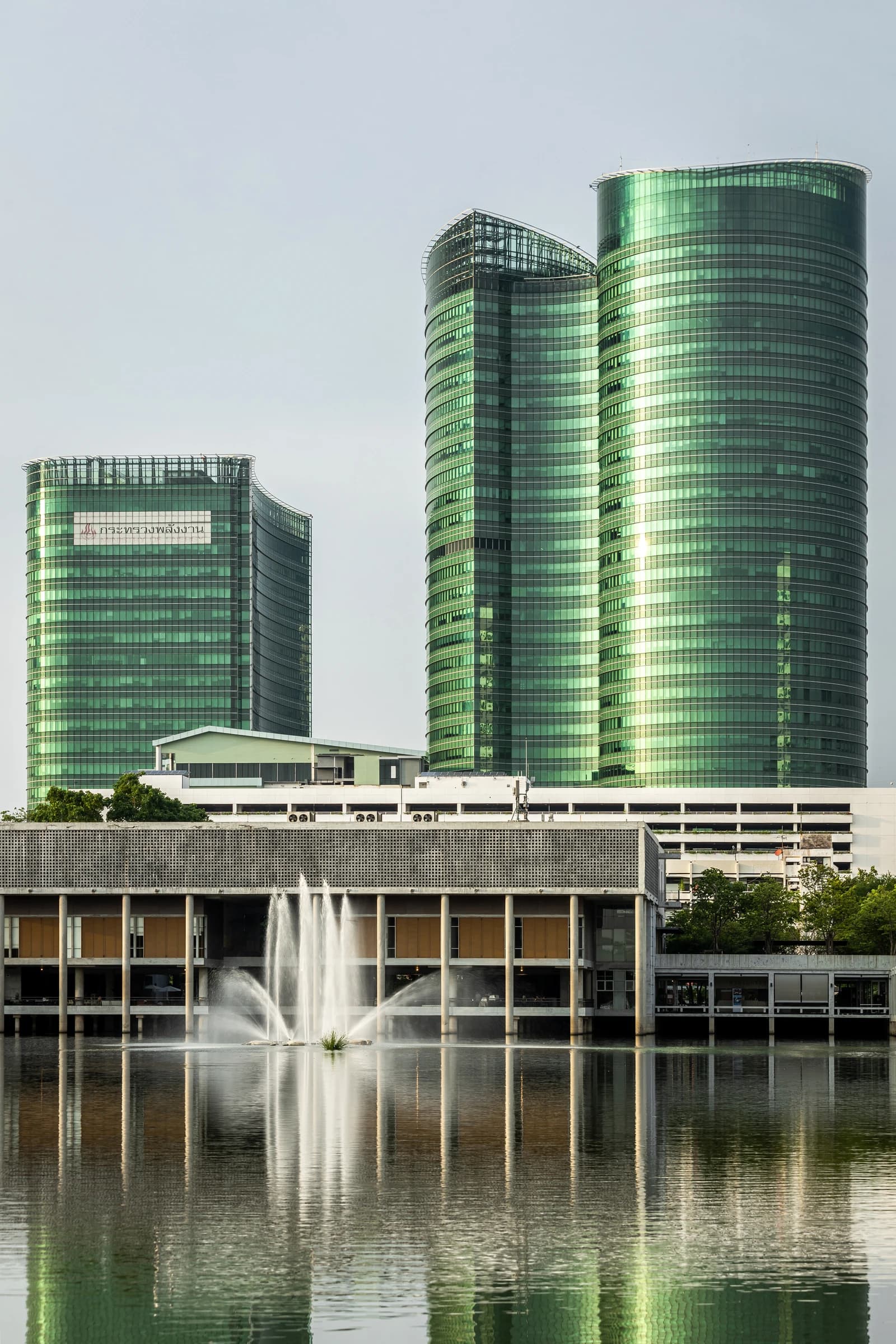
That imbalance matters economically because it shows the limits of Europe’s wartime energy reset. Despite sanctions, diversification and a rush for LNG, Russian gas remains embedded in the continent’s supply chain, leaving European buyers exposed to volatile prices and tying part of the region’s energy bill to the conflict it is trying to contain. For investors, it is a reminder that gas markets remain a geopolitical asset class: every disruption, shipping reroute or policy shift can move prices, utility margins and broader inflation expectations.
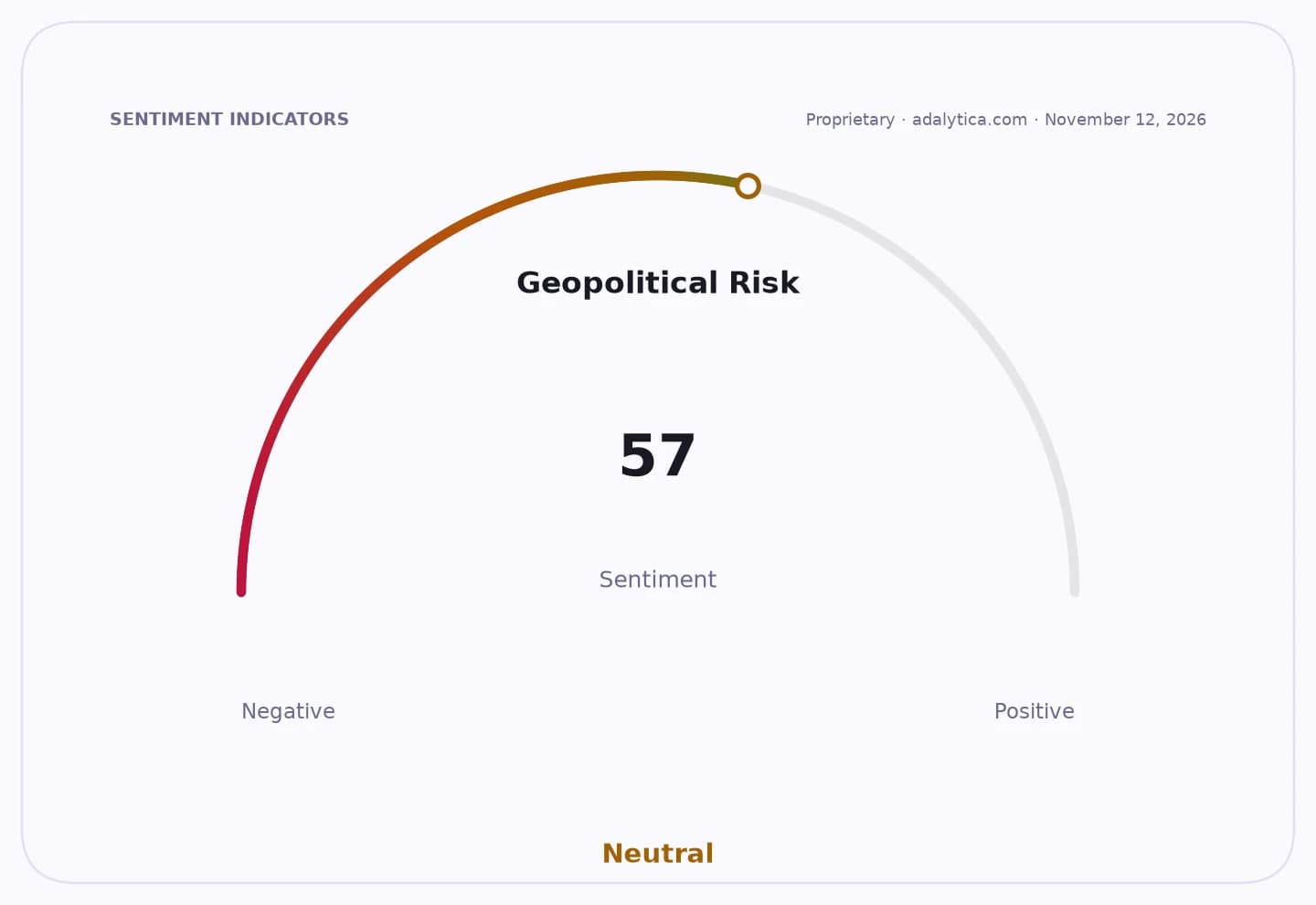
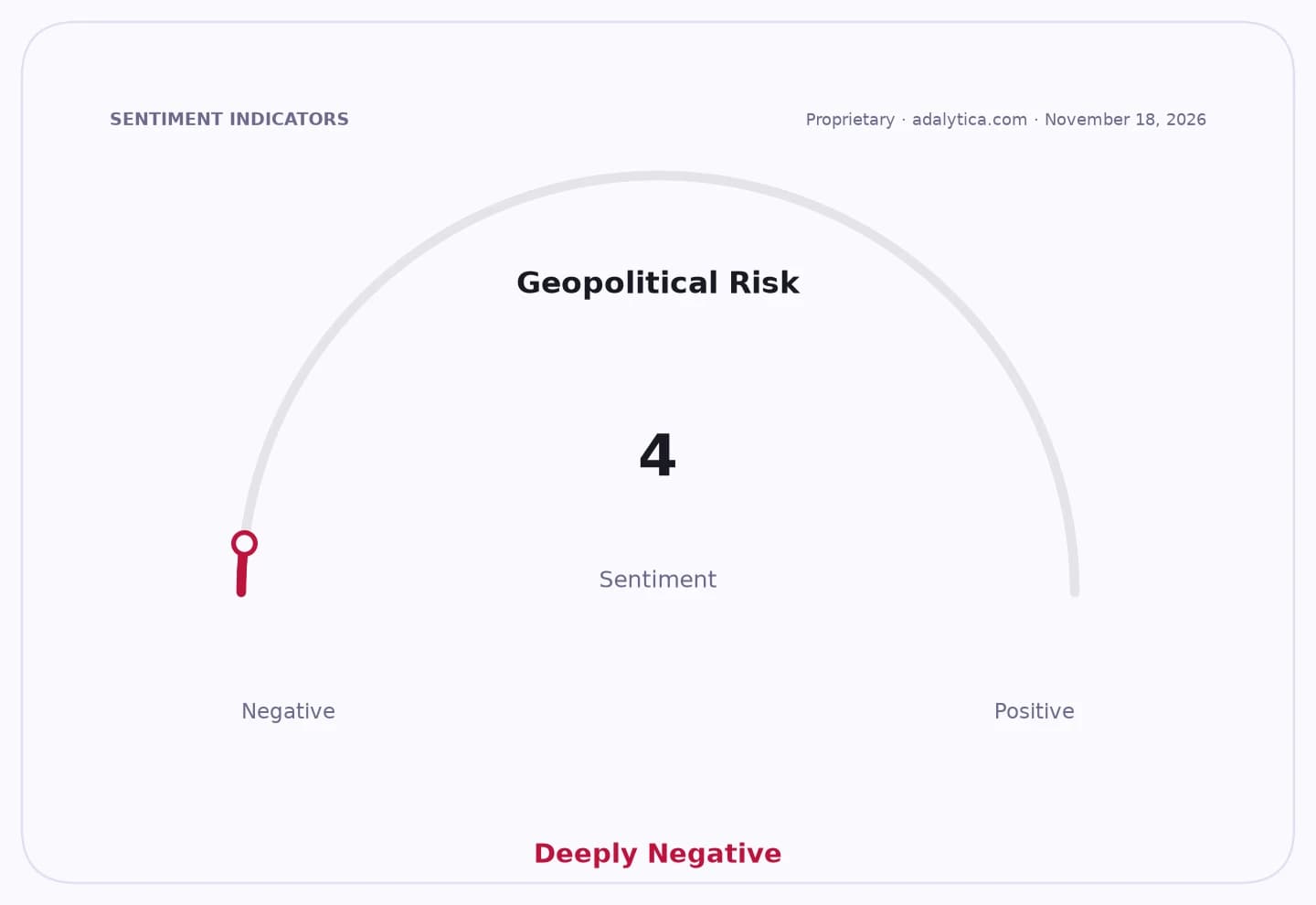
Sentiment Indicators
The latest market backdrop reinforces that point. European natural gas prices have surged as inventories fell below 70 billion cubic meters, while weather and geopolitical tensions have kept supply risk elevated. In that environment, the cost of keeping homes and industry supplied has continued to compete with, and in aggregate exceed, the fiscal transfers made to Ukraine. The result is a policy contradiction that has been hard for Brussels to escape: the bloc wants to de-risk from Russia, but it still needs molecules that are difficult to replace quickly at scale.
For energy investors, the implications are straightforward. Higher and more volatile gas prices tend to favor producers, LNG exporters and infrastructure owners, while pressuring industrial consumers, utilities with weak hedging and European households already absorbing a cost-of-living squeeze. The recent strength in energy equities and the swings in natural gas-linked funds reflect that dynamic. By contrast, a sustained move toward cheaper non-Russian supply would ease inflation and support European growth, but would also cap upside for upstream and gas-exposed assets.
Geopolitical Risk
The broader narrative is that Europe’s energy transition has become inseparable from geopolitics. Until the bloc fully replaces Russian pipeline and cargo flows, its energy spending will continue to shape both the war economy and the investment case for global gas markets.
| Entity | Gains | Losses |
|---|---|---|
| Russian gas suppliers | ▲Export revenue | ▼Sanctions pressure |
| EU consumers/importers | ▲Supply continuity | ▼Higher energy bills |
| Ukraine | ▲Political support | ▼Relative fiscal shortfall |
| LNG producers and energy equities | ▲Higher pricing power | ▼Demand uncertainty |