The European Union has tightened its economic campaign against Russia again, approving an 18th sanctions package that expands restrictions on oil exports, banks and vessels used to bypass earlier measures, a move that raises the cost of funding Moscow’s war effort and keeps pressure on energy markets.
EU approves 18th Russia sanctions package
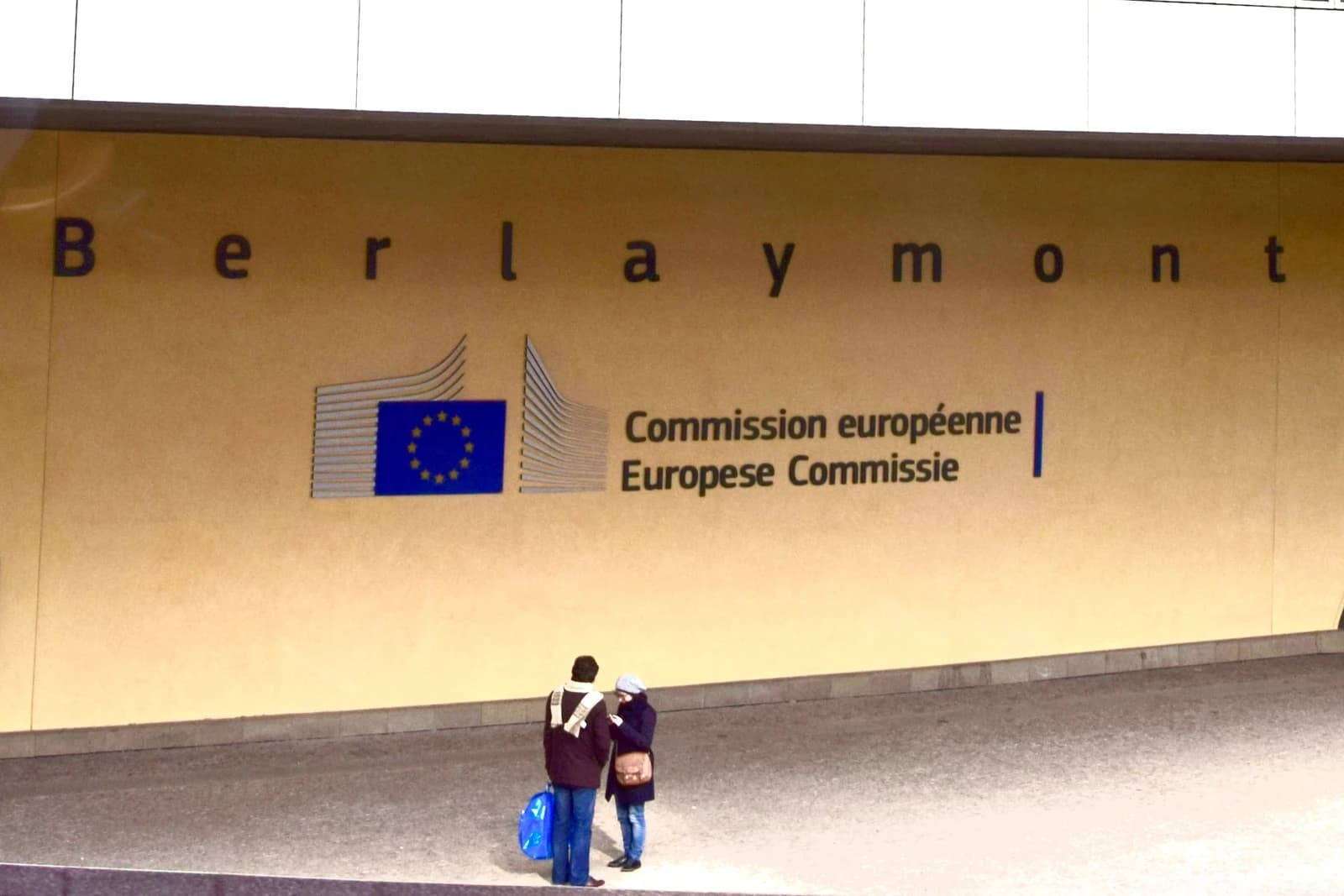
EU foreign ministers backed measures targeting another 105 ships in Russia’s so-called shadow fleet and the facilitators that help move sanctioned crude, while also restricting Russian banks’ access to financing. The package bans the Nord Stream pipelines and lowers the price cap on Russian oil, sharpening the bloc’s effort to squeeze Moscow’s export revenues without triggering a direct supply shock.
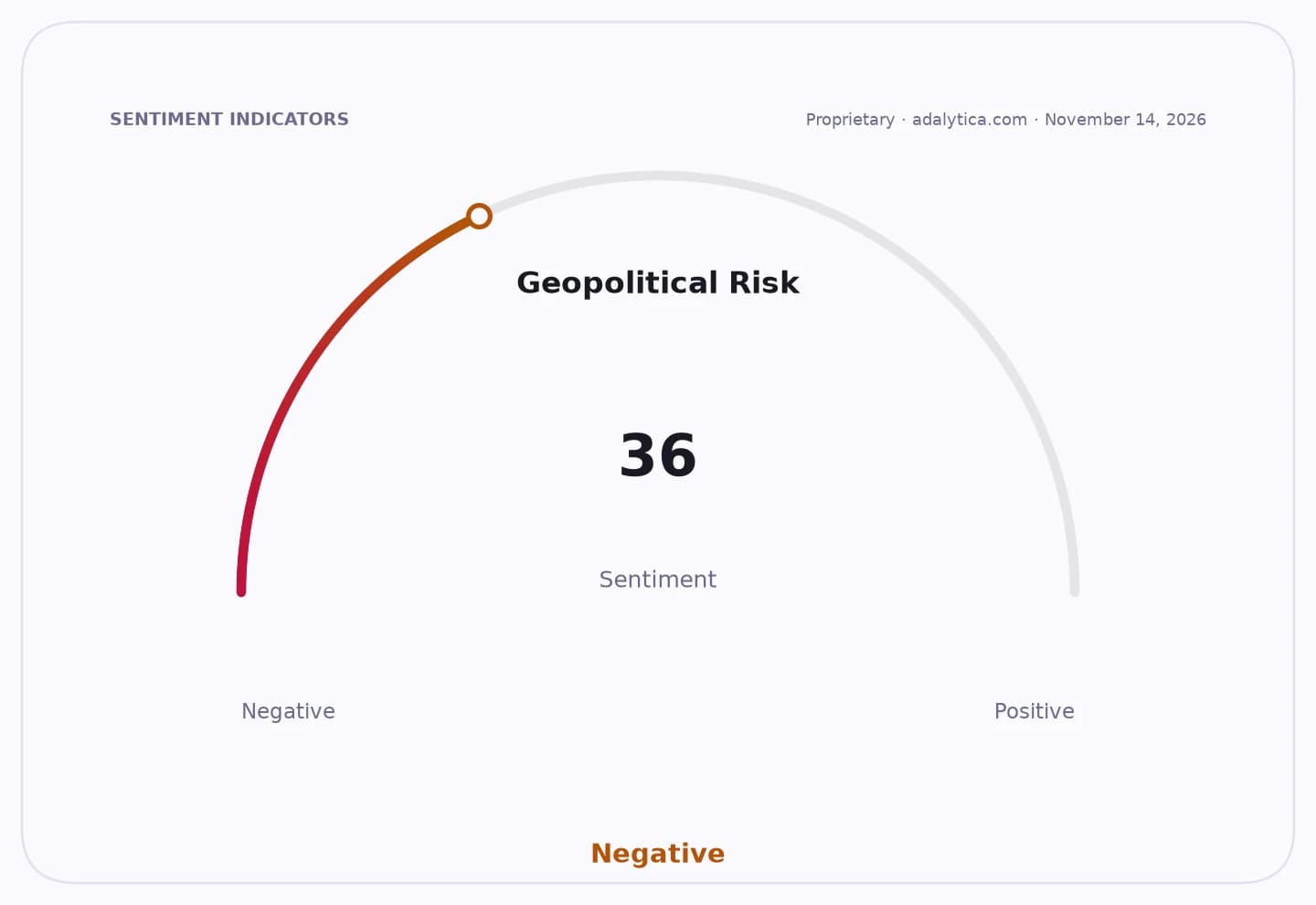
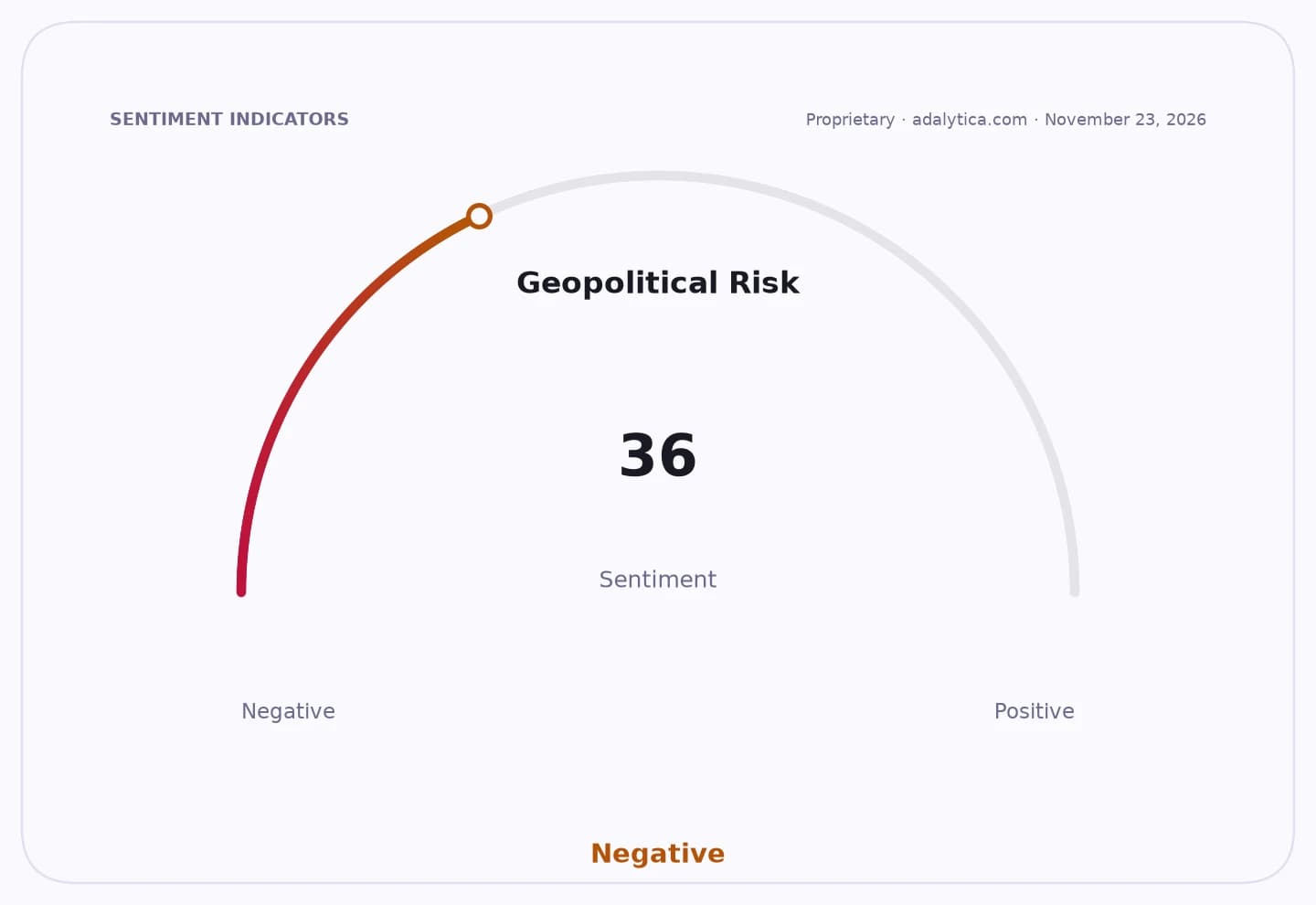
Sentiment Indicators
Geopolitical Risk
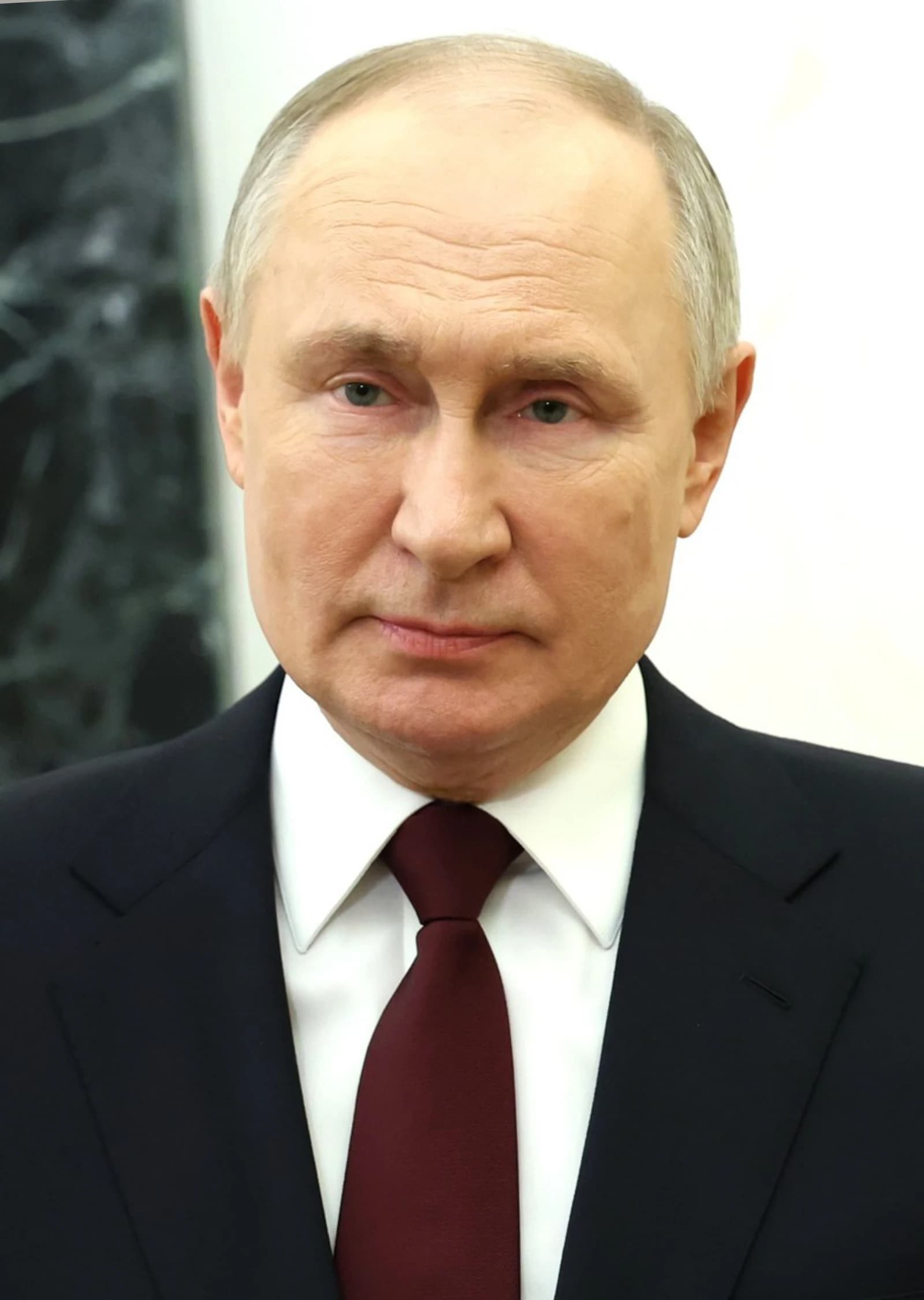
Kaja Kallas, the EU’s foreign policy chief, said the bloc was sanctioning more vessels, tightening pressure on Russian financial institutions and curbing technology flows used in drones. The package also broadens scrutiny of Chinese banks accused of helping Russia evade restrictions, underlining how sanctions are increasingly aimed at third-country enablers as well as Russian entities themselves.
Economically, the new measures matter because Russia’s war financing still leans heavily on energy sales and access to payment channels. By reducing the number of ships available to move discounted crude, constraining financing and narrowing compliance room for buyers, Brussels is trying to erode the margins that keep Russian exports flowing. The Nord Stream ban is largely symbolic in commercial terms, but it reinforces the long-term break in Europe-Russia energy ties and makes any future revival of pipeline trade harder to imagine.
Geopolitical Risk — 30-day sentimentadalytica.com
Explore this data interactively — full history, time series and cross-market comparisons.
Geopolitical Risk
For investors, the package is another reminder that geopolitical risk around oil has not gone away even as markets digest softer growth data and shifting rate expectations. The most immediate impact is on tanker economics, compliance costs and the discount applied to Russian crude, rather than on benchmark supply outright. Energy traders are likely to watch whether enforcement is tight enough to disrupt flows through the shadow fleet, while refiners and shipping firms face a more complex sanctions backdrop.
The move also carries implications beyond Russia. Pressure on Chinese banks could complicate cross-border payments and trade finance, adding another layer of friction to already strained EU-China economic relations. At the same time, the package keeps alive a recurring tension in Europe’s sanctions strategy: the stronger the enforcement, the greater the risk of secondary disruption to energy logistics, shipping insurance and broader commodity flows.
Adalytica’s Global Stability Sentiment index points to “Extreme Fear,” while its oil trade signal remains elevated, reflecting how sanctions risk continues to support a geopolitical premium in crude even when prices pull back from recent highs. USO has dropped sharply from recent levels, but the technical picture is still volatile, with the fund trading well below its 50-day moving average and showing a weak RSI reading, suggesting the market is still digesting the implications of tighter restrictions.
| Entity | Gains | Losses |
|---|---|---|
| EU policymakers | ▲stronger leverage on Moscow | ▼higher enforcement burden |
| Russia’s oil exporters | ▲higher bargaining pressure on buyers | ▼lower revenue, more frictions |
| Shipping and tanker owners outside Russia | ▲compliance-driven demand shifts | ▼sanctions exposure, higher costs |
| Energy buyers and refiners | ▲potential access to more discounted barrels | ▼tighter supply logistics, more uncertainty |