Ukraine’s campaign against Russian shipping has moved far beyond the Black Sea, and that matters because it is turning Moscow’s logistics network — not just its frontline troops — into a target.
Ukraine strikes Russian ships in Libya and Finland

In the space of 24 hours, Ukrainian forces were blamed for striking a Russian warship in Libya and a Russian cargo vessel in the Gulf of Finland, underscoring a new phase of the war in which sea lanes, ports and transport hubs are now as exposed as battlefield positions. For investors, the message is blunt: wartime risk is spreading into the Mediterranean and northern Europe, and any asset tied to Russian supply routes, regional shipping or energy freight is repricing that threat.
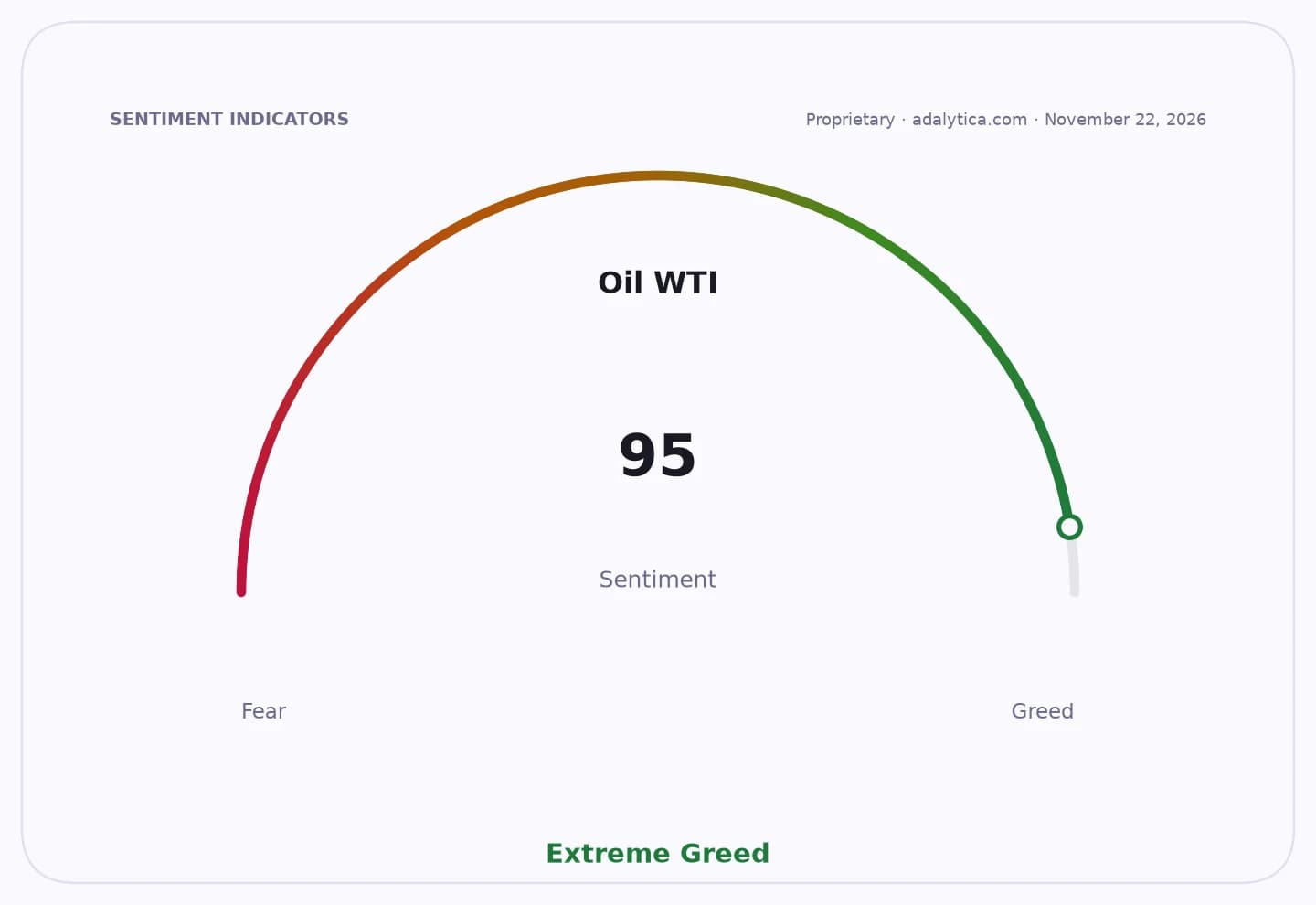
Sentiment Indicators

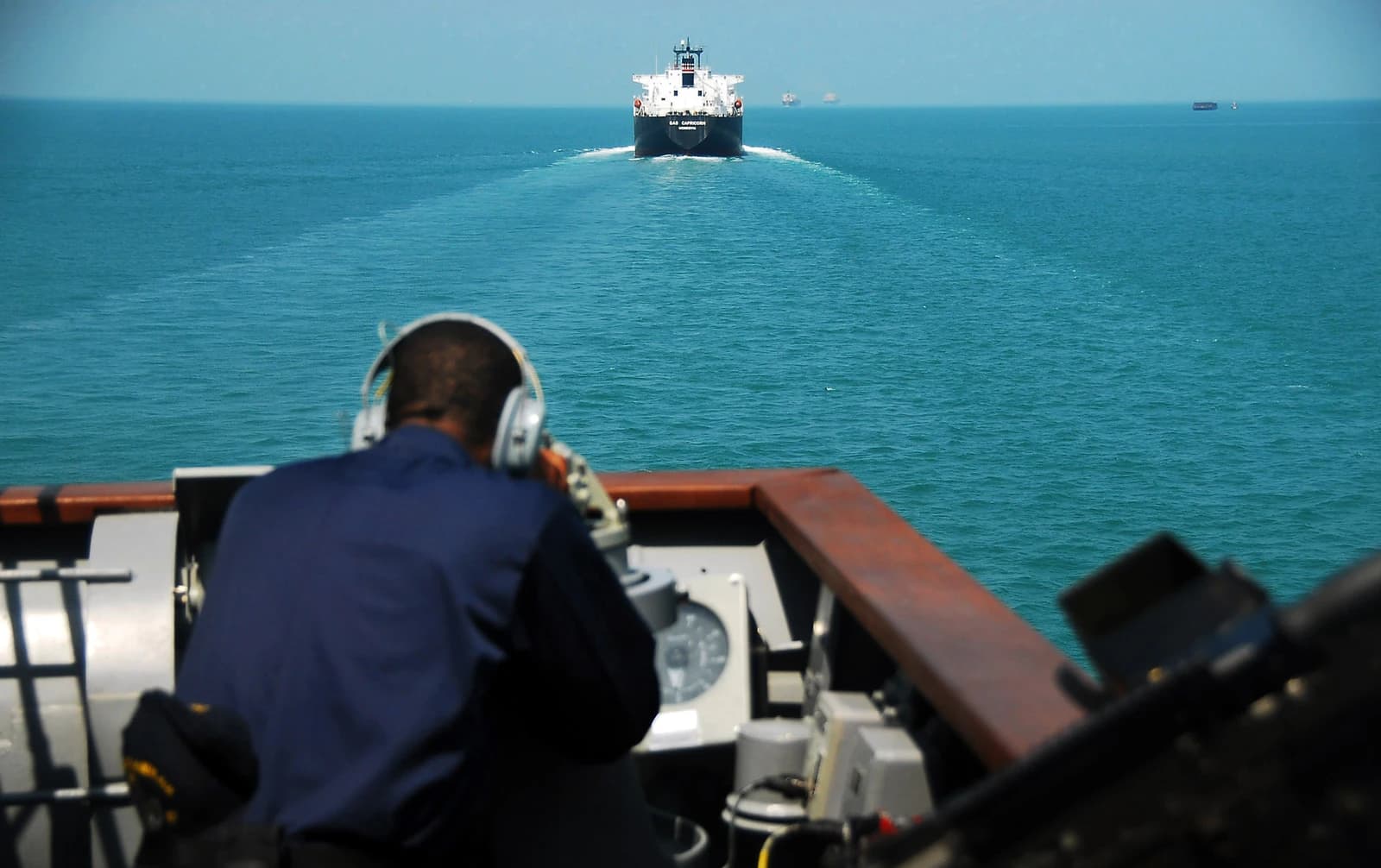
The most significant blow was the reported destruction of the 105-meter Russian missile corvette Merkuriy in Benghazi, a vessel worth about $200 million and only commissioned in 2023. Satellite images from Vantor showed the ship blackened by fire, with its stern and midsection heavily damaged and partly submerged. A second attack on a Russian cargo ship followed later near the Libyan coast, while 3,000 kilometers away the Sparta II, a Russian logistics vessel sanctioned by the U.S. and linked to the Defense Ministry, was hit in the Gulf of Finland and drifted into Finnish waters.
This is not just a tactical embarrassment for Moscow. It is evidence that Russia’s military supply chain is being hunted across multiple theaters, including routes it has relied on to move weapons and equipment outside the Black Sea, where Ukraine has already degraded the Russian fleet. The fact that the Libyan strike came in Benghazi — a hub for Russia-backed forces and a logistics gateway to Africa — raises the stakes further. If Ukraine can disrupt Russian maritime movement from the Baltic to the Mediterranean, then the cost of sustaining Russia’s foreign military footprint rises sharply.
Geopolitical Risk
The market implication is that geopolitical risk is no longer confined to a single sea. It is bleeding into energy, shipping, defense and safe-haven flows. Brent crude has been volatile, but the broader read-through is more important: any sustained escalation around shipping lanes tends to lift freight risk premiums, support tanker economics and keep investors anchored in hard assets. That is exactly the kind of environment that favors defense contractors, oil-linked equities and selective maritime names while punishing exposed logistics chains.
You can already see the split in market behavior. The U.S. Oil Fund has been trading near technically stretched levels, and while momentum has cooled, the geopolitical bid remains intact. Gold, meanwhile, continues to attract fear-driven demand even after a sharp pullback, reflecting persistent demand for hedge assets whenever conflict widens. Adalytica’s Global Stability Sentiment is at 11, or “Extreme Fear,” a reading that fits a market where traders are still paying up for protection even as headline risk jumps.
The deeper investment thesis is that the war is increasingly about infrastructure — pipelines, ports, convoys, shipping routes and the industrial supply chain that keeps them moving. That is bullish for U.S. and allied defense primes, which have spent the year telling investors that geopolitical instability is sustaining demand. It is also constructive for companies tied to maritime surveillance, satellite intelligence, drone countermeasures and military logistics, because the modern battlefield now includes every vessel on the map.
| Entity | Gains | Losses |
|---|---|---|
| U.S. defense contractors | ▲higher global demand | ▼none directly |
| Energy producers and tankers | ▲risk premium on freight and crude | ▼consumers and importers |
| Gold and other safe havens | ▲fear-driven inflows | ▼risk assets |
| Russian military logistics | ▲none | ▼ships, supply lines, reach |