Moldova is running short of heating coal just as winter demand rises, exposing how the war in Ukraine and Black Sea transport risks are still reaching deep into a small import-dependent economy.
Moldova coal imports fall as winter demand rises
The shortage matters because coal remains a backup heating fuel for households and small businesses outside Moldova’s main gas and power networks, and the gap is widening at the exact moment consumers are trying to stock up for the cold season. Traders say some depots near Chișinău have not received any coal since June, while buyers are calling more frequently as temperatures fall.
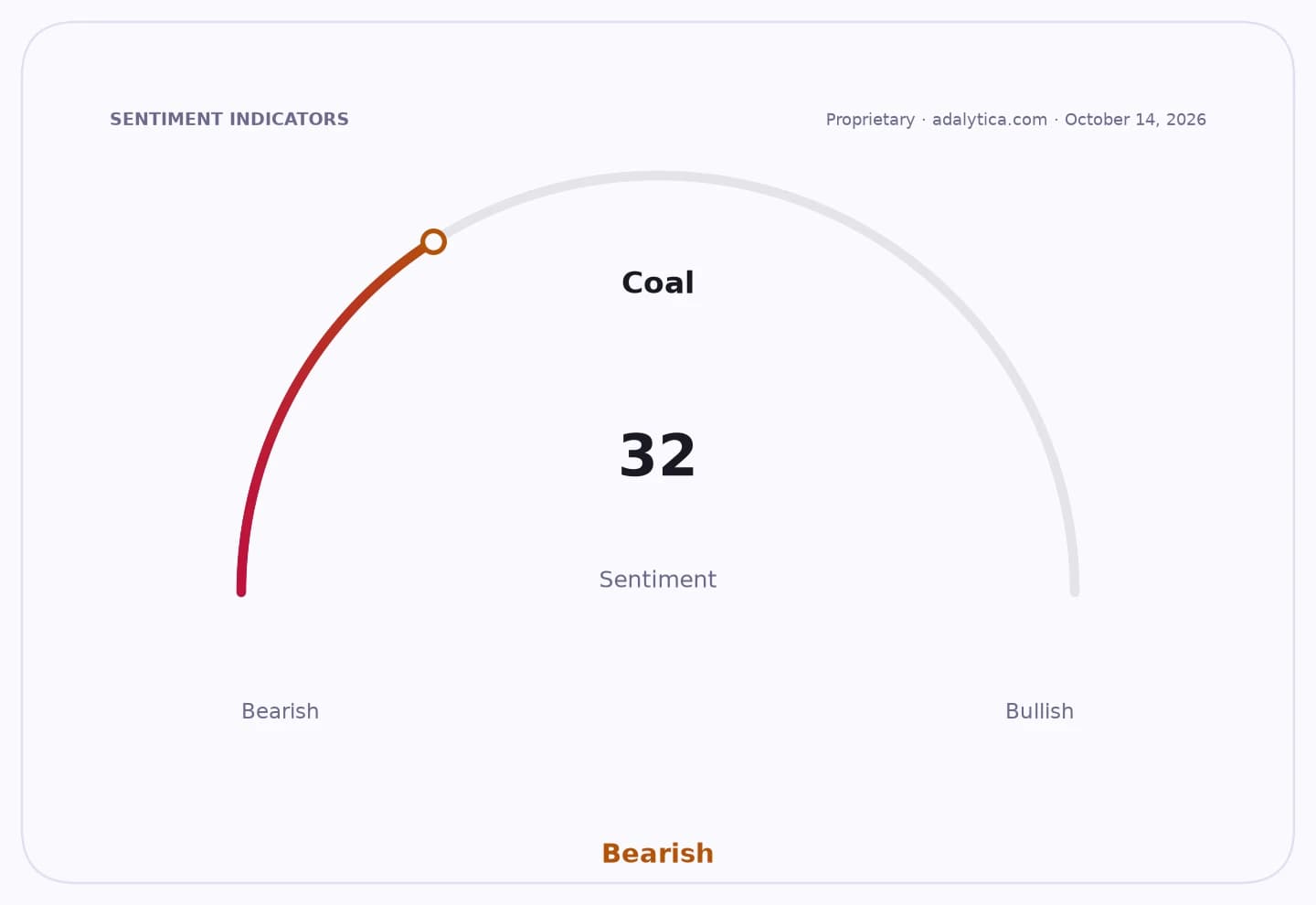
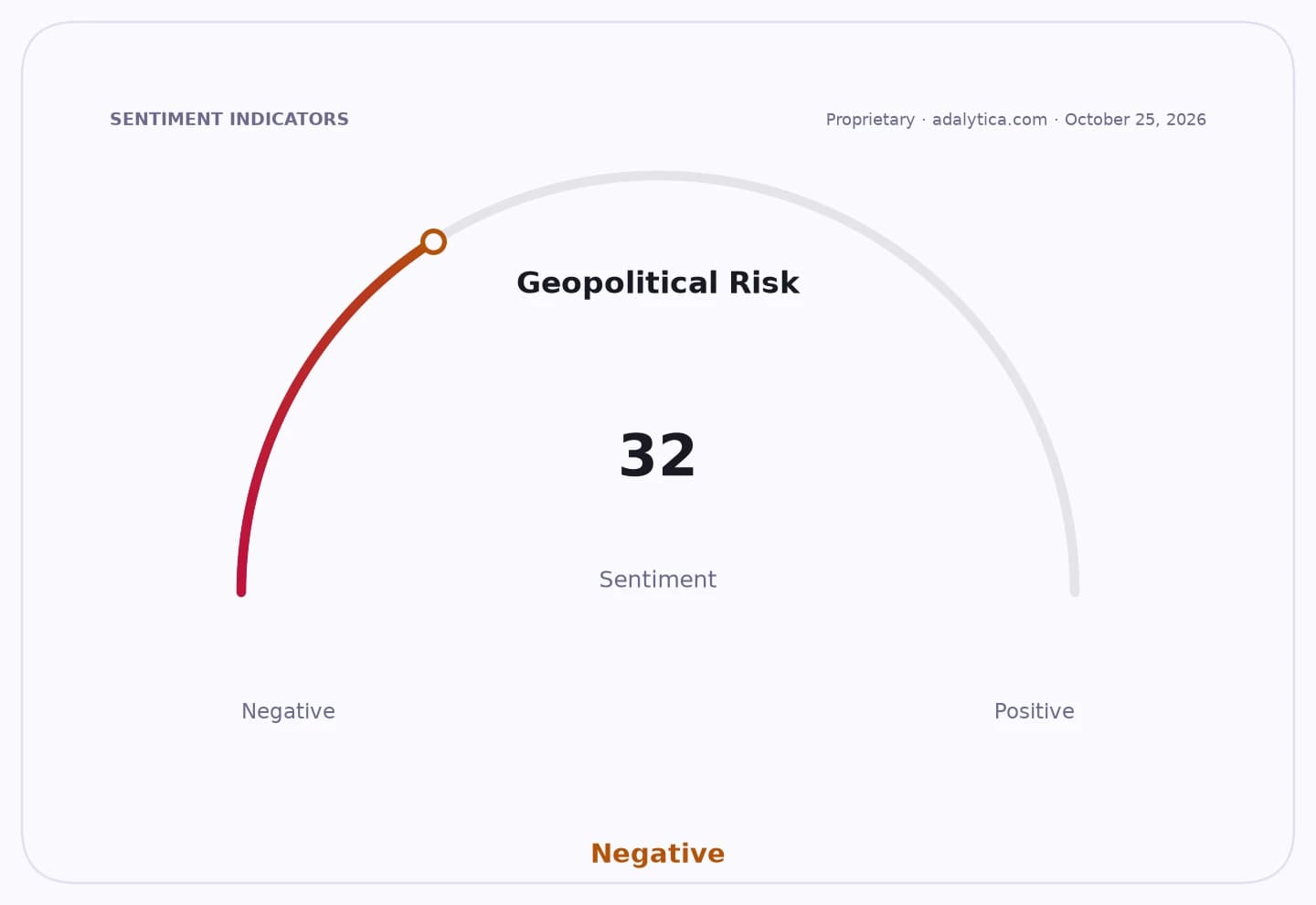
Sentiment IndicatorsⓘProprietary · adalytica.com · October 25, 2026
This is a snapshot — live sentiment, awareness and momentum for 130+ markets update continuously in the dashboard.Open AlphaPulse
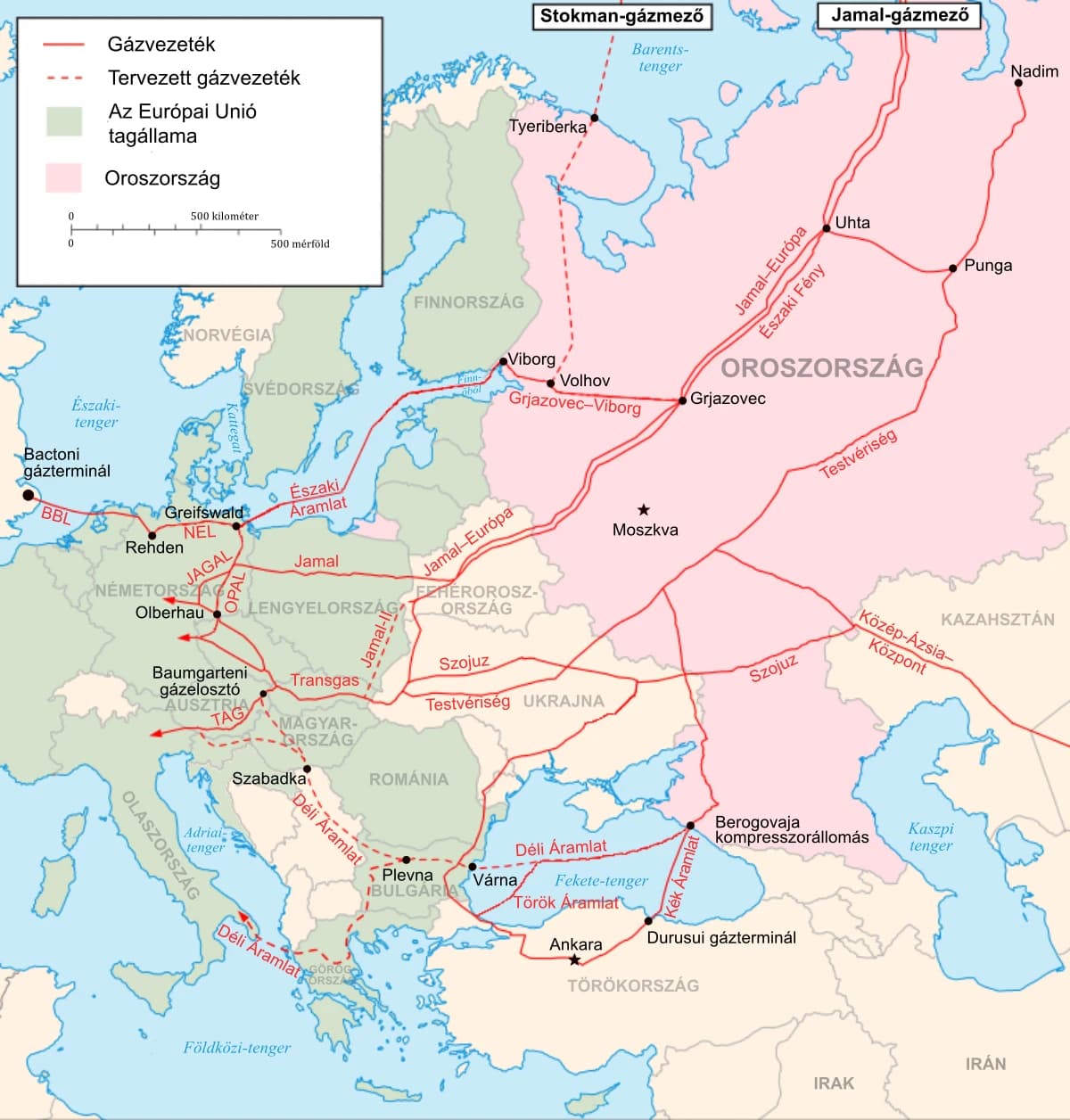
Importers are scrambling to replace lost supply from Kyrgyzstan with alternative sources in Australia and Turkey, with one shipment from Australia already routed through Romania’s Constanța port. That rerouting highlights the added cost and logistical friction now baked into regional commodity trade. It also shows how a landlocked or transit-dependent market can be forced to source farther afield when Black Sea shipping lanes and Russian transit routes become unreliable.
Customs data underline the severity of the disruption. Moldova imported about 6,400 tons of coal in July-September, with monthly volumes collapsing from 4,700 tons in July to 1,500 tons in August and just 200 tons in September. That means September imports were more than 23 times lower than July’s level. For the year to date, imports topped 76,000 tons, below the roughly 94,000 tons recorded a year earlier, suggesting the squeeze has been building rather than appearing suddenly.
For consumers, the immediate consequence is higher fuel insecurity and a narrower choice of substitutes. Some sellers are steering buyers toward briquettes or firewood, while others say Romanian coal could be available but burns differently and for a shorter time, reducing its appeal and potentially raising household heating costs over a full winter. For traders, the problem is not just inventory loss but working-capital pressure, as stocks were drawn down through August and September with little prospect of near-term replenishment.
The broader economic risk is that a fuel shortage in a small market can quickly become a household affordability issue and a logistics problem at the start of the heating season. If alternative supplies arrive late or in smaller volumes than expected, Moldova could see further price pressure in heating fuels and a shift in demand toward lower-quality substitutes. If the new supply routes stabilize, the shortage may ease — but the episode reinforces how vulnerable regional energy markets remain to Black Sea disruptions and geopolitical spillovers.
| Entity | Gains | Losses |
|---|---|---|
| Moldovan households | ▲Some shift to briquettes/firewood | ▼Higher heating insecurity |
| Importers/traders | ▲Potential new supply routes | ▼Empty inventories, higher logistics costs |
| Alternative suppliers | ▲Access to new buyers | ▼Longer transport chains |
| Consumers reliant on coal | ▲Little | ▼Scarcity and price pressure |