Equatorial Guinea’s ruling PDGE has sent a high-level delegation to China to reset and expand its political relationship with the Chinese Communist Party, a move that underscores how small resource-dependent states are still leaning on Beijing for diplomatic backing, party training and future investment links.
Equatorial Guinea PDGE Sends Delegation to China

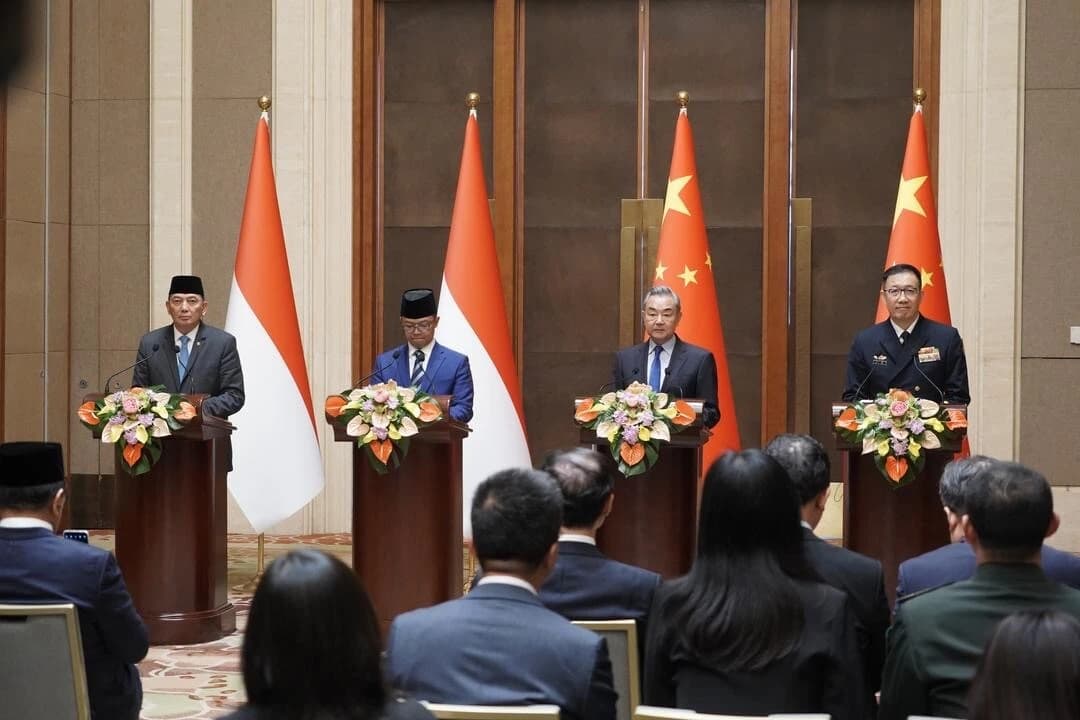
The visit comes as the two parties mark 35 years of formal ties, with PDGE first deputy secretary-general Armando Ela Nsue Mangue leading a 10-day mission to Beijing. The delegation was received by Equatorial Guinea’s ambassador, embassy staff and a senior official from the PCC Central Committee responsible for Central and West Africa, suggesting the talks are being handled at a politically significant level rather than as a routine party exchange.
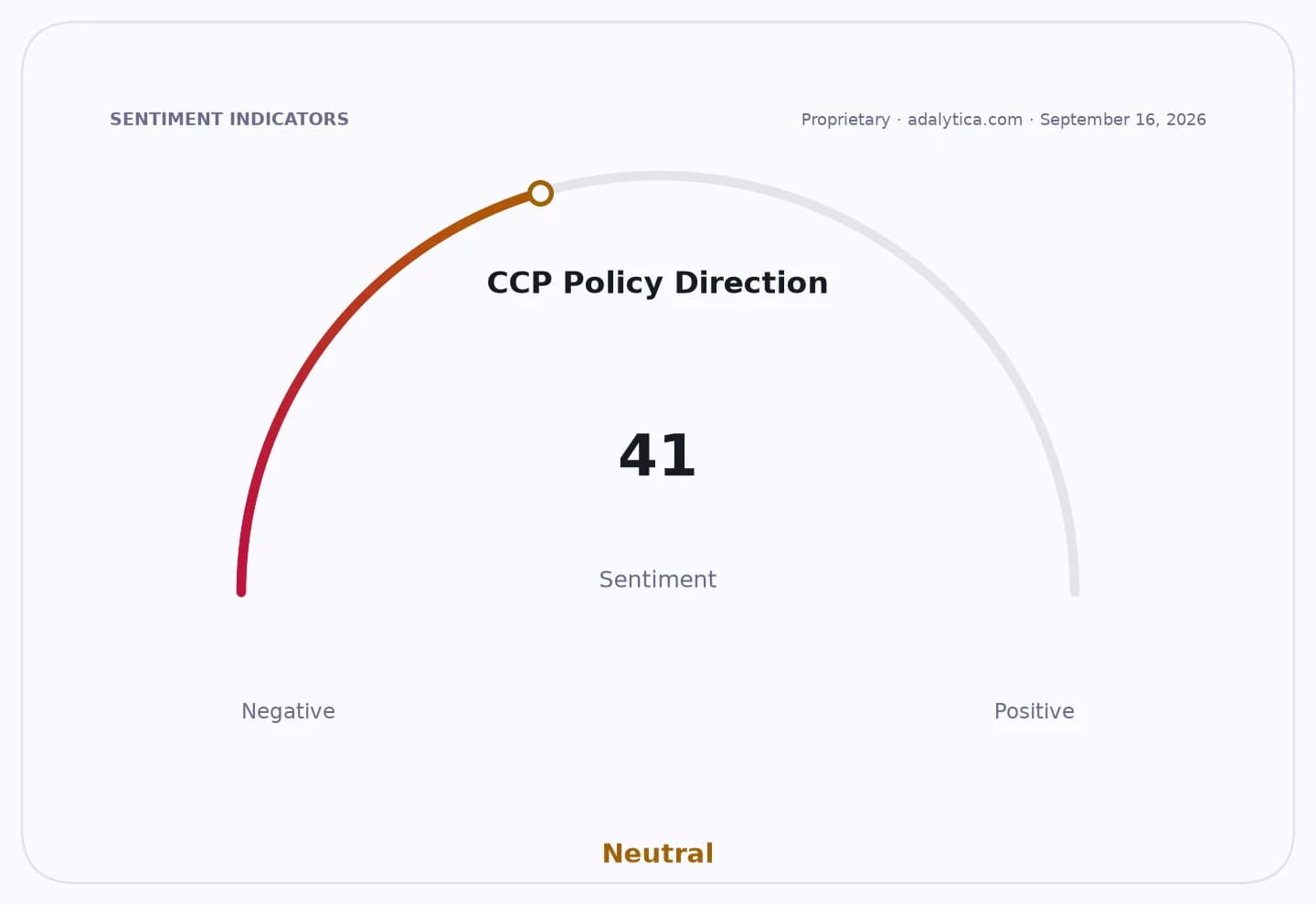
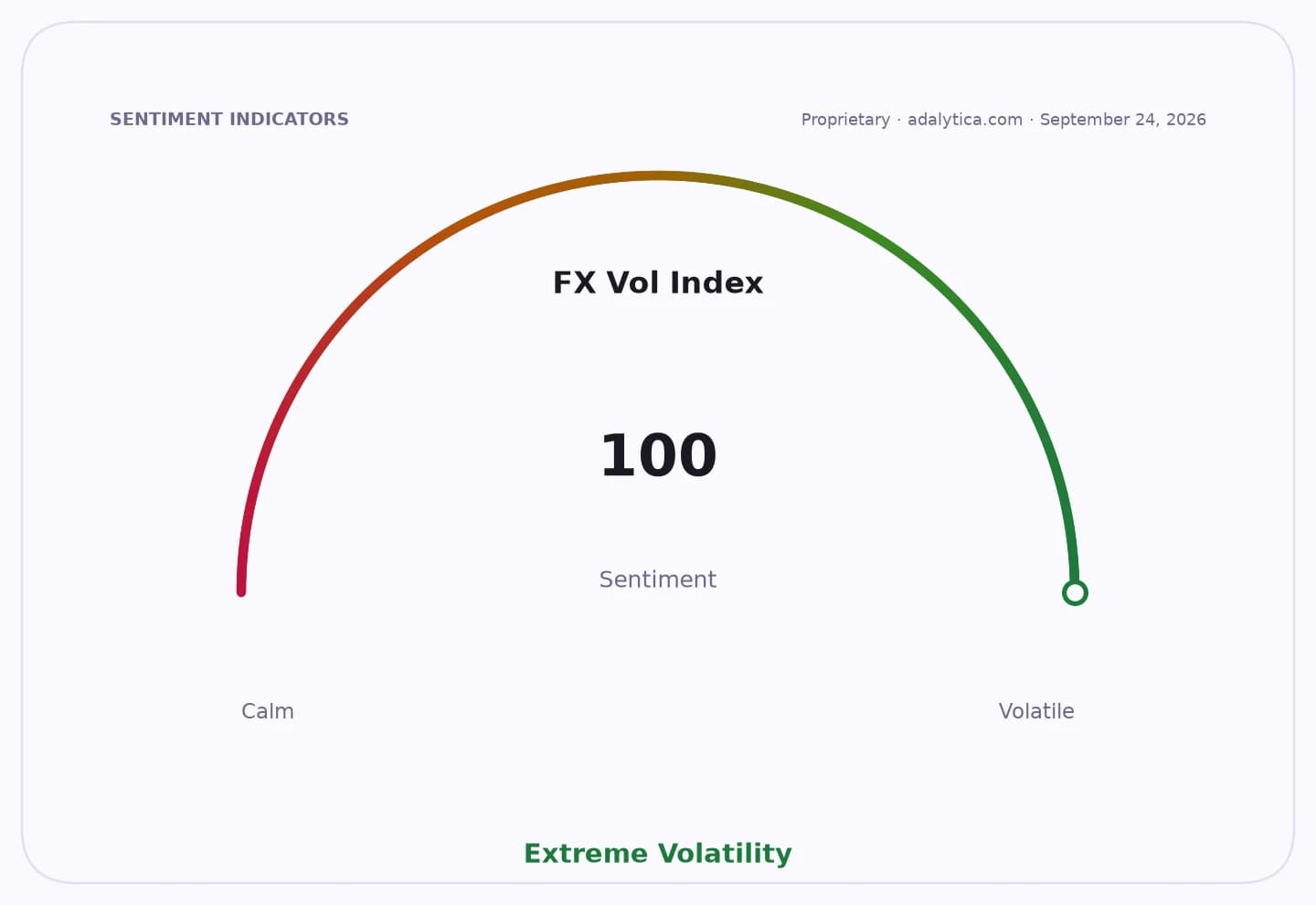
Sentiment IndicatorsⓘProprietary · adalytica.com · September 8, 2026
This is a snapshot — live sentiment, awareness and momentum for 130+ markets update continuously in the dashboard.Open AlphaPulse
For Equatorial Guinea, the timing matters because the country remains heavily exposed to the fortunes of its oil economy and to the external partners that help underpin state revenues, infrastructure financing and political durability. Party-to-party links with China can translate into access, patronage and policy coordination that go beyond formal state diplomacy, especially in economies where the ruling party and the government are closely intertwined.
For Beijing, the meeting fits a broader strategy of cultivating relationships across Africa through political parties as well as governments. That approach gives China an additional channel for influence in countries where strategic assets, energy supplies and infrastructure contracts remain important. In Equatorial Guinea’s case, the ties matter because the country is a small but long-standing hydrocarbon producer on the Gulf of Guinea, where Chinese firms have historically sought commercial footholds and where Western and Asian energy interests still compete for access.
The delegation said the trip would review ties and define new avenues of cooperation. In practical terms, that could mean renewed discussion of investment, development financing, party training or diplomatic support, all of which can affect how Equatorial Guinea positions itself amid tighter public finances and a slowing global growth backdrop. The state’s room to maneuver is limited, so preserving external relationships is economically valuable even when the immediate outcome is symbolic.
The market relevance is indirect but real. Any strengthening of China’s political and economic presence in Equatorial Guinea can matter for the regional energy balance, for service contractors looking at West African opportunities and for investors watching how African producers diversify partnerships as oil prices and geopolitics remain volatile. It also keeps attention on China’s appetite for African energy exposure, which remains an important variable for upstream investment and trade flows.
The bull case is that deeper ties could help Equatorial Guinea attract support, stabilize external relations and improve the odds of future cooperation in infrastructure and energy. The bear case is that party diplomacy alone may not solve the country’s structural constraints: a mature oil base, limited diversification and dependence on a narrow set of external patrons.
What matters next is whether the 10-day visit yields concrete memorandums, investment discussions or follow-up state-to-state engagement. If it does, the trip will be more than a ceremonial anniversary event; it will be another sign that political alliances with China remain a live economic tool for African ruling parties.
| Entity | Gains | Losses |
|---|---|---|
| PDGE | ▲China access | ▼diplomatic isolation |
| PCC/China | ▲African influence | ▼limited outreach cost |
| Equatorial Guinea state | ▲external support | ▼bargaining dependence |
| Western rivals | ▲— | ▼relative leverage |