France and Canada pledged to tighten political and economic cooperation as both governments seek to hedge against a more volatile U.S. under President Donald Trump, with energy, climate and strategic industries at the center of the reset.
France and Canada deepen cooperation on trade and energy
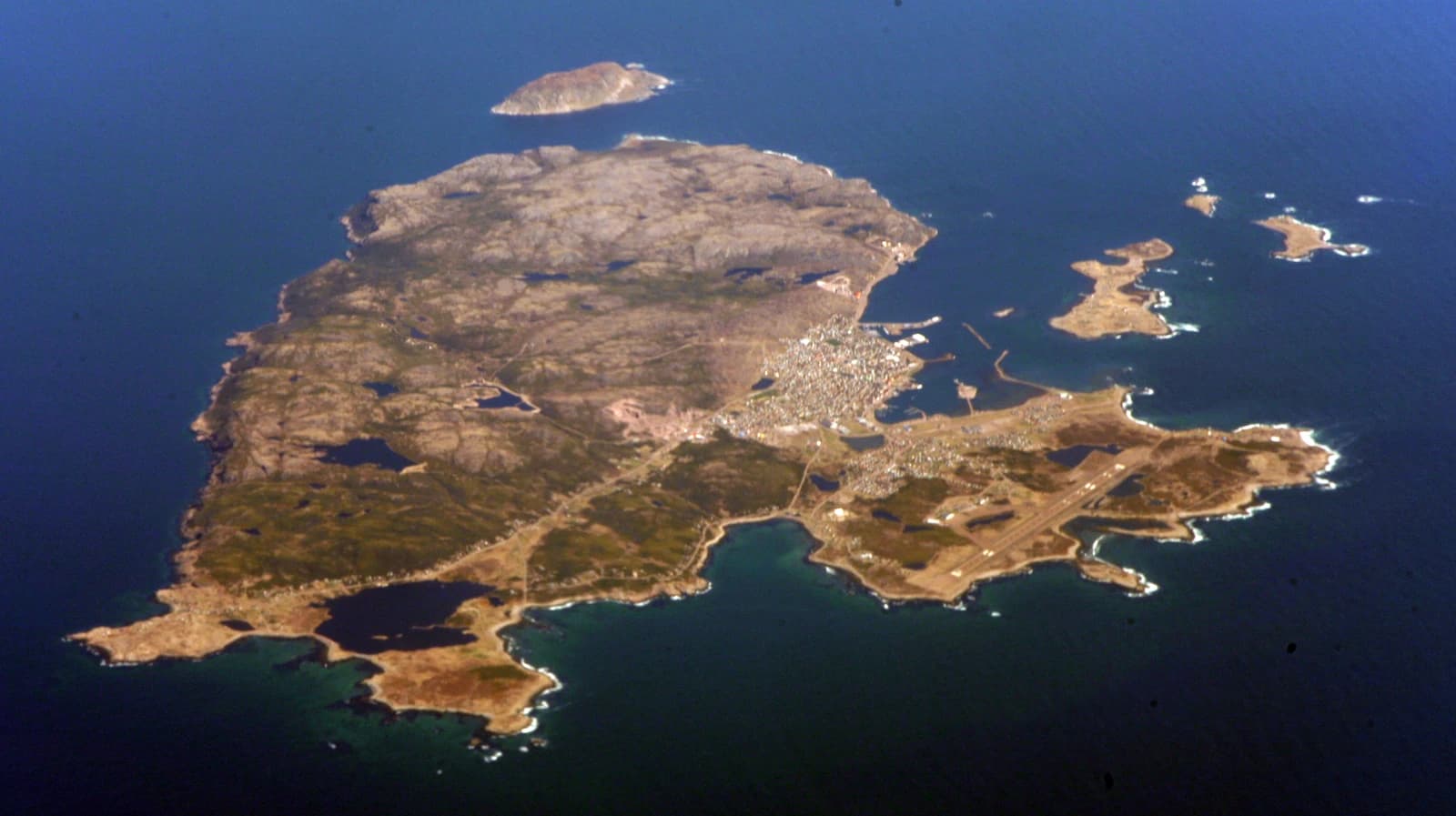
The meeting between President Emmanuel Macron and Prime Minister Mark Carney on the French island of Saint-Pierre and Miquelon underscored how trade tensions with Washington are pushing Ottawa and Paris closer together. For Canada, the timing matters: Carney is trying to diversify ties with Europe just as Trump’s trade war escalates and U.S. rhetoric around sovereignty and territorial claims fuels political pressure at home. For France, the opening offers a chance to expand influence in North America while pressing for more Canadian liquefied natural gas deliveries to Europe as the bloc searches for alternatives to Russian energy.
Sentiment IndicatorsⓘProprietary · adalytica.com · September 24, 2026
This is a snapshot — live sentiment, awareness and momentum for 130+ markets update continuously in the dashboard.Open AlphaPulse
Macron and Carney said they want deeper cooperation in areas ranging from space to climate and energy. That is more than diplomatic symbolism. It signals an effort by two mid-sized Western economies to create a more resilient trade and policy axis at a moment when the transatlantic order is being strained by tariff threats, climate disruption and rising doubts about democratic norms. Carney cast the relationship as a response to “new storms,” while Macron framed it around democracy, rule of law and what he called free and fair trade.
The location of the meeting added weight. Saint-Pierre and Miquelon, a French archipelago off Canada’s Atlantic coast, has become an unexpectedly potent stage for a sovereignty message after Trump circulated an image portraying the islands and other parts of North America under a U.S. flag. Macron used the moment to reject any suggestion that France’s territories were up for debate, reinforcing the broader political point that Europe and Canada are increasingly sensitive to U.S. pressure.
For investors, the partnership matters in several markets. Canadian energy exporters could benefit if Ottawa succeeds in redirecting more LNG toward Europe rather than Asia, which would have implications for shipping routes, pricing and infrastructure investment. The euro and Canadian dollar could also draw attention as traders assess whether a closer France-Canada axis alters capital flows or trade expectations, though the immediate market impact is likely to be modest. Adalytica’s FX volatility trading signals show extreme greed in the dollar complex, while its global stability gauge has dropped to neutral, suggesting markets are still pricing a fragile geopolitical backdrop rather than a durable shift in risk appetite.
There is also an institutional angle. Macron said France backs the idea of Canada becoming the EU’s first associated member, a concept that would deepen commercial and policy ties far beyond the current framework. But the idea faces a major political hurdle: several EU states, including France, have still not ratified the existing comprehensive trade agreement with Canada even after years of provisional application. That makes the new pledge more strategically important than operationally immediate.
The bull case is that Canada and France use this moment to build a practical Western partnership around energy security, critical technologies and supply-chain resilience. The bear case is that the announcement remains largely symbolic, constrained by European politics, regulatory friction and the reality that Canada still depends heavily on the U.S. market. For now, the clearest takeaway is that Trump’s pressure is not just straining allies — it is also rearranging their alliances.
| Entity | Gains | Losses |
|---|---|---|
| France | ▲Wider North America ties | ▼U.S. leverage |
| Canada | ▲EU diversification | ▼U.S. trade exposure |
| LNG exporters | ▲New European demand | ▼Asia-focused volumes |
| Trump administration | ▲— | ▼Ally cohesion |