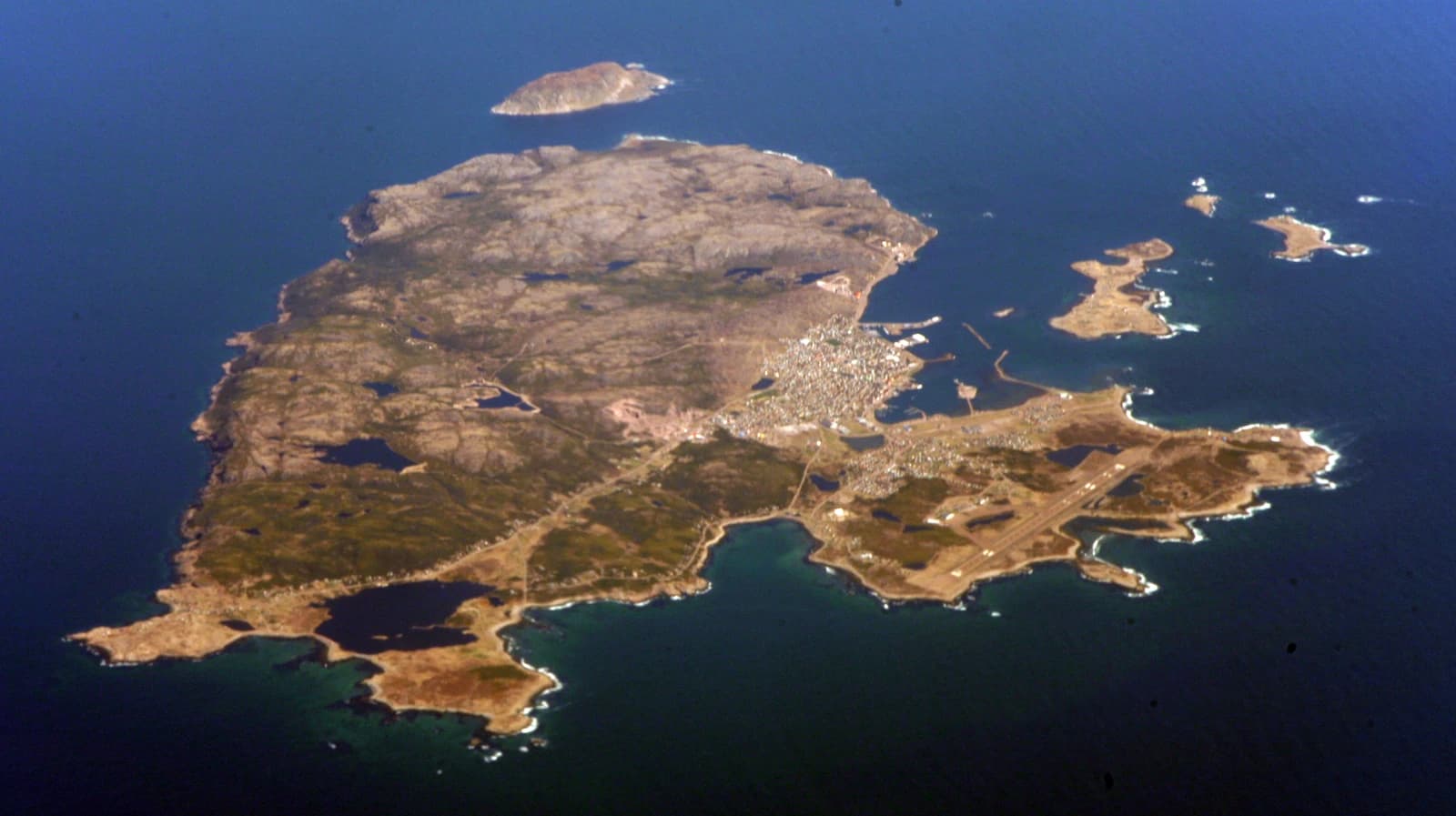
France and Canada used a rare joint appearance on St. Pierre and Miquelon to push a closer EU-Canada alliance, framing the move as a response to rising threats to sovereignty, trade and energy security at a moment when U.S. President Donald Trump is rattling allies.
France, Canada push closer EU trade alliance
French President Emmanuel Macron and Prime Minister Mark Carney cast the talks as more than symbolism. Both leaders said Canada and the European Union should deepen ties on trade, artificial intelligence and energy, with Carney calling for a “new alliance” that would strengthen collective resilience and Macron backing Canada’s place in what Brussels calls a future political community.
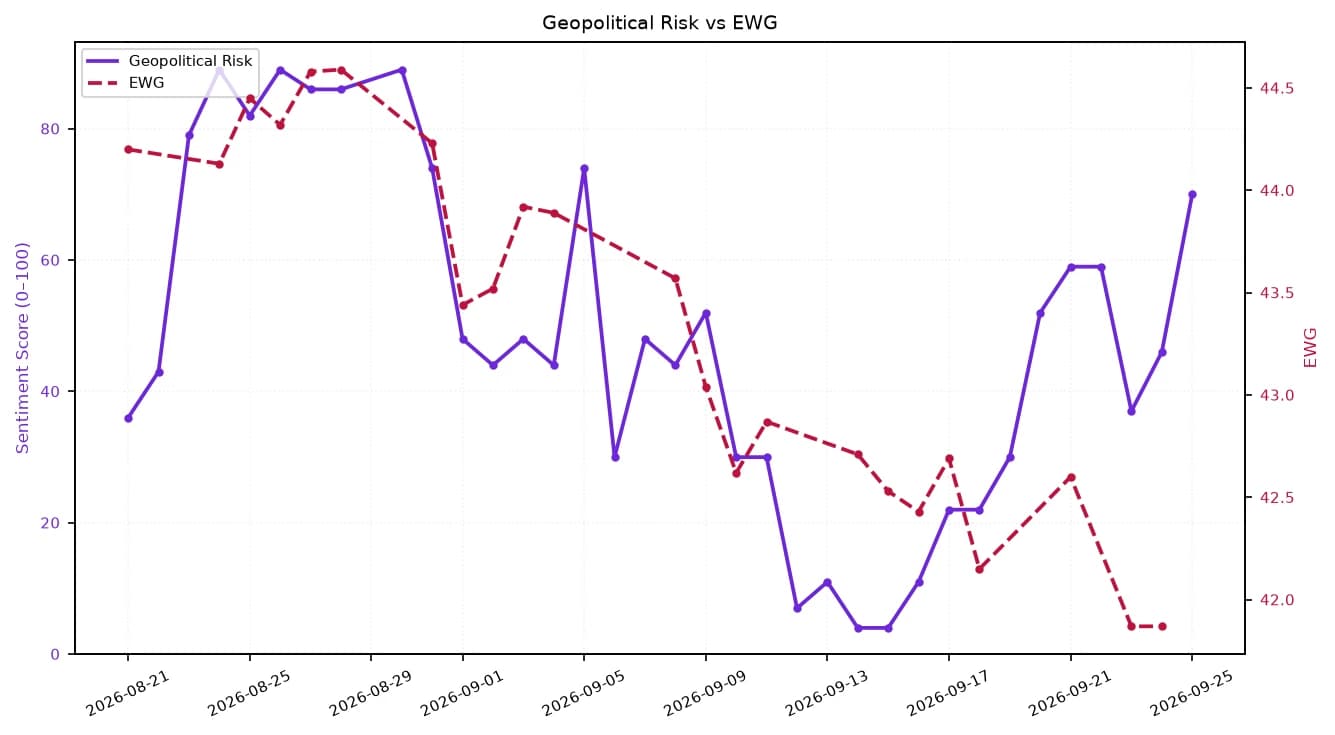
Sentiment IndicatorsⓘProprietary · adalytica.com · September 23, 2026
This is a snapshot — live sentiment, awareness and momentum for 130+ markets update continuously in the dashboard.Open AlphaPulse
The setting carried its own message. St. Pierre and Miquelon, France’s only territory in North America, sits just off Newfoundland and has become a geopolitical stage after Trump published a map showing the islands under a U.S. flag and questioned sovereignty more broadly. Carney was the first Canadian prime minister to visit the archipelago, underscoring Ottawa’s intent to show support for French claims while also signaling that Canada wants a wider strategic pivot toward Europe.
The economic angle is clear. Canada is expanding liquefied natural gas projects, while Europe is searching for alternative energy supplies as Middle East tensions lift fuel costs. Closer Canada-EU ties could open doors for LNG, critical minerals and industrial cooperation, helping reduce dependence on the U.S. market and easing supply risks for European buyers.
Investors are likely to watch the policy follow-through rather than the optics. A more formalized Canada-EU partnership could support Canadian exporters, European energy and infrastructure names, and firms exposed to AI cooperation across advanced economies. It also adds another layer to the global push for supply-chain diversification as Washington’s trade posture becomes less predictable.
The broader message is that Canada and Europe are trying to turn geopolitical anxiety into a trade and industrial strategy. For markets, the question now is whether that alignment produces concrete agreements on energy, technology and market access, or remains a diplomatic gesture built around shared resistance to U.S. pressure.
| Entity | Gains | Losses |
|---|---|---|
| Canada | ▲Broader trade ties | ▼U.S. market dependence |
| European Union | ▲Energy diversification | ▼Russian/Middle East supply reliance |
| France | ▲Sovereignty backing | ▼U.S. pressure on territory |
| U.S. trade leverage | ▲Less influence | ▼More allied coordination |