Estonian households added to their cash buffers in August even as borrowing continued to rise, underscoring a consumer balance sheet that is still expanding despite a soft European growth backdrop.
Estonian households raise deposits and borrowing
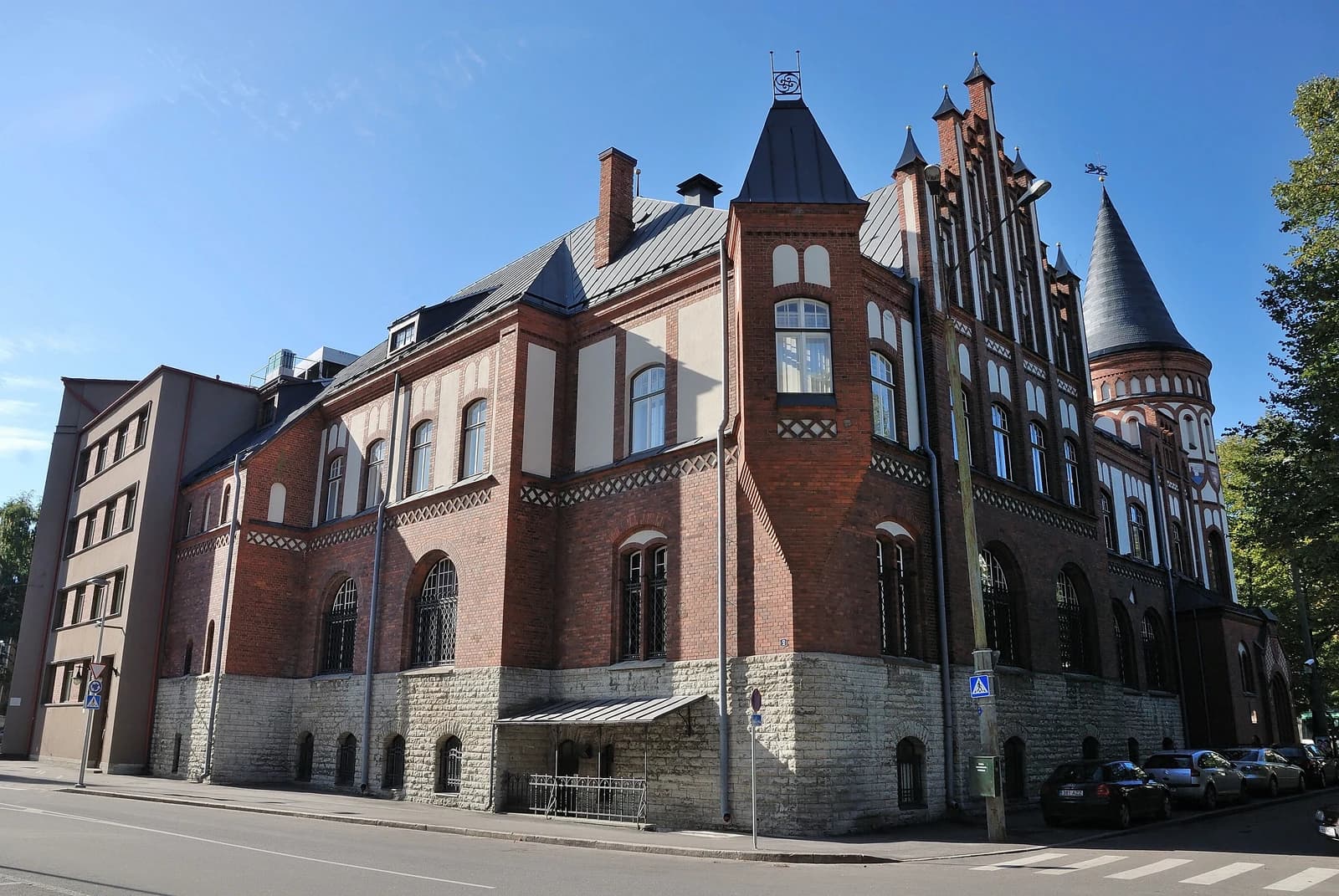
The Bank of Estonia said household bank account balances rose to 14.6 billion euros in August, up 7.5%, or 1 billion euros, from a year earlier. Total bank assets in the country climbed to 49.6 billion euros, while deposits reached 34.5 billion euros, with households accounting for a little under half of that pool.
The increase matters because household deposits are one of the clearest gauges of private-sector resilience and spending power. Higher balances suggest Estonian consumers retained more liquidity through the year, giving them a cushion against higher living costs, weaker external demand and any further tightening in credit conditions. For lenders, stronger deposits also improve funding stability at a time when banks across Europe remain sensitive to deposit competition and margin pressure.
At the same time, the data show that the household sector is not just saving more — it is still borrowing. Housing lending in August totalled 237 million euros, up 39 million euros from a year earlier, and car leasing rose to 28 million euros, up 8 million euros. The outstanding stock of household loans and leases increased 9% over the year to 16.4 billion euros.
That combination points to a consumer sector that is still functioning, not freezing. A rising deposit base alongside stronger credit demand can support domestic consumption and housing activity, but it also suggests households have not retreated into outright caution. If the trend persists, it could help offset weakness in trade-linked parts of the economy. If it accelerates too quickly, it can also leave lenders exposed if employment or income growth slows.
The broader banking system also remains externally connected: 15% of total deposits belonged to non-residents, a reminder that Estonia’s financial system is small, open and vulnerable to cross-border flows. For investors, the message is less about any single monthly move and more about the balance between liquidity, leverage and lending growth. A household sector with more cash on hand and rising debt can support bank income in the near term, but it also leaves less room for complacency if macro conditions deteriorate.
For now, the data suggest Estonia’s consumers are still adding savings even while taking on more credit — a sign of economic steadiness, but also one to watch closely if growth weakens or borrowing costs stay elevated.
| Entity | Gains | Losses |
|---|---|---|
| Estonian households | ▲Larger cash buffers | ▼Higher debt load |
| Estonian banks | ▲More deposits, more lending | ▼Funding competition |
| Economy | ▲Consumer resilience | ▼Risk of future leverage stress |
| Non-resident depositors | ▲Stable access to local banking system | ▼Exposure to cross-border flows |