Italian families are borrowing more to get through everyday spending, a sign that inflation and sluggish income growth are forcing households to rely on credit to bridge the gap.
Italy household credit rises as spending pressure grows
A study by Cgia di Mestre shows that in 2025 consumer credit excluding home loans reached almost 178 billion euros, up 62% from nine years earlier, while total household debt including mortgages and other financing climbed to 612.6 billion euros. Cgia said the jump in borrowing reflects both emergency liquidity needs and purchases of durable goods, from cars and appliances to furniture, at a time when wages and pensions have often barely moved.
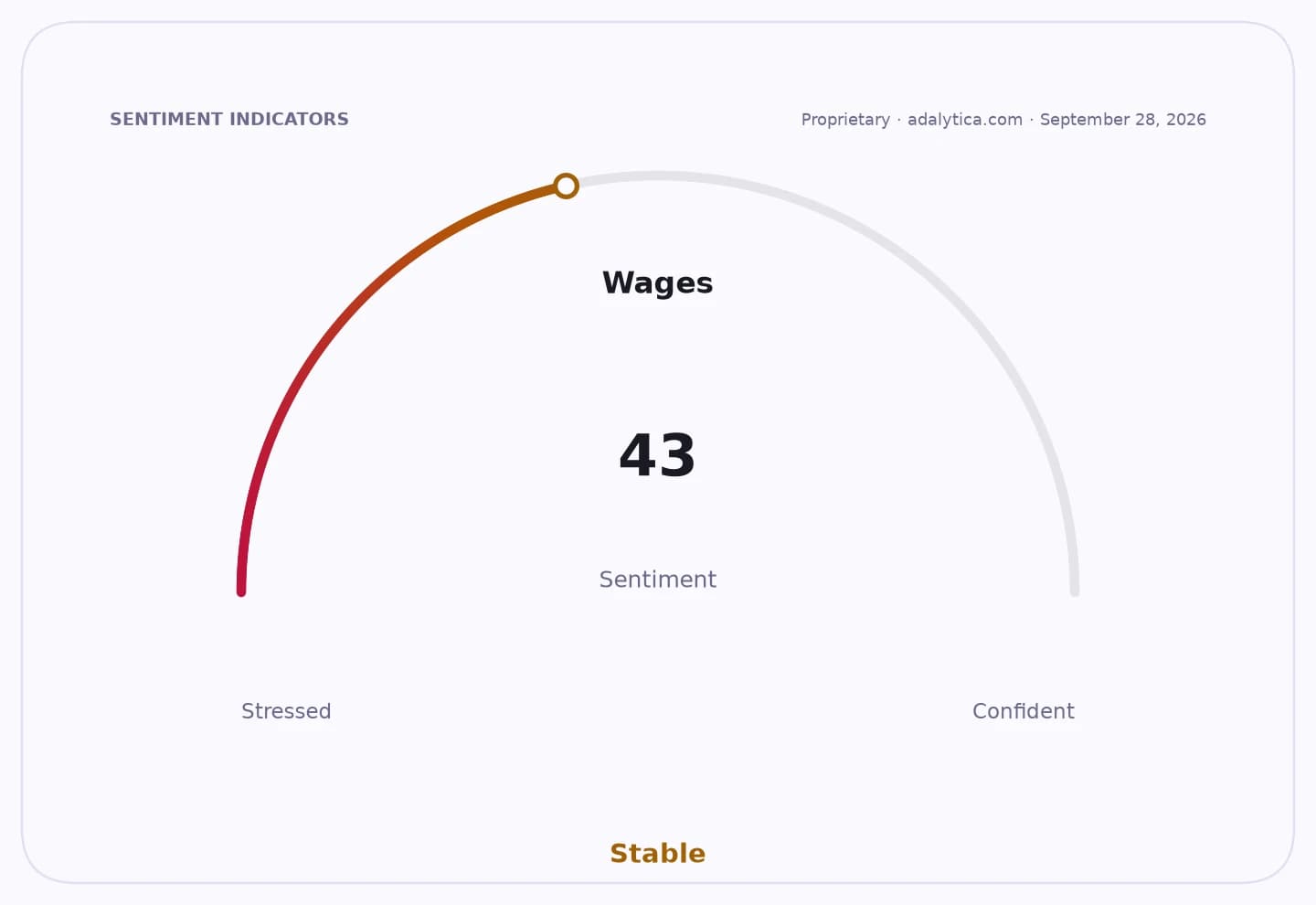
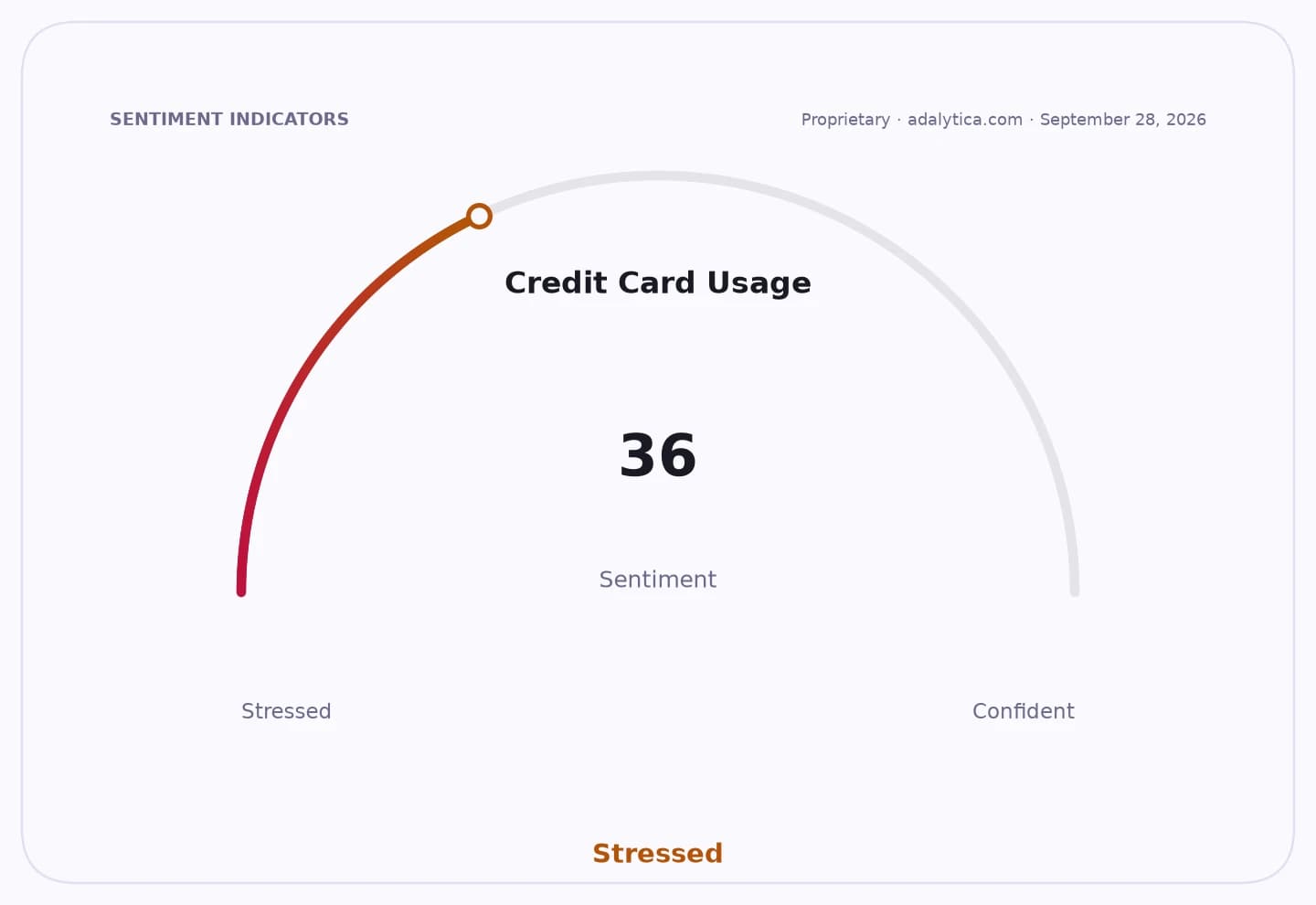
Sentiment IndicatorsⓘProprietary · adalytica.com · September 28, 2026
This is a snapshot — live sentiment, awareness and momentum for 130+ markets update continuously in the dashboard.Open AlphaPulse
That shift matters for Italy because household consumption accounts for about 60% of GDP. More borrowing can cushion spending in the short term and help support retail sales and domestic demand. But if debt is growing faster than disposable income, it also points to mounting strain in family budgets and a higher risk that repayment costs will crowd out future spending.
The data show how broad the trend has become. Excluding mortgage lending, banks and finance companies extended 127 billion euros of consumer credit, while 447.5 billion euros of mortgage loans were outstanding across 3.8 million households. Cgia excluded mortgages from its debt burden calculation, arguing they are long-term investments that build household wealth rather than short-term financing of consumption.
The pressure is uneven across the country. The national average consumer debt was 6,657 euros per household in 2025, up 4.9% from the prior year. Umbria posted the highest level at 7,514 euros, followed by Tuscany at 7,399 euros and Sicily at 7,383 euros. At provincial level, Syracuse led at 8,437 euros, ahead of Massa-Carrara and Lodi.
For lenders, the data point to continued demand for consumer loans and mortgages, but also to a population that may be increasingly dependent on credit to sustain living standards. For investors, the key question is whether borrowing is supporting consumption without undermining credit quality. If incomes remain weak while borrowing rises, lenders could face higher delinquencies later in the cycle even as loan volumes stay firm.
The mortgage market remains active, with 382,389 home loans taken out in 2025, led by Lombardy, Veneto and Emilia-Romagna. That suggests housing demand is still supporting the credit market even as the broader cost-of-living squeeze persists.
The central issue now is whether Italy’s debt expansion is a temporary response to inflation or a more durable sign of household fragility. If wages do not start catching up, the country’s consumer credit boom may become less a sign of resilience than a warning that families are financing ordinary life with borrowed money.
| Entity | Gains | Losses |
|---|---|---|
| Banks and finance companies | ▲Loan growth | ▼Higher credit risk |
| Italian households | ▲Short-term liquidity | ▼Future repayment burden |
| Retailers and consumer lenders | ▲Supported spending | ▼Fragile demand base |
| Italy’s economy | ▲Near-term consumption support | ▼Weaker household balance sheets |