Greece’s mortgage market is rebounding fast, with new home-loan disbursements expected to reach €2.515 billion in 2025, up 35% from 2024 and more than four times the level seen in 2020, as aggressive bank competition and lower borrowing costs revive demand.
Greece mortgage lending rises to €2.515 billion
The rise matters because housing credit has been one of the clearest signs that Greece’s banking system is moving beyond the cleanup years and back into growth mode. Mortgage lending remains a relatively small part of property transactions, so even after the surge there is still room for expansion if household incomes, confidence and approvals continue to improve.
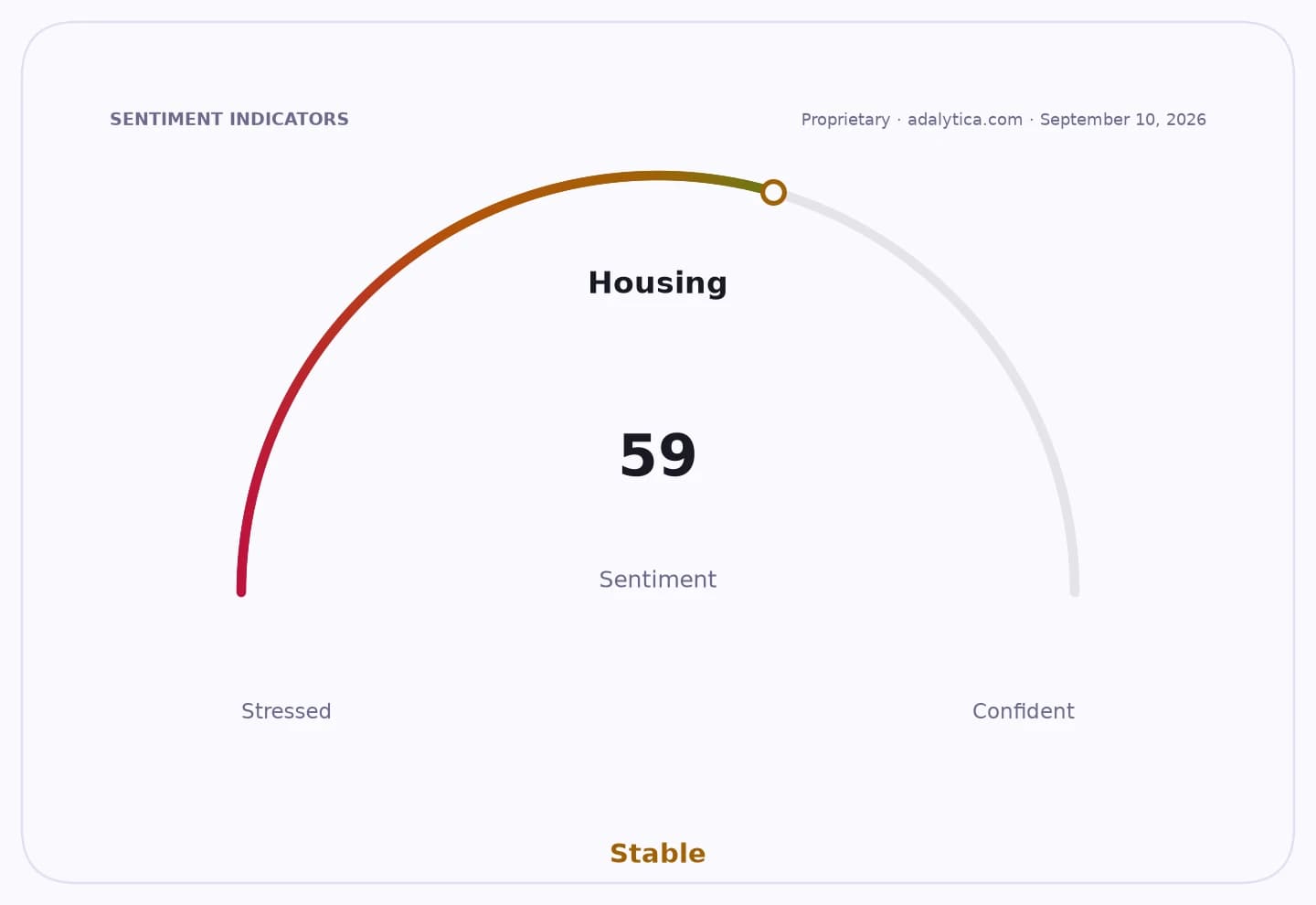
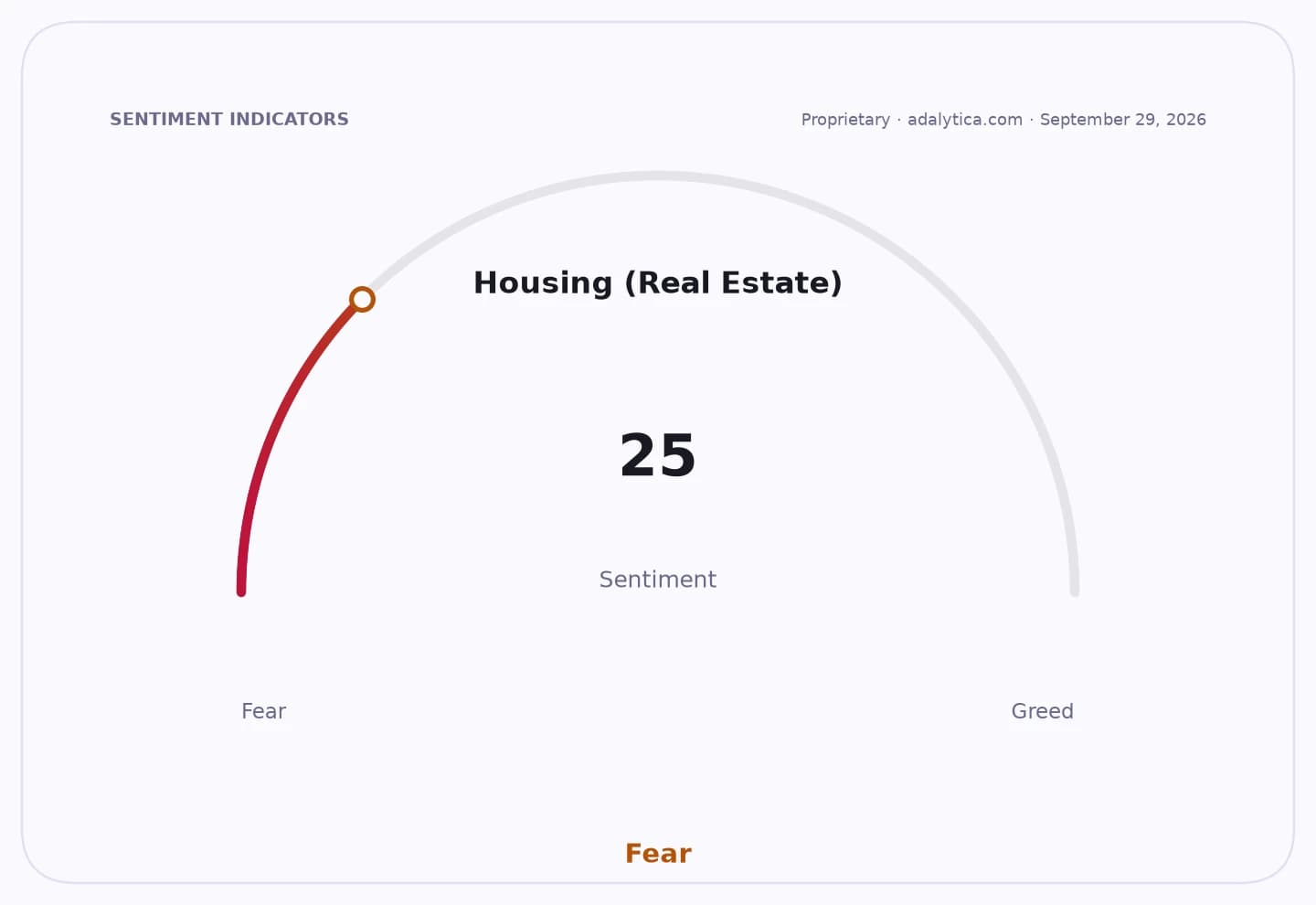
Sentiment IndicatorsⓘProprietary · adalytica.com · September 29, 2026
This is a snapshot — live sentiment, awareness and momentum for 130+ markets update continuously in the dashboard.Open AlphaPulse
The latest data from IMS Financial Consulting show the four systemic banks distributed €2.515 billion in mortgage loans in 2025, compared with €1.771 billion in 2024 and just €594 million in 2020. The growth is continuing into 2026: in the first eight months, disbursements reached about €1.835 billion, up 34.9% from a year earlier, or roughly €475 million more.
That momentum is not driven only by state-backed schemes. Loans outside the “Spiti Mou” homebuyer program rose 27.3% in the first eight months of 2026 to €1.246 billion, while disbursements linked to the program climbed 54.6% to €589 million. The mix suggests the recovery is broadening beyond government support, even as subsidized lending remains an important accelerator.
Borrowing costs are also helping. For new mortgages with fixed rates of more than one year and up to five years, Greece’s average rate stood at 2.89% in July, below the euro area average of 3.57%, according to European Central Bank data. For fixed-rate loans longer than 10 years, Greece’s average was 3.20% in May versus 3.36% across the eurozone.
For investors, the trend points to healthier loan growth for Greek lenders, but also tighter margins as competition intensifies. Mortgage loans still finance only 23% of property transactions in Greece, compared with 45% in Europe, indicating a shallow market that can still deepen — though any sustained pickup will depend on rates, income trends and whether the government’s family-mortgage rule changes from Oct. 1 bring more buyers into the system.
| Entity | Gains | Losses |
|---|---|---|
| Greek systemic banks | ▲More mortgage volume | ▼Margin pressure from competition |
| Homebuyers | ▲Lower fixed rates | ▼Tougher approval process |
| Greek property market | ▲Higher transaction financing | ▼Buyers without access to credit |
| State-backed housing schemes | ▲Higher uptake | ▼Less relative share as market broadens |