Affordable housing has become the most contested part of Greece’s property market, with demand concentrating on lower-priced homes and rents while foreign buyers add fresh pressure in attractive coastal and urban areas.
Greece housing demand tightens in affordable segment
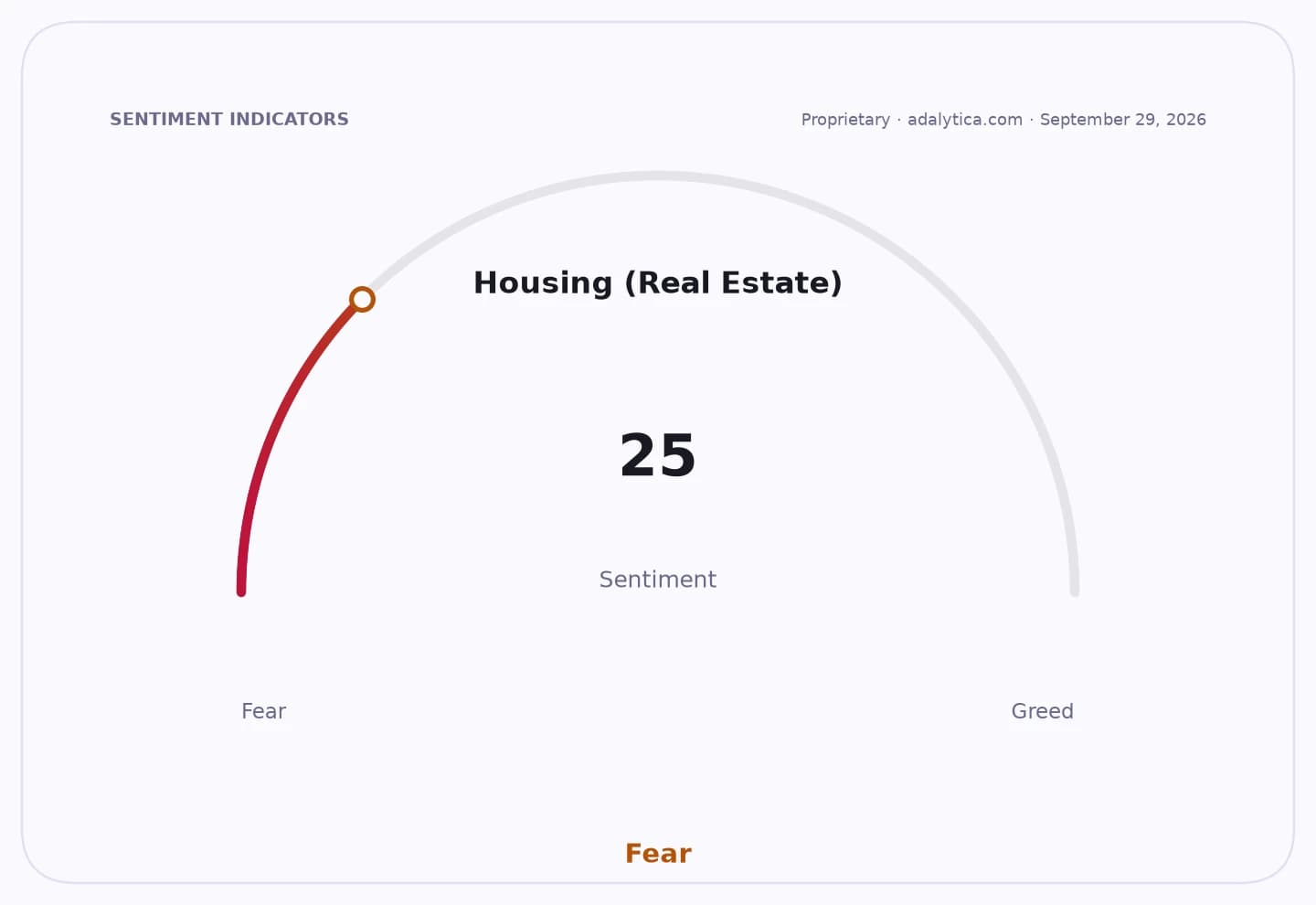
The crunch is most visible in rentals, where each available property drew an average 23.38 unique searches and 2.41 expressions of interest in the first eight months of 2026, versus 11.68 searches and 0.79 expressions in sales. That gap shows how many households are looking, and how few can actually convert interest into a purchase in a market where supply remains tight.
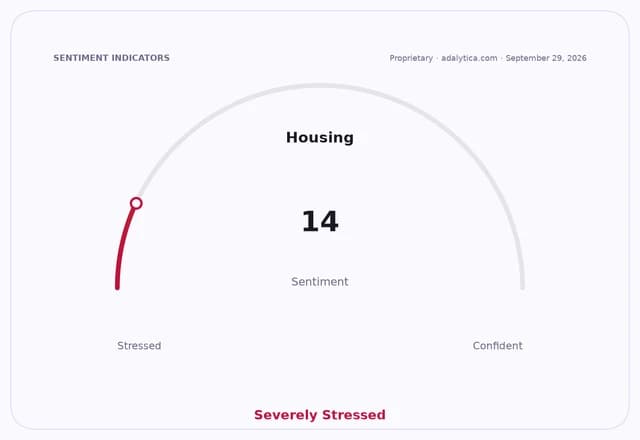
The pressure is heaviest below the key 600-euro rent threshold. In Athens’ northern suburbs, a flat asking less than 600 euros a month attracted 281.7 searches and 21.1 expressions of interest on average, while in the Dodecanese the comparable figure was about 196 searches and 22.4 expressions. The pattern is similar in sales, where homes priced up to 250,000 euros attract the bulk of demand across Athens, Thessaloniki and a growing number of regional markets.
Patras stands out as one of the clearest examples of the affordability squeeze outside the two largest cities. In Achaia, asking prices for homes rose 10.9% year on year in the first quarter of 2026, outpacing the national 7.9% gain, before rising another 7.5% in the second quarter. In the city itself, asking prices now run roughly 1,500-1,600 euros per square metre, while more sought-after areas such as the centre and Rio can reach or exceed 2,400 euros per square metre.
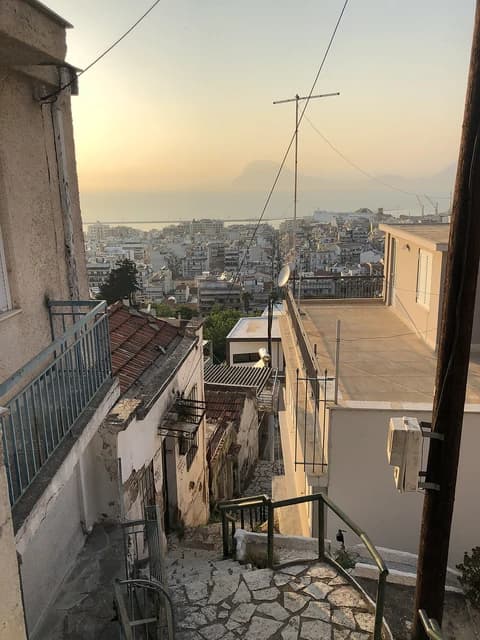
The rental market is tight as well, with average asking rents in Patras around 8.5-9.5 euros per square metre. Student demand from the University of Patras is keeping the market firm, but unlike many other major university towns, asking rents for student housing were stable in the second quarter of 2026 versus a year earlier. Average student search budgets in Achaia were about 398 euros a month, below Athens at 543 euros and Thessaloniki at 496 euros.
Foreign demand is adding another layer to the competition. Searches from abroad have risen 60.3% since 2020 and now account for 20.3% of all searches, or roughly one in five. Buyers from the U.S., Germany and the U.K. are willing to look at more expensive homes than Greek buyers, and they are increasingly targeting not just Athens and Thessaloniki but also holiday markets such as Halkidiki, the Cyclades, Kavala, Messinia and the Dodecanese.
For investors, the story is straightforward: Greece’s housing shortage is keeping price pressure alive in the lower end of the market, supporting landlords and owners of affordable stock while making it harder for first-time buyers and renters to secure homes. The next swing factor will be whether supply can catch up, or whether policy pressure on affordability and the growing role of foreign demand keeps the market tilted against local households.
| Entity | Gains | Losses |
|---|---|---|
| Landlords of affordable homes | ▲Higher demand, stronger pricing power | ▼None |
| First-time buyers and renters | ▲More choice pressure in theory | ▼Affordability, access |
| Foreign buyers | ▲Wider access to Greek property | ▼Local competition |
| Patras sellers and student landlords | ▲Tight local demand, firmer rents | ▼Price-sensitive households |