Ethereum’s Pectra upgrade is set to matter less as a headline event than as a structural attempt to fix two of the network’s biggest friction points: clunky wallet usability and validator sprawl. For investors, that is important because Ethereum’s long-run value proposition depends on whether it can convert technical complexity into broader adoption, lower operating costs and a more resilient staking system.
Ethereum Pectra upgrade targets wallets and staking

The upgrade, expected in early 2025, combines the previously planned Prague and Electra changes into one package and touches both the execution and consensus layers. The most watched proposal, EIP-7702, would let ordinary wallets temporarily behave like smart-contract wallets during a transaction, opening the door to features such as batch transactions, gas sponsorship and limited-permission keys. That could improve onboarding and recovery for retail users, while also making Ethereum more usable for applications that need simpler account management.
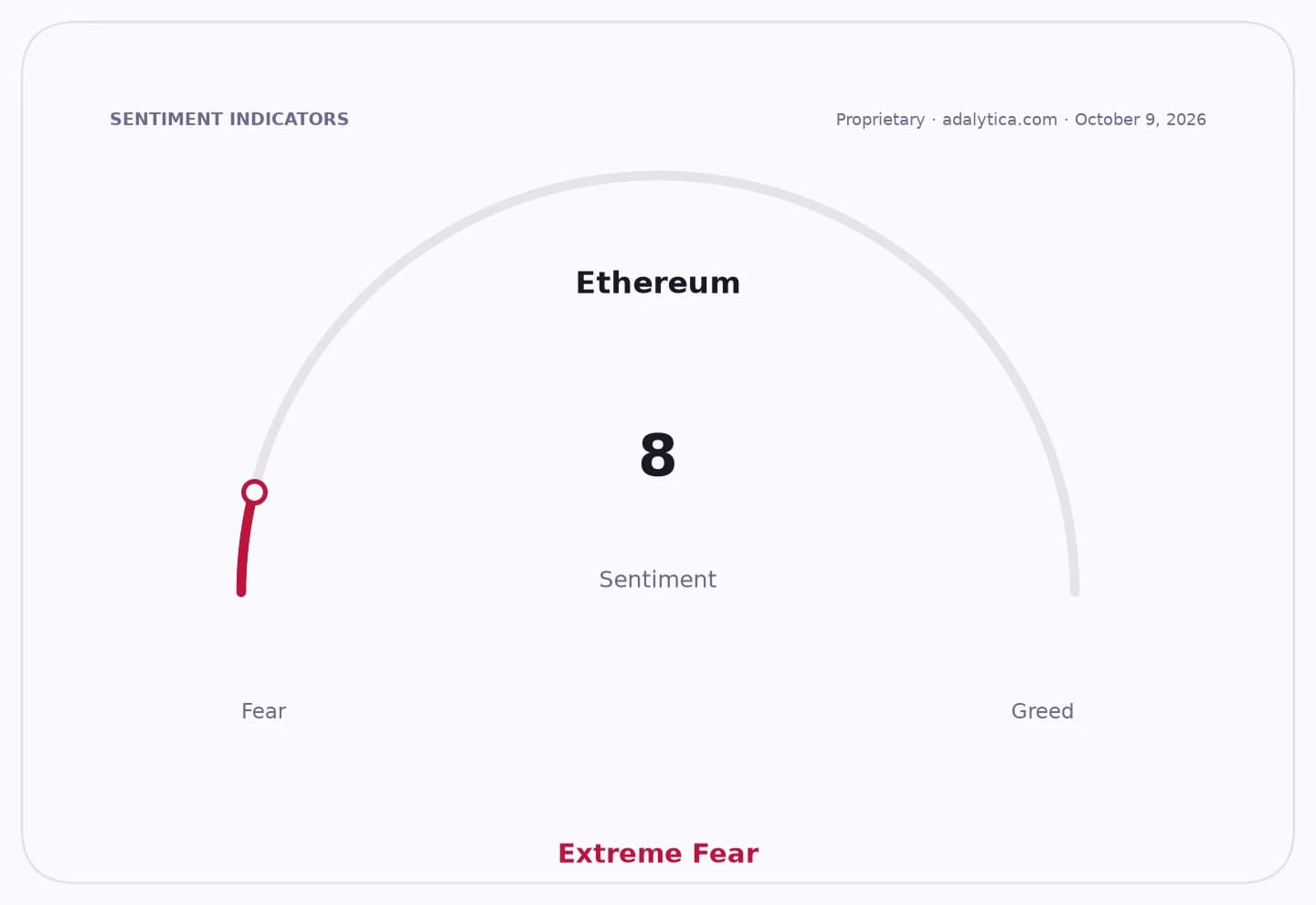
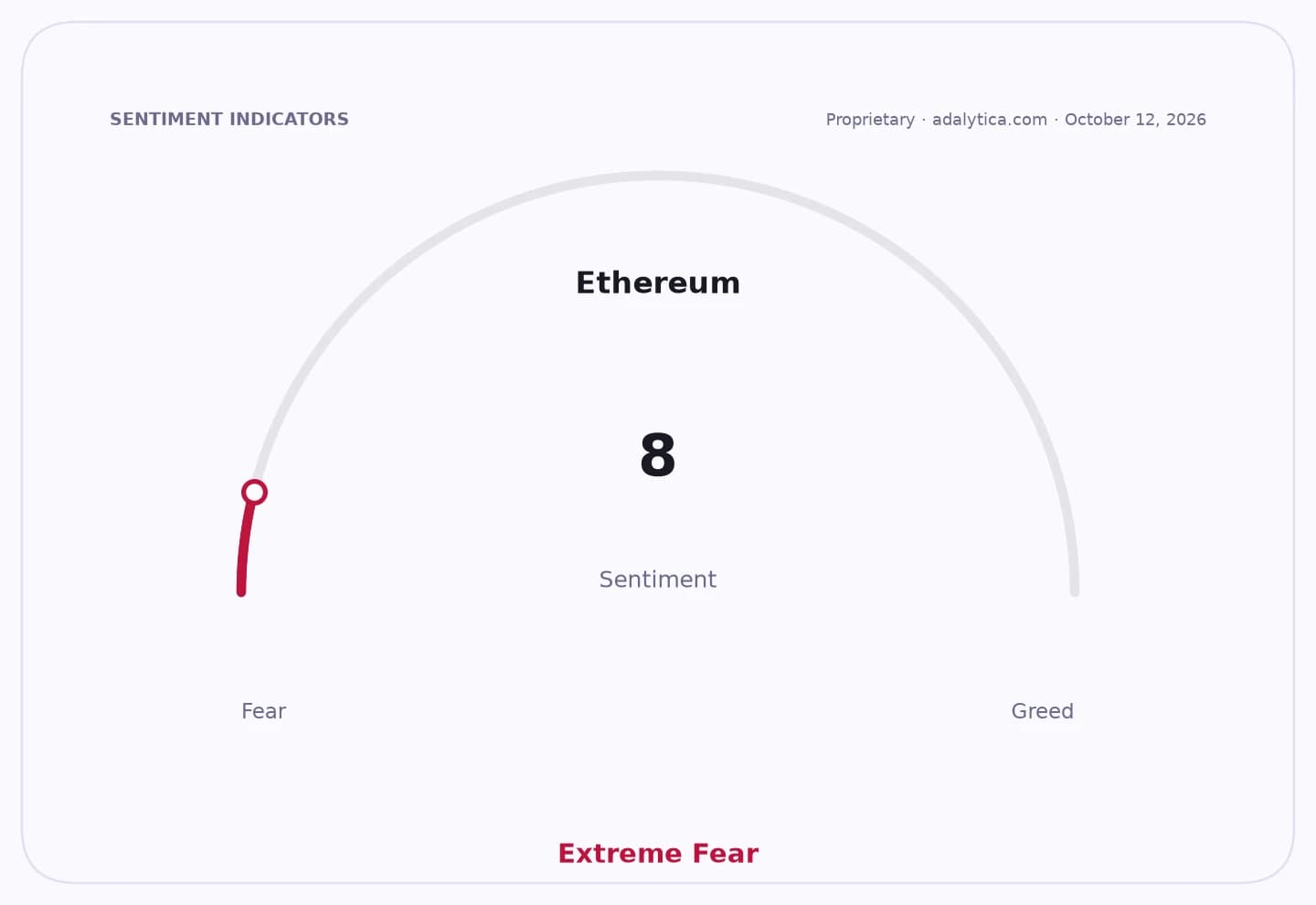
Sentiment IndicatorsⓘProprietary · adalytica.com · October 16, 2026
This is a snapshot — live sentiment, awareness and momentum for 130+ markets update continuously in the dashboard.Open AlphaPulse
The other major change, EIP-7251, would raise the maximum stake for validators to 2,048 ETH from the current 32 ETH minimum, allowing large operators to consolidate nodes and reduce the number of validators they need to run. With roughly 2,600 Ethereum nodes already running more than 1 million validators, the network has been grappling with operational complexity that can slow message processing and add coordination overhead. In economic terms, that is a capacity and cost issue: more efficient validator management can reduce the burden on the network and improve the economics of staking.
The market backdrop, however, is less forgiving. Ether was last trading around $2,449, below its 50-day and 200-day moving averages, with RSI readings in the low 30s and a negative MACD, a technical setup that points to weakening momentum rather than a conviction bid ahead of the upgrade. Adalytica’s Ethereum Fear & Greed Index shows sentiment in “Fear” at 29, even as awareness has climbed to 76, suggesting the network remains highly visible but not yet broadly embraced by traders. Bitcoin, by contrast, sits in “Extreme Fear,” underlining that the weakness is not isolated to ether, even if Ethereum’s relative underperformance has been more persistent.
That matters for investors because upgrades that improve usability rarely translate immediately into price gains. The bullish case is that Pectra gives Ethereum a better product: safer wallets, smoother staking and more scalable infrastructure, all of which could help retain developers and users against rival blockchains. The bearish case is that technical progress arrives into a market already contending with weak risk appetite, whale distribution and a broader de-rating of crypto assets, limiting any near-term multiple re-rating for ETH.
For companies tied to Ethereum activity, the implications are mixed. Trading platforms and custodians may benefit if wallet features and staking access broaden participation, while large validators and infrastructure providers could see their operating models become more efficient. But if the upgrade fails to reignite demand, the market may treat it as another necessary maintenance step rather than a catalyst. The key test will be whether Pectra can convert Ethereum’s technical roadmap into real user growth at a time when capital is already selective and investors are demanding proof, not promises.
| Entity | Gains | Losses |
|---|---|---|
| Ethereum users | ▲Easier wallets, better recovery | ▼More complexity during rollout |
| Large validators | ▲Higher stake efficiency | ▼Less fee leverage from node sprawl |
| ETH holders | ▲Stronger long-term network utility | ▼No immediate price support |
| Competing chains | ▲Slower if Ethereum improves UX | ▼Lose from stronger Ethereum adoption |