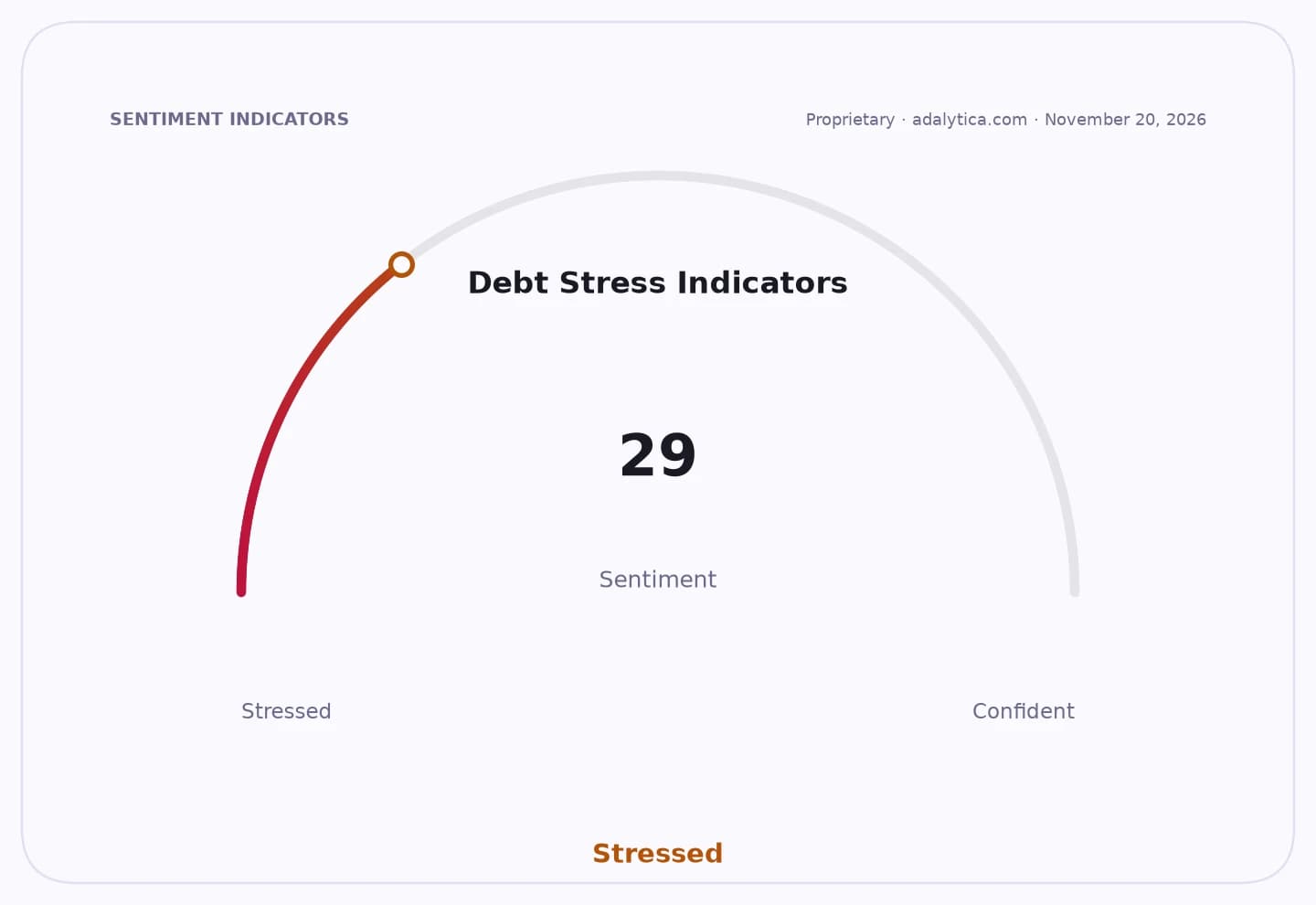
Brussels is imposing tougher rules on buy now, pay later and other small consumer loans from Nov. 20, forcing lenders and payment firms to check borrowers’ creditworthiness before deals are approved in an effort to curb rising household debt.
EU Tightens BNPL Rules From Nov. 20
The move matters because BNPL has become a fast-growing form of short-term borrowing that can look harmless at the point of sale but add up quickly across multiple purchases. By bringing even loans below 200 euros under stricter oversight, the European Union is signaling that regulators want these products treated more like credit, not just a checkout convenience.
Sentiment Indicators
For lenders, the new regime raises compliance costs and could slow loan approvals, especially for younger consumers and frequent online shoppers who have been the heaviest users of installment plans. Merchants that rely on frictionless payment flows may also see lower conversion rates if more buyers are turned away or delayed during the credit check.
The biggest pressure falls on payment providers and BNPL specialists such as Klarna and PayPal, which have built businesses around instant financing at the point of sale. Their models depend on high-volume, low-ticket lending, and the requirement to assess credit risk before completion could trim growth and increase the burden of losses from missed payments.
Investors have already been treating the sector as a regulatory-sensitive corner of fintech. Shares of Affirm, a closely watched BNPL player, have swung sharply in recent months and closed at $56.91 on Nov. 19, while PayPal ended the session at $56.37, leaving both below recent highs as traders weigh growth against tightening oversight.
The new rules also fit a broader consumer backdrop of still-elevated prices and fragile confidence. Euro-area households have been squeezed by years of higher living costs, and regulators are moving to prevent small recurring debts from snowballing into broader financial strain.
For investors, the key question is whether the rule change slows BNPL adoption enough to pressure transaction volume while improving credit quality over time. The next catalyst is how quickly national regulators and lenders implement the new checks — and whether the toughest compliance burden hits the fastest-growing lenders first.
| Entity | Gains | Losses |
|---|---|---|
| EU regulators | ▲stronger consumer protection | ▼lighter-touch lending growth |
| Borrowers | ▲less debt accumulation | ▼fewer instant approvals |
| Klarna, PayPal, Affirm | ▲better credit discipline long term | ▼slower BNPL growth, higher compliance costs |
| Merchants | ▲fewer bad debts | ▼lower checkout conversion |