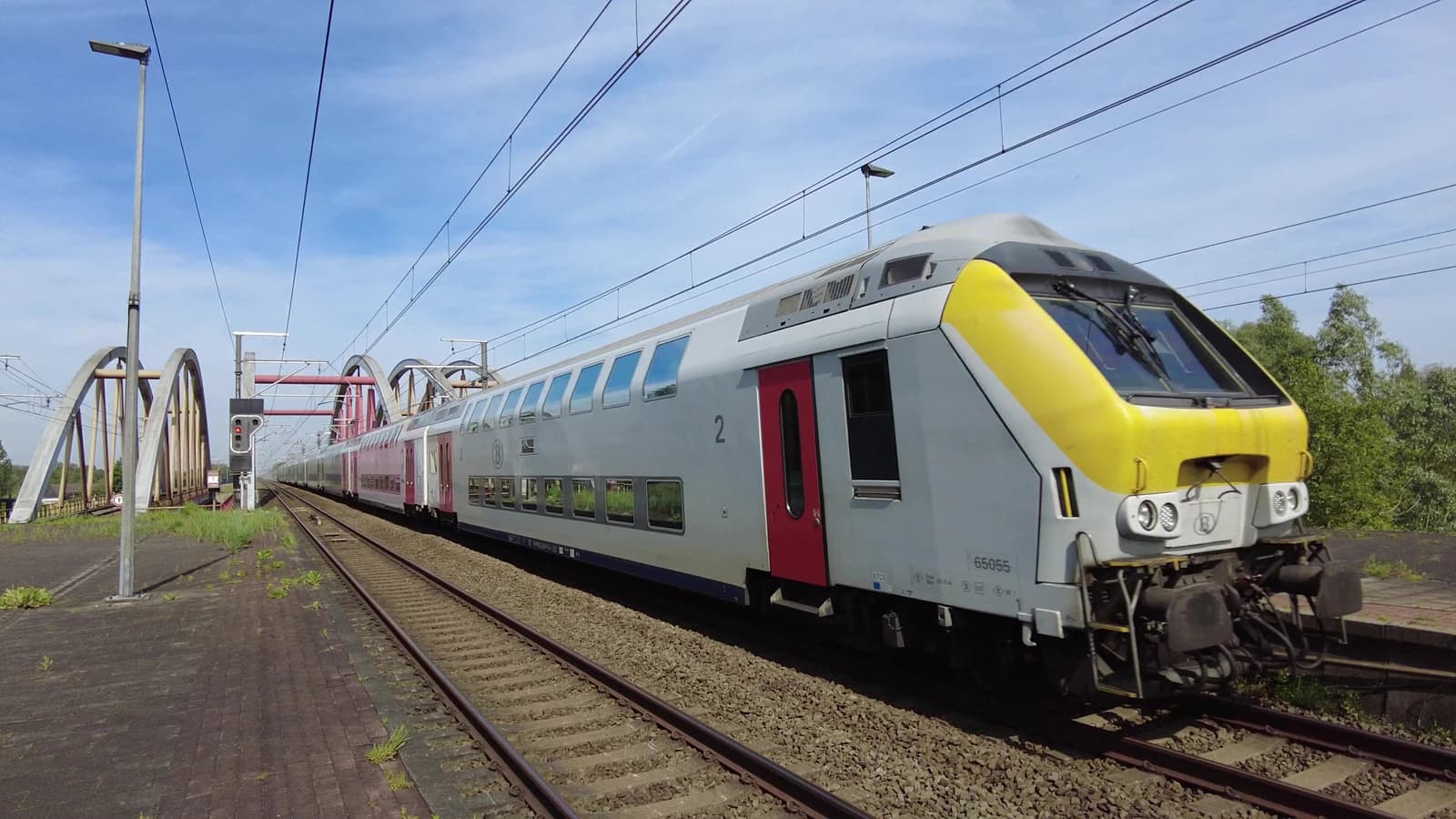
The European Union has opened applications for more than 40,000 free travel passes for 18-year-olds, using its DiscoverEU scheme to encourage young Europeans to move across the bloc by rail and other low-emission transport.
EU opens 40,000 DiscoverEU travel passes for 18-year-olds
The initiative matters because it is more than a summer-style travel perk: it is a small but visible piece of Brussels’ broader effort to strengthen European identity, support youth mobility and steer travel toward more sustainable modes. For a generation facing tighter budgets, high living costs and uneven economic opportunities across member states, a subsidized pass can make cross-border travel materially more accessible.
Applications are open until Oct. 15, with eligible candidates born between Jan. 1 and Dec. 31, 2008 able to apply through the EU’s youth portal. Successful applicants can travel for up to seven days over a one-month period between March 1, 2027 and May 31, 2028, and will also receive a discount card covering accommodation, culture, sports, local transport and other services.
That combination turns the program into an economic stimulus of sorts for youth tourism. Train operators, hostels, museums, local attractions and city transit providers all stand to benefit from a cohort of first-time or repeat cross-border travelers whose spending is likely to be concentrated in rail corridors and urban destinations. The policy also aligns with the EU’s push to cut transport emissions, since rail is positioned as the preferred mode for the scheme.
For investors, the direct market impact is limited, but the policy reinforces a longer-term theme: Europe is trying to shape travel demand toward rail and away from more carbon-intensive alternatives. That supports the strategic case for operators, stations, rail-adjacent services and tourism businesses that can capture younger travelers, even if the program itself is too small to move sector revenues on its own.
The bigger read-through is political. In a period when the EU is trying to show relevance to younger voters and consumers, DiscoverEU is a visible, low-cost way to deliver a tangible benefit while promoting cross-border integration. The program’s cultural routes — including cities such as Cork, Valletta and Lyon — also underscore how Brussels is using travel to reinforce common European themes around heritage, accessibility and mobility.
For markets, the question is not whether 40,000 passes move earnings, but whether Europe’s policy mix continues to favor rail, youth travel and local tourism over competing forms of transport and leisure spending. That is the direction DiscoverEU points to, and it is likely to remain supportive for rail-linked travel demand and destination operators that cater to budget-conscious young consumers.
| Entity | Gains | Losses |
|---|---|---|
| 18-year-old travelers | ▲Free cross-border travel | ▼Higher out-of-pocket costs |
| EU rail and tourism sectors | ▲More youth demand | ▼Competing low-carbon travel alternatives |
| Local hotels, museums, transit | ▲Incremental spending | ▼Missed youth traffic if not included |
| Airlines and car travel | ▲— | ▼Relative share of youth travel demand |