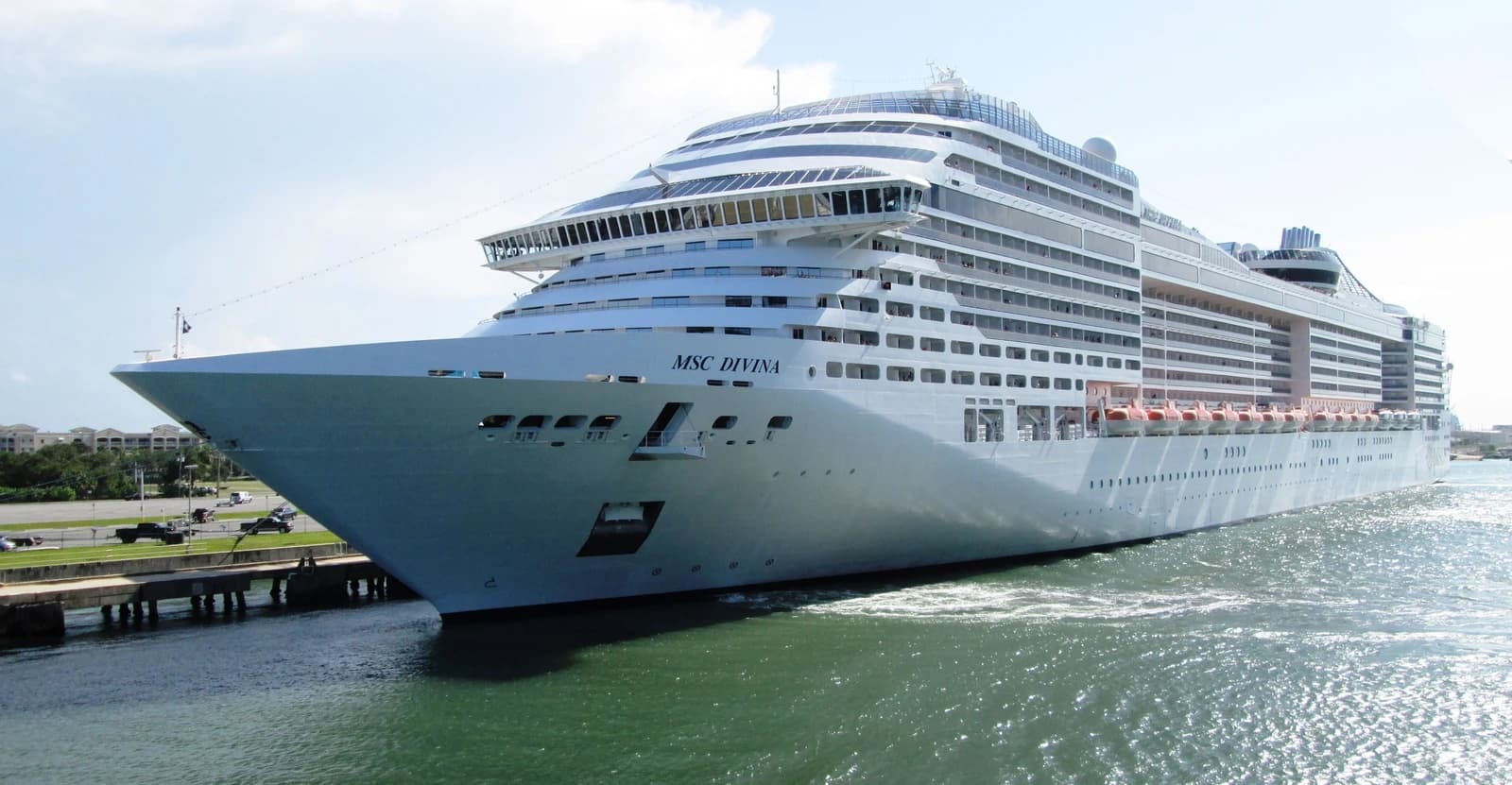
Barcelona is moving to sharply raise the tourist tax on cruise passengers who spend less than 12 hours in the city, a policy shift that could materially lift costs for cruise lines and underscore Europe’s broader push to curb overtourism.
Barcelona to Raise Cruise Passenger Tourist Tax
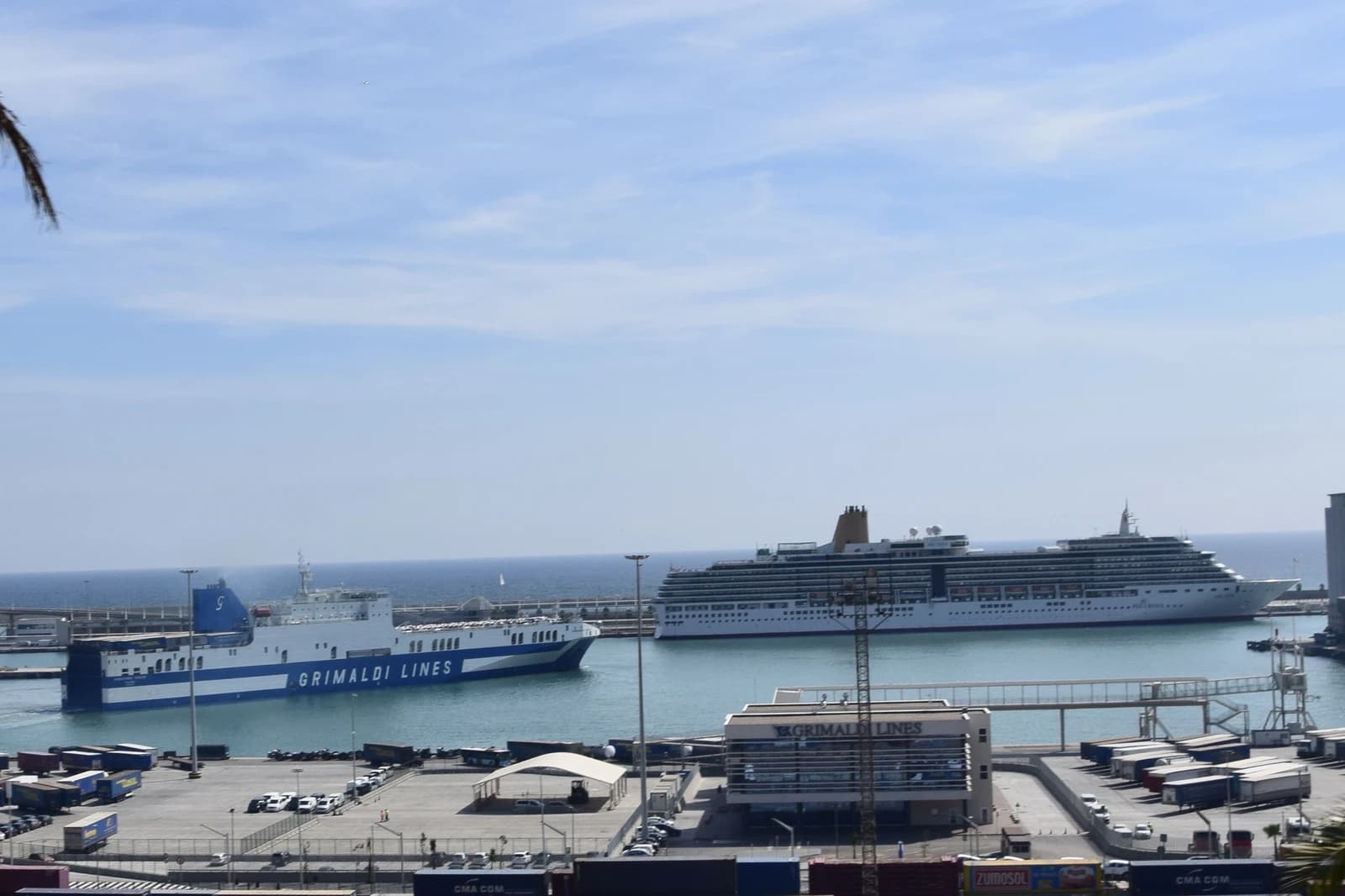
The Barcelona City Council gave initial approval to increase the fee from €5 to the €24 ceiling allowed under Catalan law, with the change to be phased in through 2030. That would make Barcelona’s levy one of the steepest in the Mediterranean and could become a template for other ports trying to extract more revenue from day-trippers without overnight stays.
Sentiment IndicatorsⓘProprietary · adalytica.com · October 1, 2026
This is a snapshot — live sentiment, awareness and momentum for 130+ markets update continuously in the dashboard.Open AlphaPulse
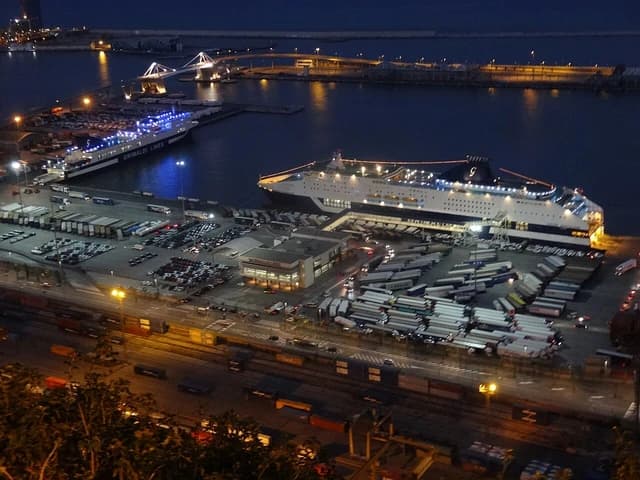
For the city, the move is a fiscal response to a tourism model that has strained transport, public space and local services. Deputy Mayor for Economy Jordi Valls said Barcelona has reached the limit of its tourism capacity and argued the cruise sector should take greater responsibility for municipal finances. The council framed the rollout as a way to provide “clarity and certainty” over several years rather than impose an abrupt hit.
For cruise operators, the economics are more direct. Barcelona is one of the Mediterranean’s busiest turnaround and transit ports, and higher per-passenger charges can feed into ticket prices, shore-excursion economics and the attractiveness of itineraries that rely on short port calls. The policy also comes on top of a wider tightening of tourism taxes and local levies across Europe, where popular destinations are under pressure to show residents that tourism revenues offset the costs of crowding.
The biggest listed cruise groups — Royal Caribbean, Norwegian Cruise Line and Carnival — have spent the past year benefiting from resilient demand and strong onboard spending, but the Barcelona decision adds another layer of cost pressure in a region central to their summer schedules. Royal Caribbean shares have recently traded above their 200-day moving average, while Norwegian remains below it, reflecting a market that still sees earnings power but is increasingly sensitive to margin risks and policy headwinds. Carnival has also given back some of its earlier gains, suggesting investors are not fully discounting regulatory and tax risk.
The measure is also politically notable because Barcelona rejected a separate proposal to raise a property tax aimed at leisure and hospitality businesses with the highest cadastral values, indicating the council prefers to target visitors directly rather than broaden the burden on local operators. Hostel surcharges were frozen at €4, reinforcing the city’s selective approach to tourism taxation.
The longer the phase-in period, the more likely cruise lines can absorb or pass through part of the cost. But the direction of travel is clear: European port cities are no longer treating cruise traffic as an unqualified growth engine. For investors, the key question is whether Barcelona becomes an isolated case or part of a wider policy shift that chips away at the profitability of short-stop Mediterranean itineraries.
| Entity | Gains | Losses |
|---|---|---|
| Barcelona city government | ▲Higher tourism revenue | ▼Less political pressure on services |
| Cruise passengers in transit | ▲— | ▼Higher fees by 2030 |
| Cruise lines | ▲Gradual rollout gives time to adjust | ▼Higher port-call costs |
| Local residents | ▲Relief from overtourism burden | ▼— |