Cyprus is getting a useful reminder that its economy can still grow even when visitors stay slightly less time: tourists are spending more, inflation has snapped higher and airlines are adding routes that deepen the island’s ties to Europe.
Cyprus tourism revenue rises as inflation jumps
That matters because Cyprus is trying to balance two very different forces at once. On one hand, tourism remains a crucial engine for services, jobs and foreign exchange. On the other, the recent jump in inflation shows how exposed the country is to imported energy shocks and how quickly household purchasing power can be squeezed when those costs rise.
Sentiment IndicatorsⓘProprietary · adalytica.com · October 4, 2026
This is a snapshot — live sentiment, awareness and momentum for 130+ markets update continuously in the dashboard.Open AlphaPulse

The clearest sign of resilience came from the tourism data. July revenue climbed to €536.5 million as average spending per visitor rose 5.7% to €920.66, even though arrivals slipped to 582,754 from 589,116 and the average stay shortened to 8.6 days from nine. Spend per day still improved to €107.05 from €96.75, which is exactly the kind of shift investors and policymakers want to see in a mature tourism market: less dependence on sheer volume, more on quality and yield.
That pattern strengthens the case for Cyprus’ push into niche tourism, including walking, food and conference travel. For long-term investors, the message is that the island’s travel sector is not standing still. It is trying to move up the value chain, which can support hotel margins, restaurant revenue, transport demand and broader consumer spending even when visitor numbers are flat or softer.
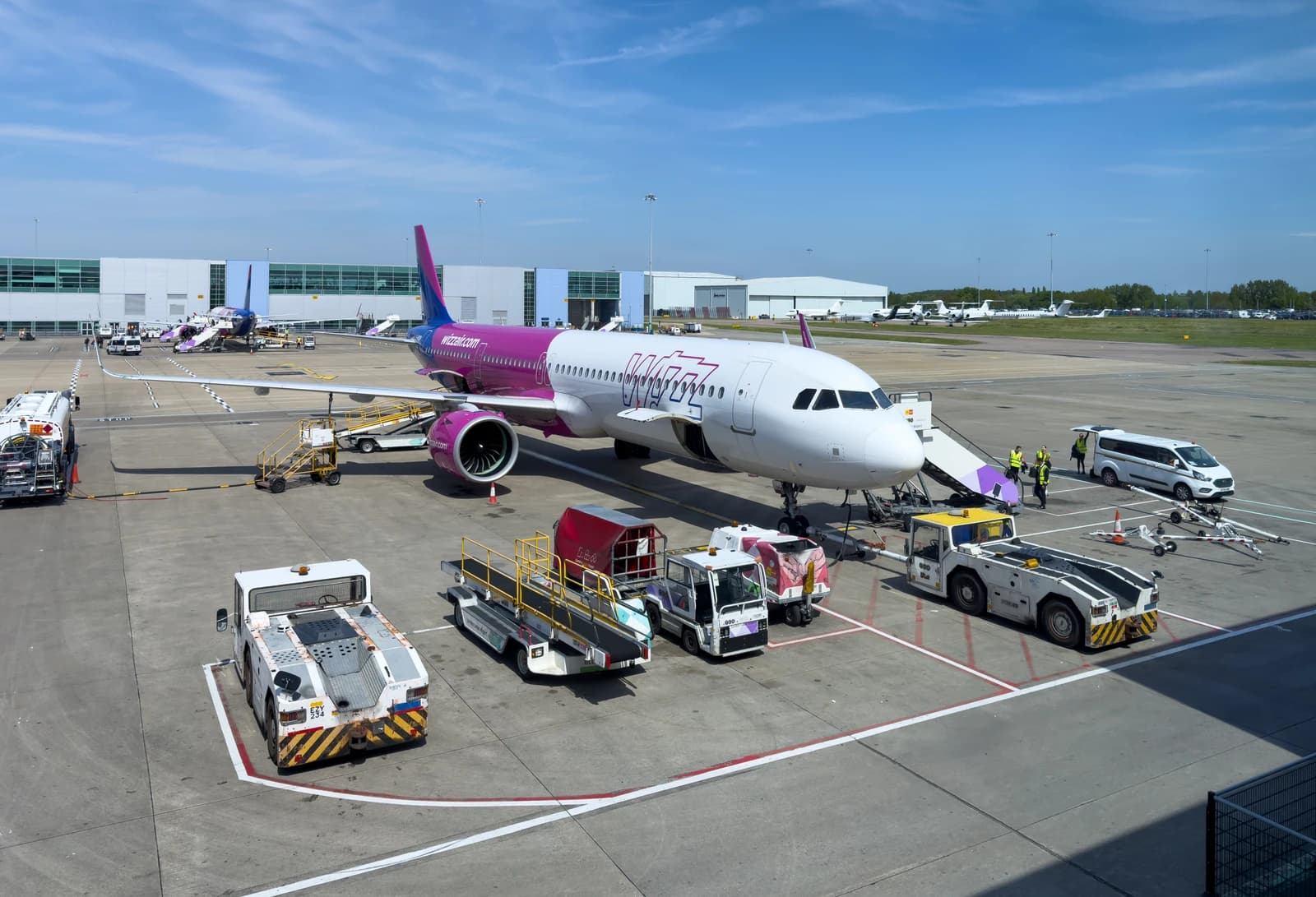
Wizz Air’s new Madrid service from Larnaca fits that same story. More nonstop links make Cyprus easier to reach for European travellers and more useful as a base for Cypriot residents and businesses. For airlines, route expansion into an island market is usually about tapping steady year-round demand rather than chasing one-off peaks. For Cyprus, it is a small but important sign that connectivity remains a competitive advantage, especially as the island markets itself as a year-round destination rather than a purely seasonal one.
The inflation backdrop is the caution flag. A Cyprus National Economic Council presentation said the country moved from the lowest inflation rate in the European Union in 2025 to the third-highest in August 2026, with prices rising to 5.2% from 0.8% on average last year. The rapid reversal underscores how vulnerable a small, import-dependent economy can be when energy markets move against it. That is not just a macro statistic; it affects wage demands, consumer confidence, retail spending and the cost structure for hotels, airlines and real estate.
And real estate is another piece of the same puzzle. Cyprus house prices rose 2.4% in the second quarter from the first, outpacing the EU and euro area. Stronger tourism flows, better air links and a still-firm labor market tend to support property demand, particularly in coastal and urban areas such as Limassol and Larnaca. For investors, that can be good news for developers, landlords and service businesses tied to relocation, leisure and foreign buyers — though higher inflation and interest rates can quickly cool affordability.
The broader investment takeaway is that Cyprus looks more like a compounding story than a headline trade. Tourism is holding up, connectivity is improving and property values are still climbing. But the inflation shock is a reminder that the island’s growth remains sensitive to energy, geopolitics and imported costs. If you are a long-term investor, that argues for favoring businesses with pricing power, exposure to high-value visitors and a role in Cyprus’ structural growth, while keeping an eye on sectors most exposed to rising costs. In other words, the island still looks worth watching — and, for patient investors, worth owning selectively over the long term.
| Entity | Gains | Losses |
|---|---|---|
| Cyprus tourism operators | ▲Higher spend per visitor | ▼Slightly fewer arrivals |
| Wizz Air / airlines | ▲New route demand | ▼Price-sensitive travellers |
| Property owners / developers | ▲Rising house prices | ▼First-time buyers |
| Consumers / households | ▲Better connectivity | ▼Higher inflation |