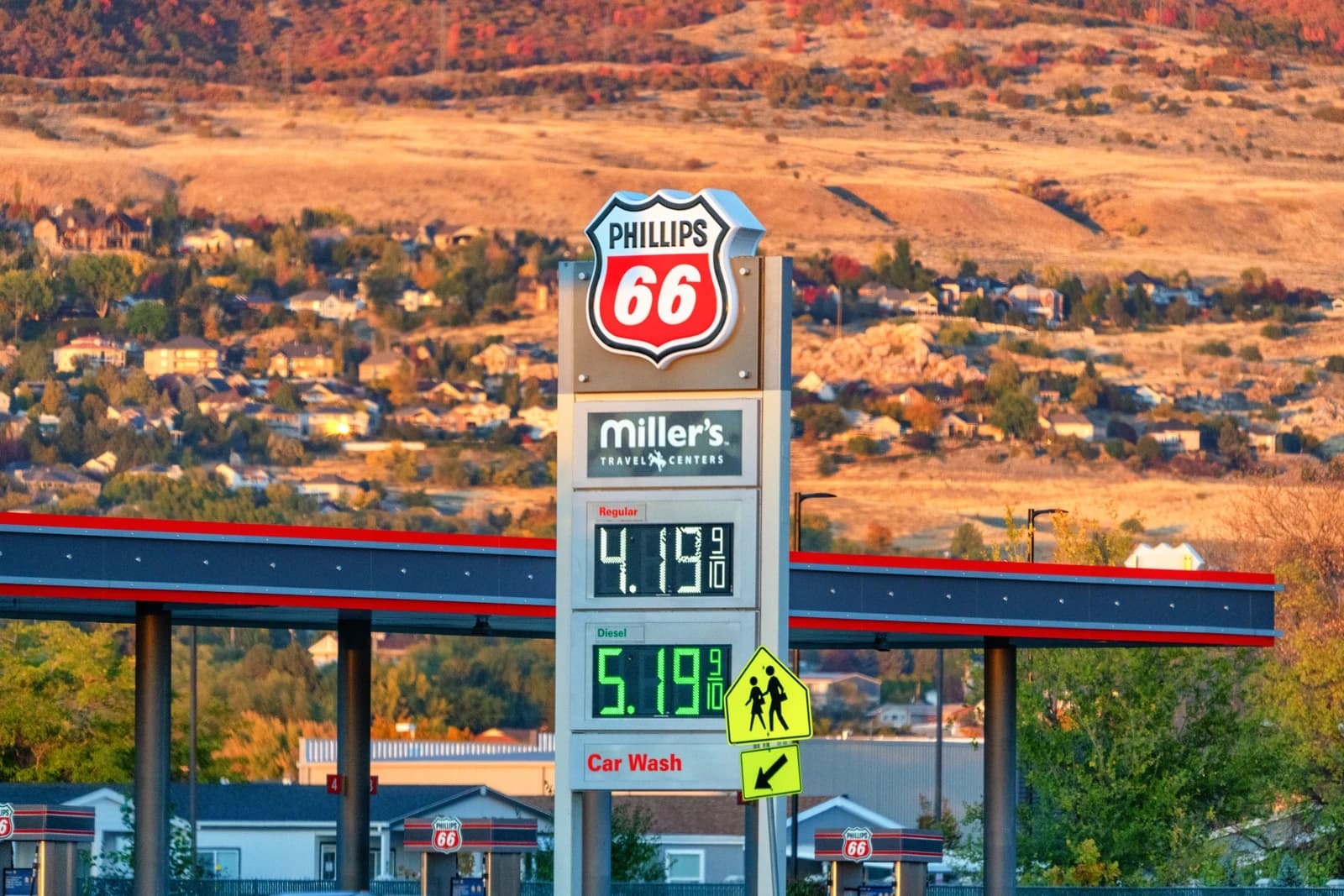
European lawmakers are pressing the EU to approve E20 gasoline, a higher-ethanol fuel blend that could lower pump prices modestly while redirecting demand toward bioethanol producers and away from conventional gasoline refiners.
EU lawmakers push E20 gasoline blend approval
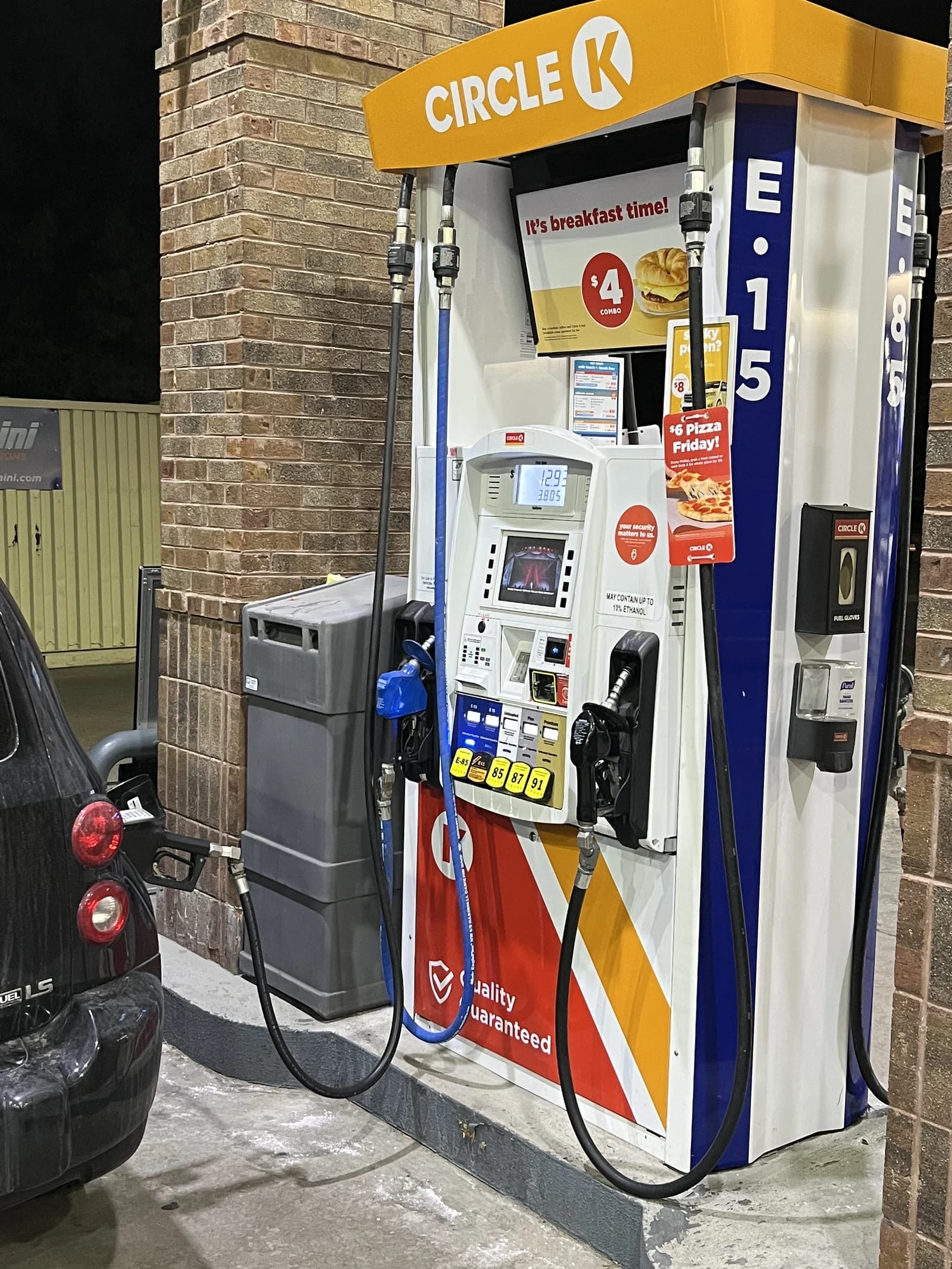
The debate matters because it sits at the intersection of consumer inflation, energy policy and industrial margins. A move to E20 would increase the ethanol content in gasoline from the current standard blend, giving policymakers a tool to trim fuel costs at the margin and reduce reliance on fossil fuel components. It would also create a larger market for agricultural and biofuel supply chains at a time when Europe is looking for ways to stabilize energy costs without adding to fiscal spending.
Sentiment Indicators
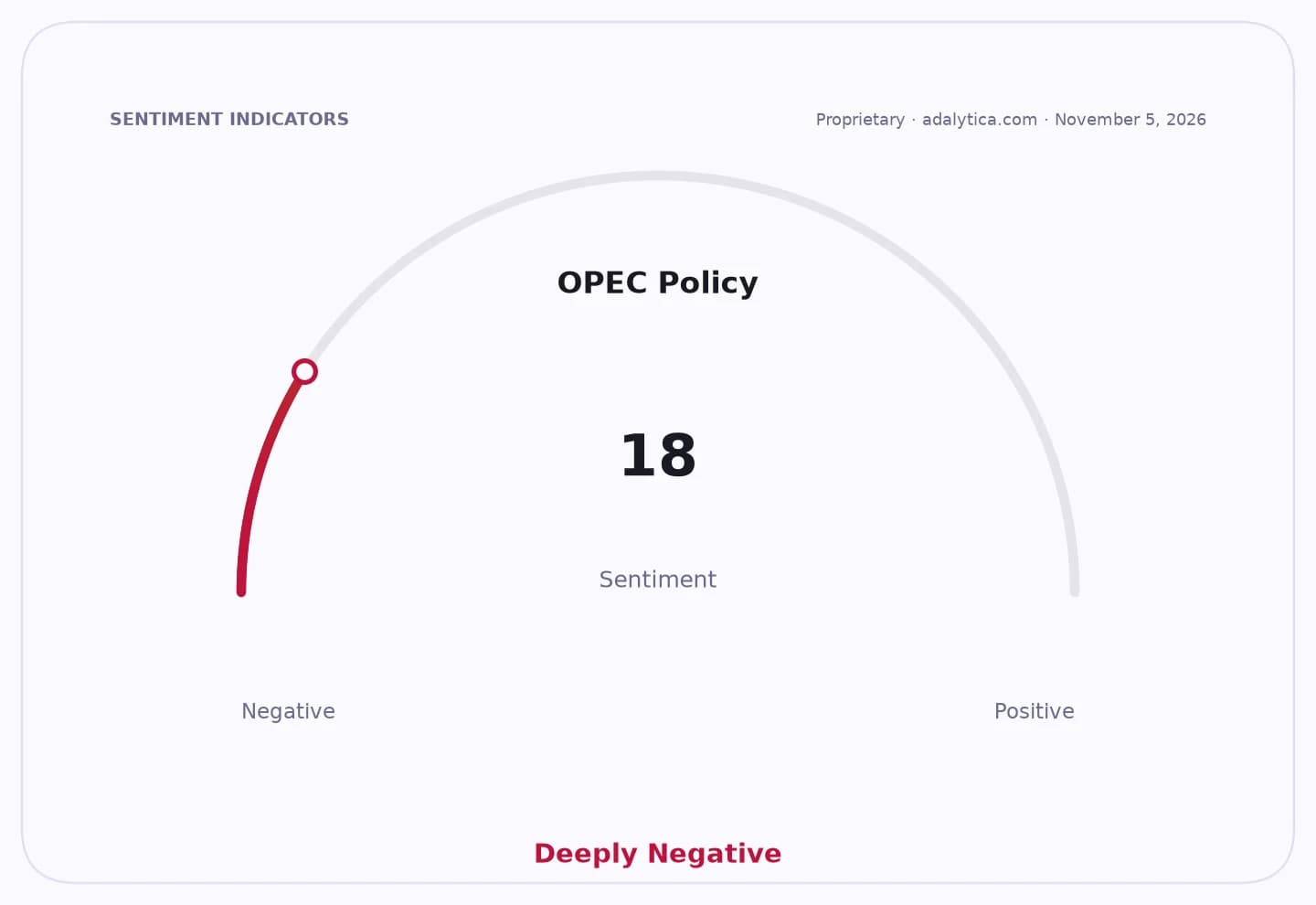
The push is being led by three members of the European Parliament, according to the German report, and comes as Europe faces a broader fuel-market backdrop shaped by volatile crude prices and uneven regional supply. Adalytica’s WTI oil trade signals show sentiment in oil remains elevated at 79, labeled “Greed,” even as awareness sits at “Extreme Fear,” underscoring how fragile the market backdrop remains. In that setting, any policy that lowers the gasoline component of retail fuel could gain traction with households and governments under pressure from transport costs.
For investors, the stakes are uneven. Ethanol producers and agricultural processors stand to benefit if E20 expands blending demand. U.S.-listed Archer-Daniels-Midland, which has already pointed to stronger renewable fuel blending economics in its filings, would be among the companies with exposure to higher biofuel demand if similar policies spread or deepen across major markets. Refiners, by contrast, could face some pressure on gasoline pool economics if higher-ethanol blends reduce the volume of petroleum-derived blendstock needed per litre sold.
Valuation and positioning in related names reflect that tension. Valero and Marathon Petroleum have both rallied sharply this year, but the recent pullback in technical readings — with shares off recent highs and momentum indicators cooling from overbought levels — suggests investors are already weighing how much of the pro-refining cycle is priced in. A structural shift toward E20 would not erase refining demand, but it could cap one source of margin support over time if adopted more broadly.
The main question is implementation. E20 would require compatibility checks across vehicles, fuel standards and infrastructure, and resistance is likely from automakers, fuel distributors and some refiners if costs rise or warranties become an issue. Supporters will argue the blend is a practical way to nudge prices lower and absorb excess ethanol production. Opponents will say the benefit at the pump is limited and that the costs of changing standards could outweigh the gains. For investors, the policy signal matters now because it points to a more durable shift in Europe’s fuel mix — one that could slowly reprice winners and losers across refining, agriculture and biofuels.
| Entity | Gains | Losses |
|---|---|---|
| Bioethanol producers | ▲Higher blending demand | ▼Less excess supply |
| Farmers/ADM | ▲Stronger ethanol economics | ▼Weaker surplus pricing |
| Refiners/VLO/MPC | ▲Status quo demand | ▼Lower gasoline blendstock demand |
| Consumers/EU policymakers | ▲Potentially lower fuel costs | ▼Transition and compliance costs |