Employment in the European Union climbed to 76.4% in the second quarter, but Bulgaria moved in the opposite direction, easing to 76.8% as the bloc’s labor market remained uneven rather than uniformly strong.
EU Employment Rises to 76.4% in Q2, Bulgaria Slips
That matters because jobs are the engine behind household spending, tax receipts and, ultimately, corporate revenues. A higher employment rate across the EU suggests the region is still generating income even in a period of slower growth, helping to cushion consumers and supporting the case for a more resilient economy than many investors feared earlier this year.
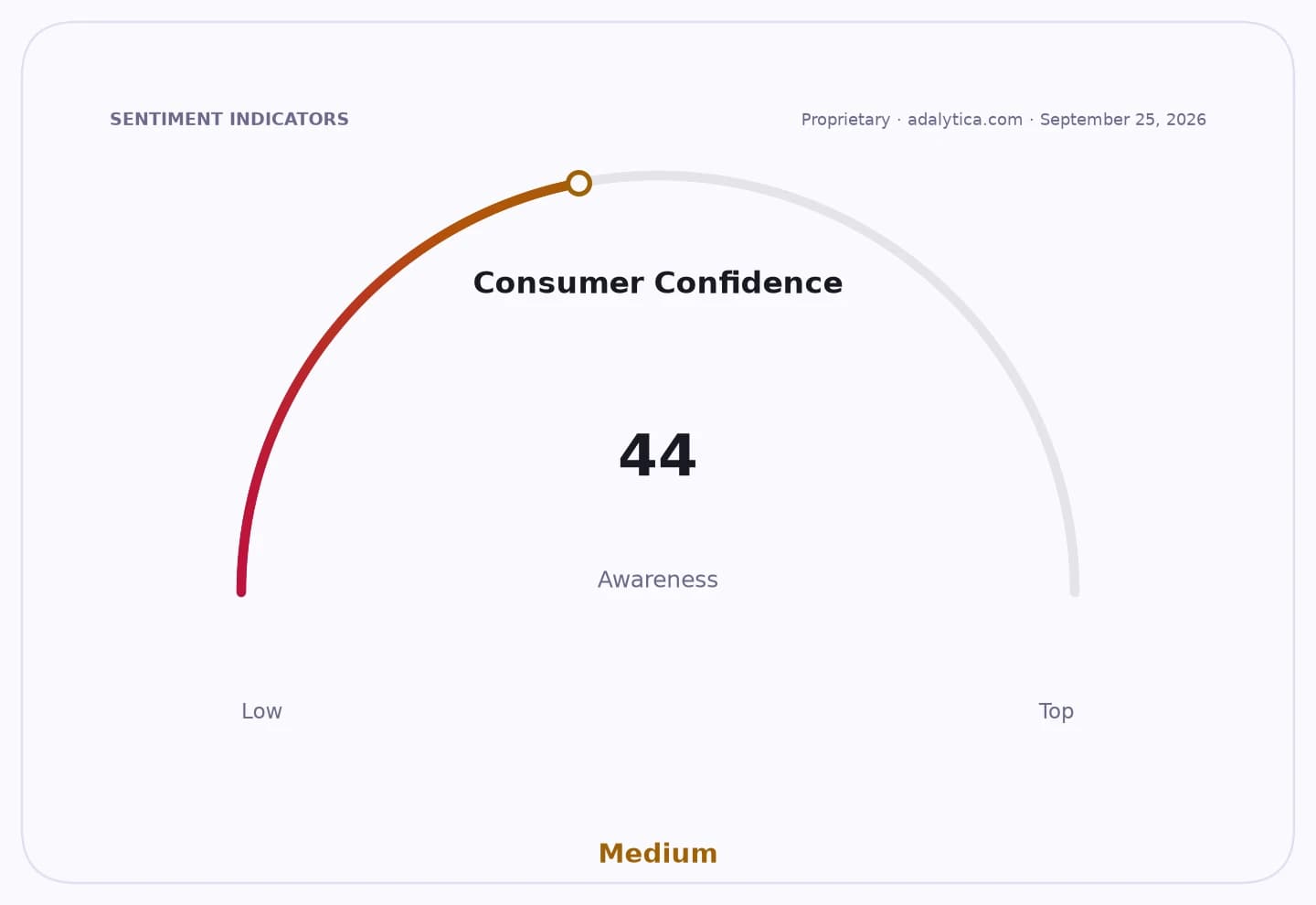
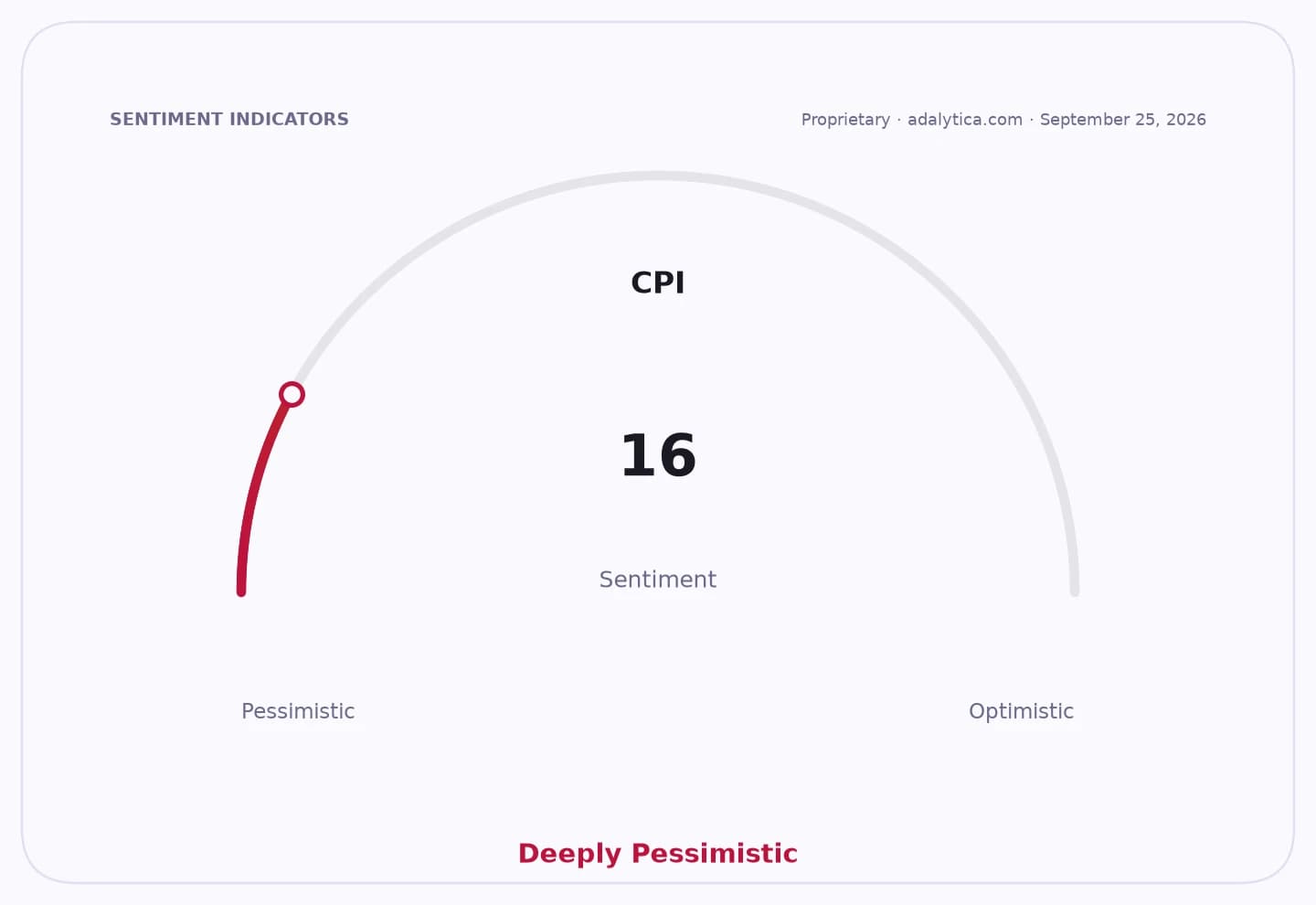
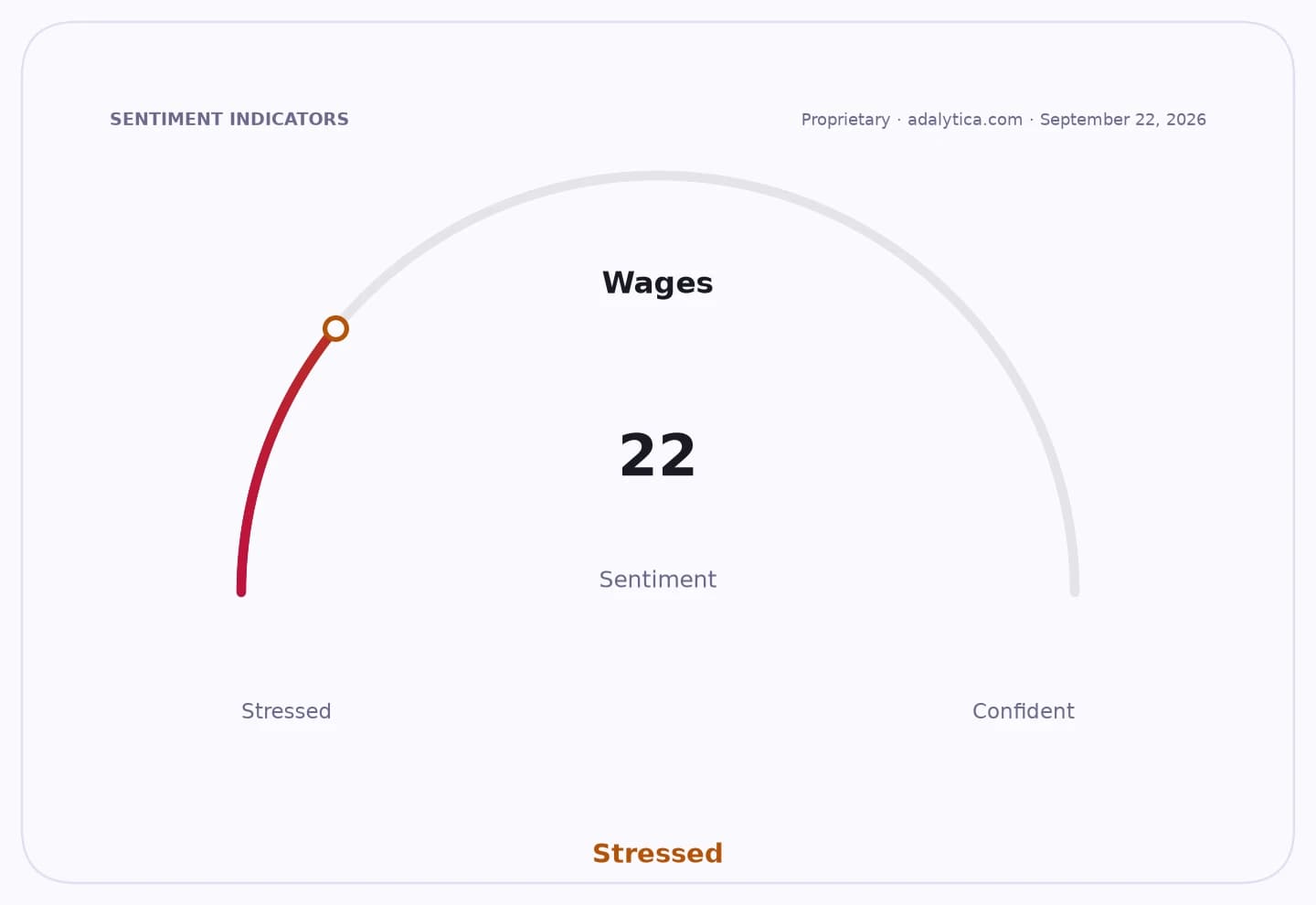
Sentiment IndicatorsⓘProprietary · adalytica.com · September 13, 2026
This is a snapshot — live sentiment, awareness and momentum for 130+ markets update continuously in the dashboard.Open AlphaPulse
Bulgaria’s slip is still modest, but it is worth watching. Eurostat also said the country’s unused labor potential rose to 5% of the expanded labor force from 4.8% in the prior quarter, even as the EU-wide figure stayed unchanged at 11%. In plain terms, that means more people in Bulgaria are either looking for work, underemployed or not fully absorbed into the labor market, which can restrain wage pressure and leave domestic demand a little softer at the margin.
For investors, this kind of data matters less as a trading trigger and more as a map of economic durability. Countries with tighter labor markets usually support stronger retail sales, healthier bank lending and better earnings visibility for domestically oriented companies. By contrast, a cooling employment rate can weigh on insurers, consumer names and lenders with exposure to household demand. The European picture remains supportive overall, but the variation by country shows why stock selection still matters.
There is also a currency angle. The euro tends to benefit when the market believes the region can keep growing without a sharp deterioration in jobs. A stable labor backdrop does not guarantee a stronger currency, but it helps prevent the kind of growth scare that often weakens it.
The bigger investing takeaway is simple: Europe is not one single economy. The EU’s 76.4% employment rate points to resilience, yet Bulgaria’s decline and the rise in unused labor potential show that recovery is still patchy. For long-term investors, that argues for patience, diversification and a focus on companies with pricing power, solid cash flow and exposure to the stronger parts of the European economy. Worth watching, not chasing.
| Entity | Gains | Losses |
|---|---|---|
| EU households | ▲steadier income | ▼weaker labor slack |
| EU employers | ▲firmer demand base | ▼tighter hiring market |
| Bulgarian workers | ▲eventual policy focus | ▼softer employment rate |
| Consumer-facing investors | ▲resilient spending trends | ▼uneven country exposure |