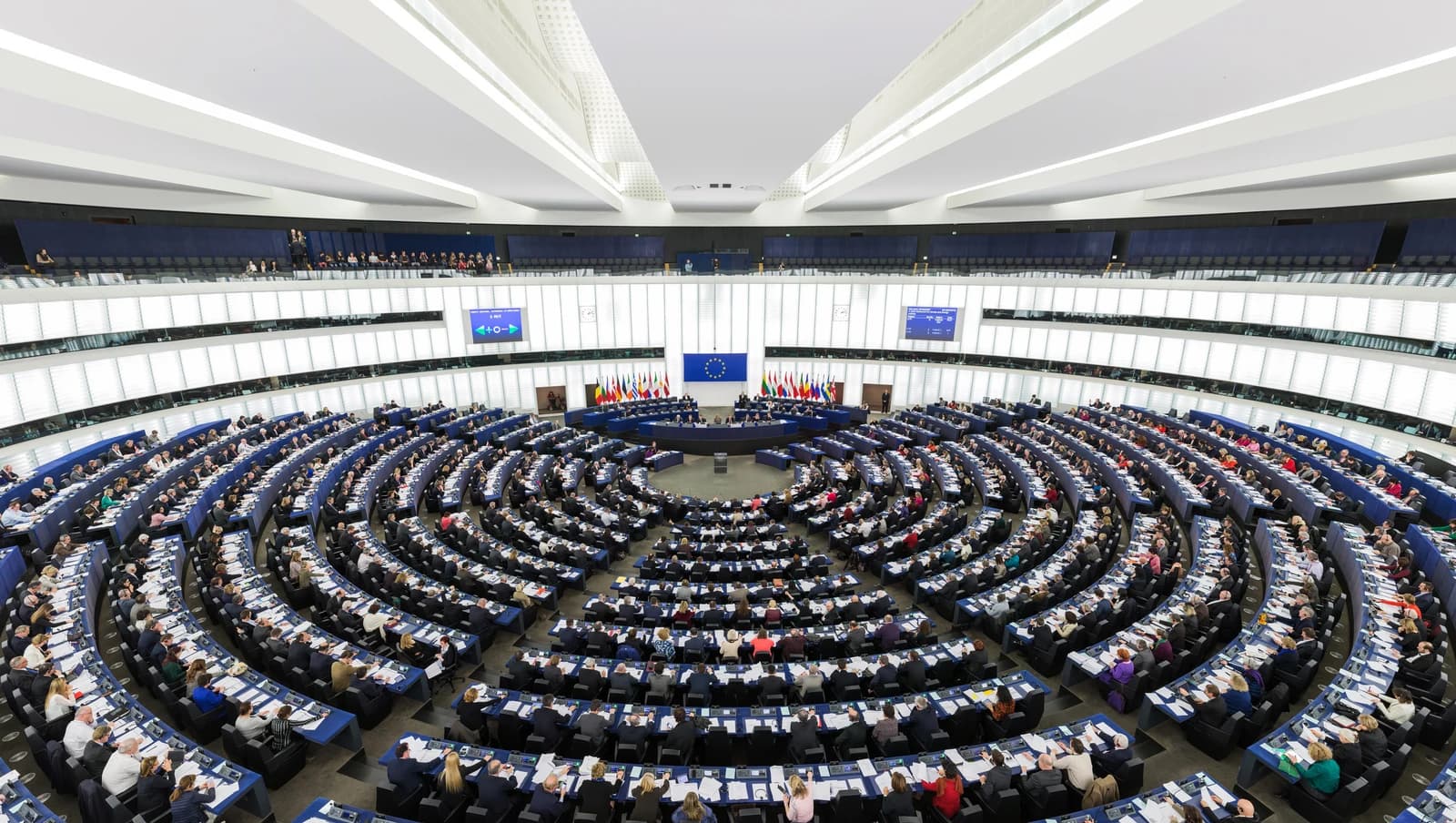
Europe’s far right is laying the groundwork for a 2029 bid to reshape EU institutions from within, betting that a string of national election wins will turn a loose alliance of nationalist parties into a bloc strong enough to force changes in Brussels.
EU far right plans 2029 push for Brussels influence
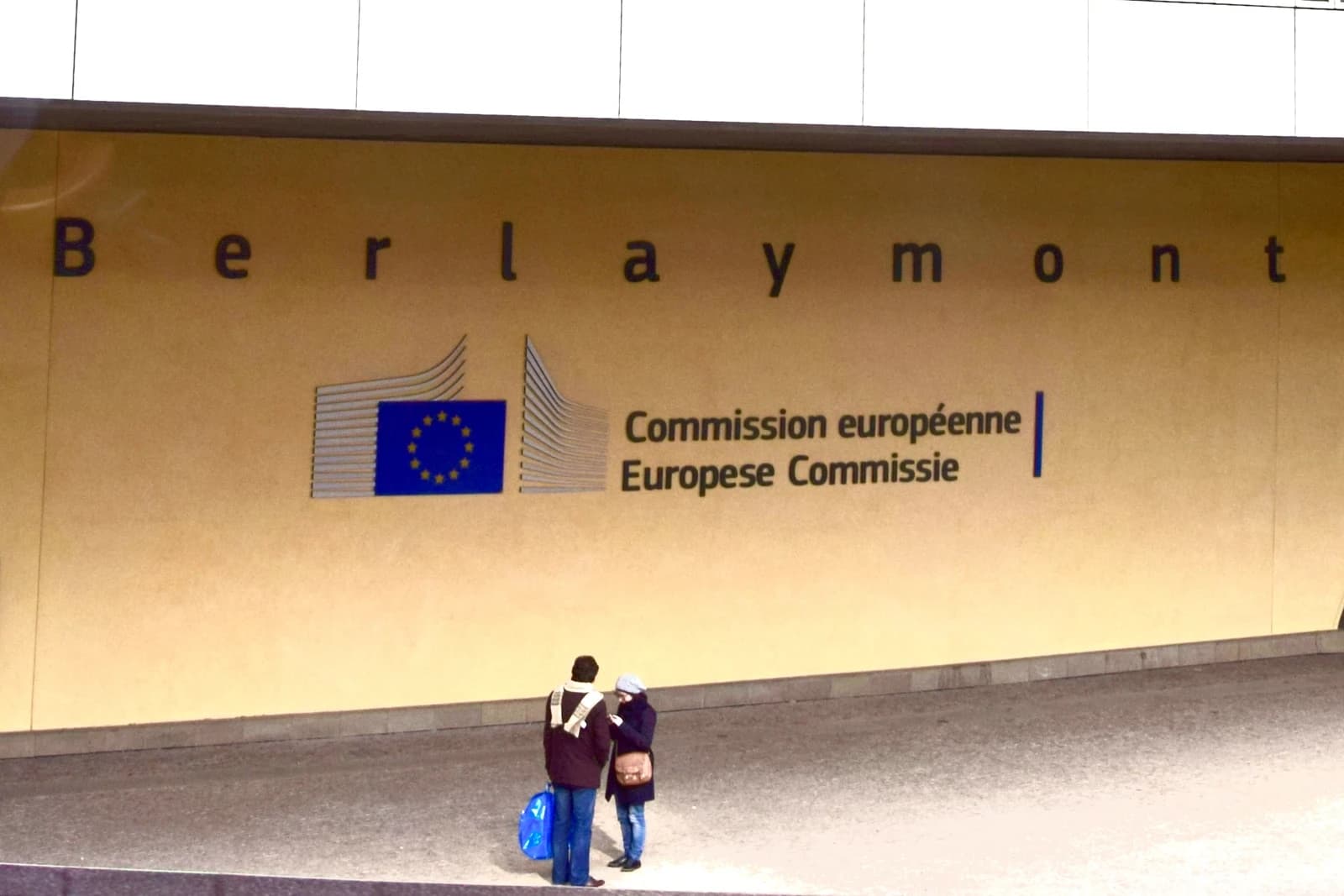
The strategy matters because it targets the European Parliament, the European Commission and ultimately the balance of power inside the bloc’s policymaking core. If parties from France, Italy, Spain, Poland and elsewhere expand their national influence, they could coordinate more effectively in Brussels, weaken pro-integration forces and shift EU policy toward tougher borders, looser climate rules and a stronger role for member states.
Sentiment Indicators
Geopolitical Risk
Kinga Gál, the Hungarian MEP who now co-leads the Patriots for Europe group with Jordan Bardella, said the immediate goal is to help member parties win power at home, then translate that into leverage at the European level. She said the ideal outcome would be for the Patriots, the European Conservatives and Reformists and the Europe of Sovereign Nations to eventually merge into a “massive” bloc, though she stressed any cooperation would have to come step by step.
The remarks underscore how the far right is moving beyond protest politics and trying to build a governing network across the EU. Gál, who is from Viktor Orban’s Fidesz party, said the “firewall” once used in Brussels to isolate the far right has already been breached, as the mainstream European People’s Party has passed key legislation with support from nationalist lawmakers.
That shift matters for investors because a more fragmented and nationalist EU could mean slower or more uneven policymaking on trade, energy, migration and regulation. It also raises the odds of policy volatility ahead of major national votes in France, Italy and Poland, with Spain heading to the polls first in a contest that could also alter the parliamentary arithmetic in Madrid.
Gál said the Patriots’ priorities remain tighter migration and border controls, support for economic growth and lower energy costs, while their larger objective is to curb the European Commission’s powers and return competencies to national capitals. She also did not rule out a proposal from Alternative for Germany leader Alice Weidel to scrap direct elections to the European Parliament and replace elected lawmakers with delegates appointed by national parliaments.
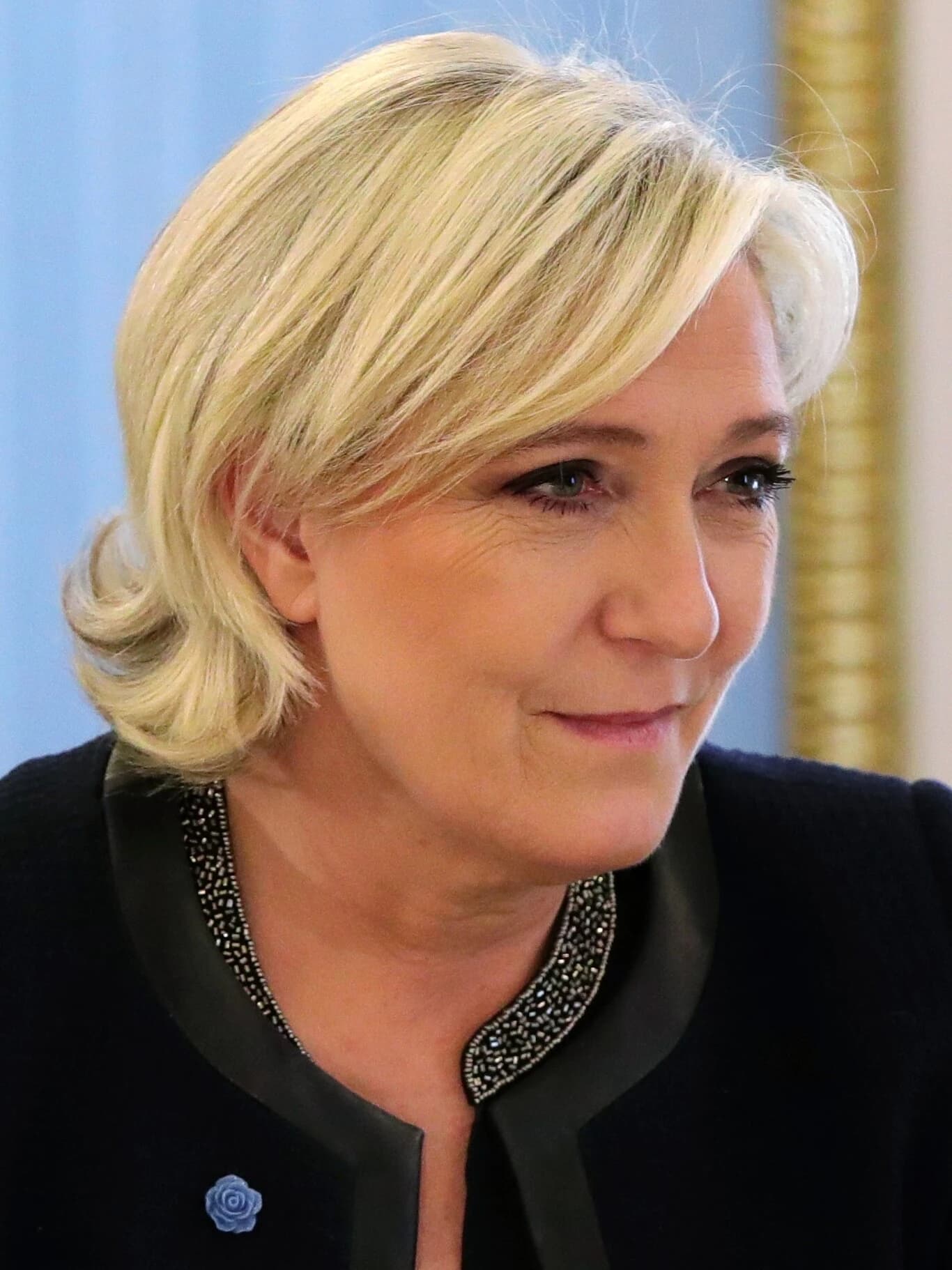
The political backdrop has already been shifting. The European People’s Party has relied on far-right votes on some legislation, and Gál said the bloc is likely to abandon the firewall entirely in coming years. She also voiced confidence that Vox could enter government in Spain, that Marine Le Pen could become French president in May and that Poland’s Law and Justice could return to power in 2027.
For markets, the immediate read-through is not a single tradeable event but a slow-moving rise in sovereign risk around EU policy coordination, especially if national governments become more assertive in Brussels. The euro and European assets often react less to ideology than to institutional stability, and the prospect of a stronger anti-federal bloc argues for a bumpier policy path into the next European election cycle.
Adalytica’s Global Stability Sentiment sits at 7, labeled “Extreme Fear,” while its Euro Trade Signals show “Extreme Fear” sentiment at 5, reflecting the broader market discomfort around geopolitical and institutional strain.
The next catalysts are Spain’s vote, followed by elections in France, Italy and Poland, which will determine whether the far right’s Brussels campaign remains aspirational or becomes a route to real power inside the EU.
| Entity | Gains | Losses |
|---|---|---|
| Patriots for Europe | ▲Bigger Brussels influence | ▼Institutional firewall |
| Nationalist parties in France, Italy, Spain, Poland | ▲Chance to enter government | ▼Mainstream centrist rivals |
| European People’s Party | ▲Legislative flexibility | ▼Clear distance from far right |
| EU Commission and federalists | ▲— | ▼Stronger national capitals |