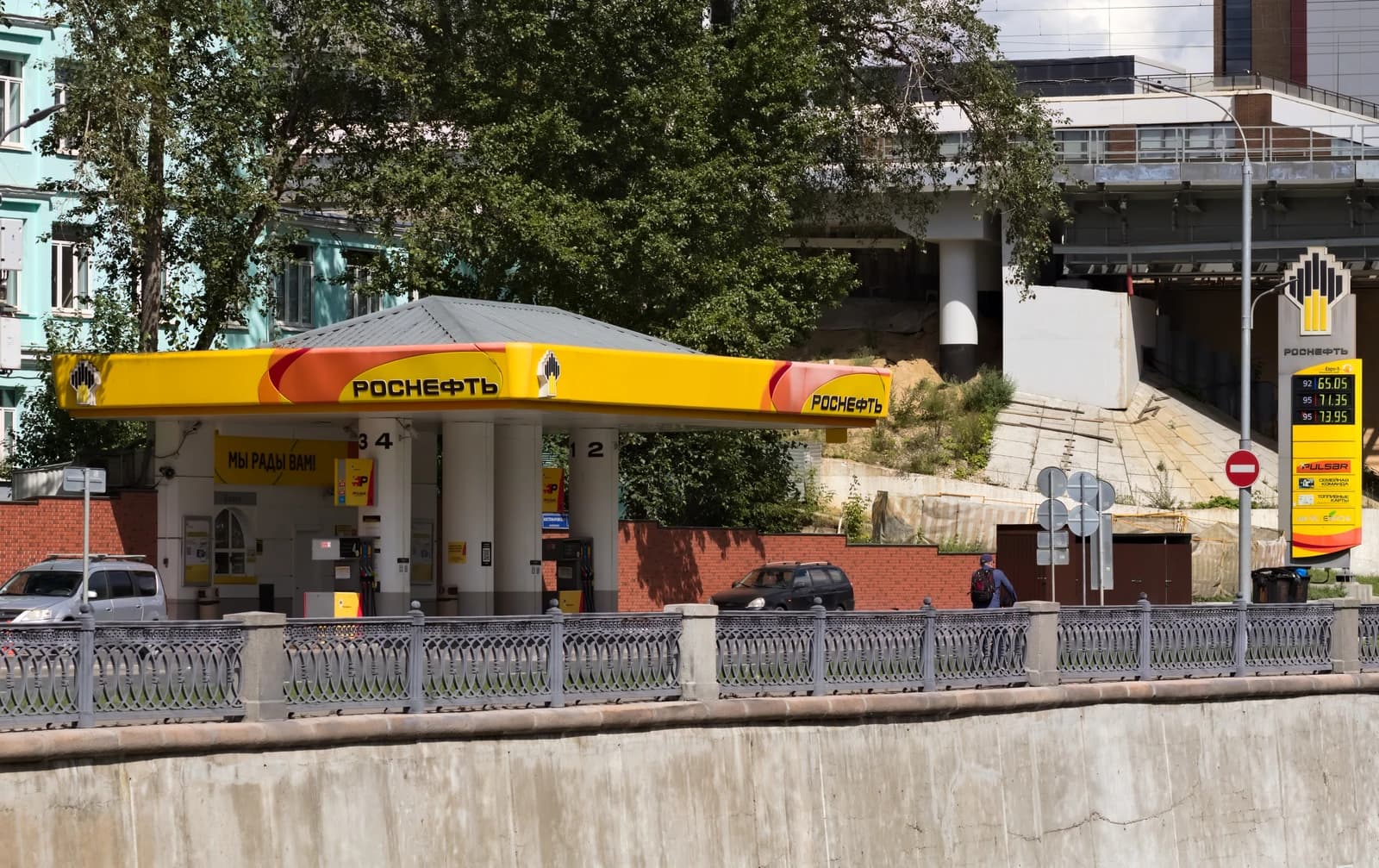
The European Commission has unveiled its 22nd sanctions package against Russia, widening pressure on Moscow’s banks, energy logistics and shadow fleet in a move that could further tighten funding, trade and payment channels linked to the war in Ukraine.
EU sanctions package targets Russian banks and shadow fleet
The proposal would extend transaction bans and SWIFT restrictions to about 60 Russian banks, a step that matters because it raises the cost of moving money in and out of Russia and can complicate settlement for trade, commodities and cross-border financing. Brussels is also moving to harden oversight of crypto platforms and payment networks, including those in third countries that work with Russian operators, signaling a broader effort to close workarounds that have kept sanctions evasion alive.
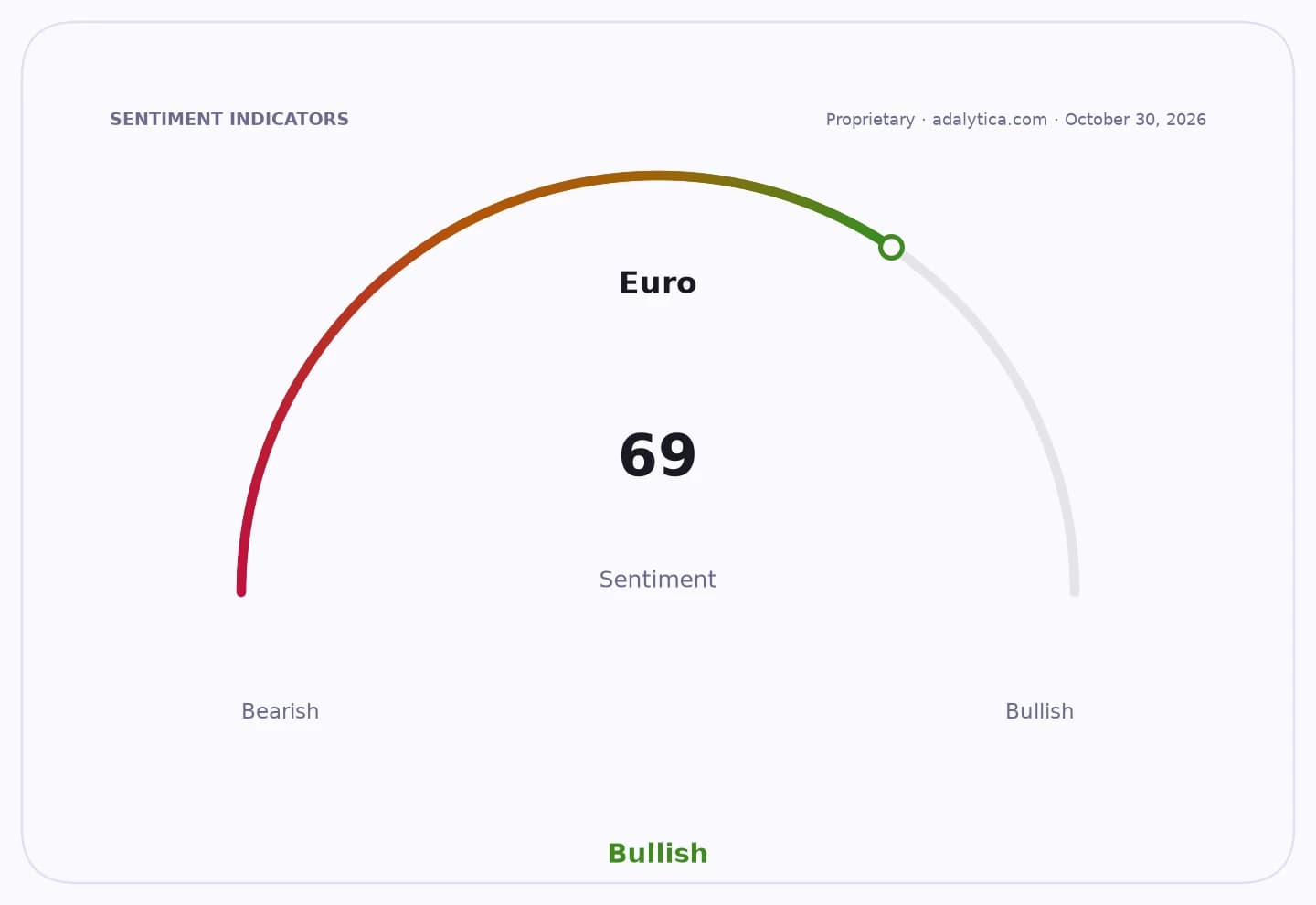
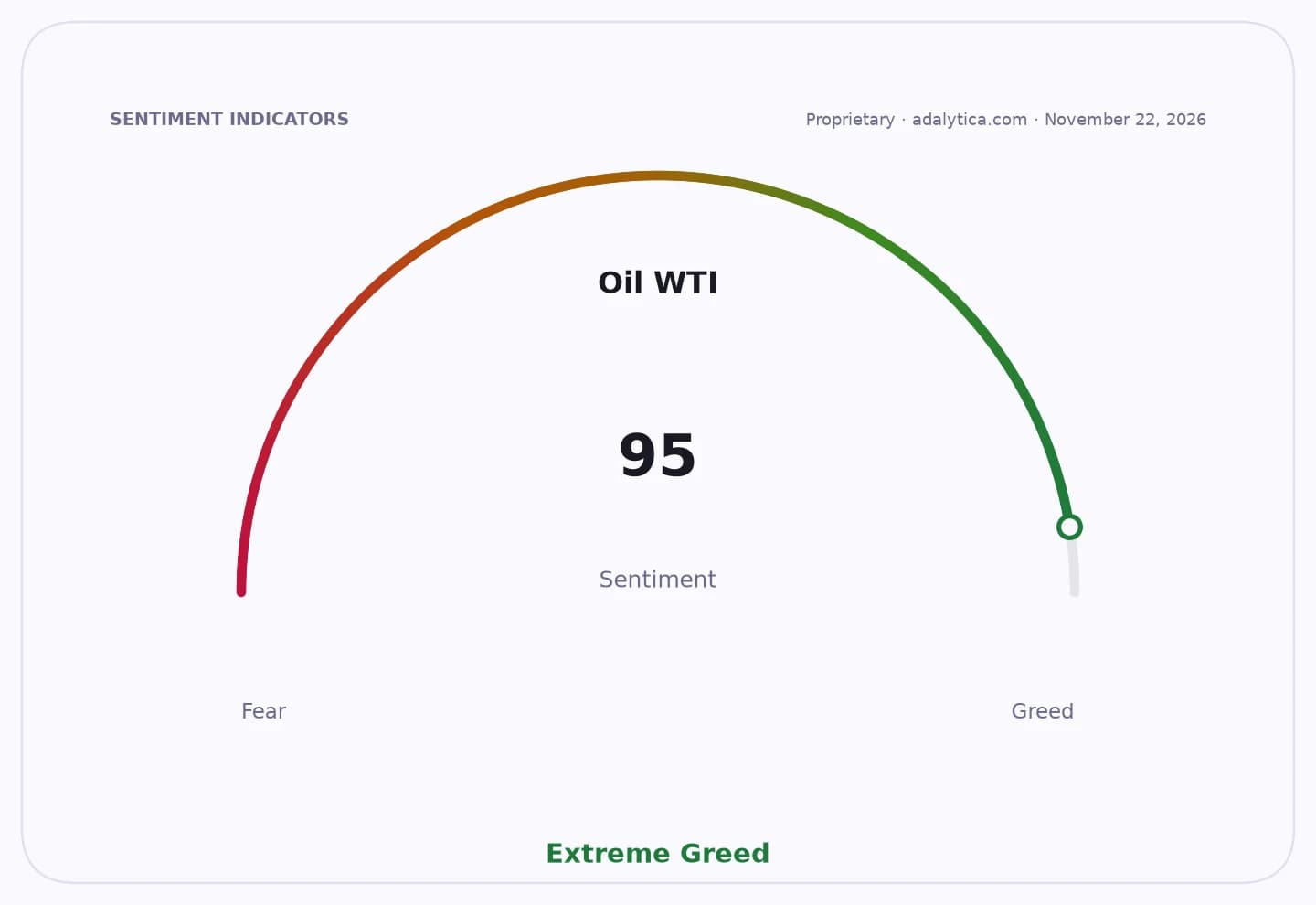
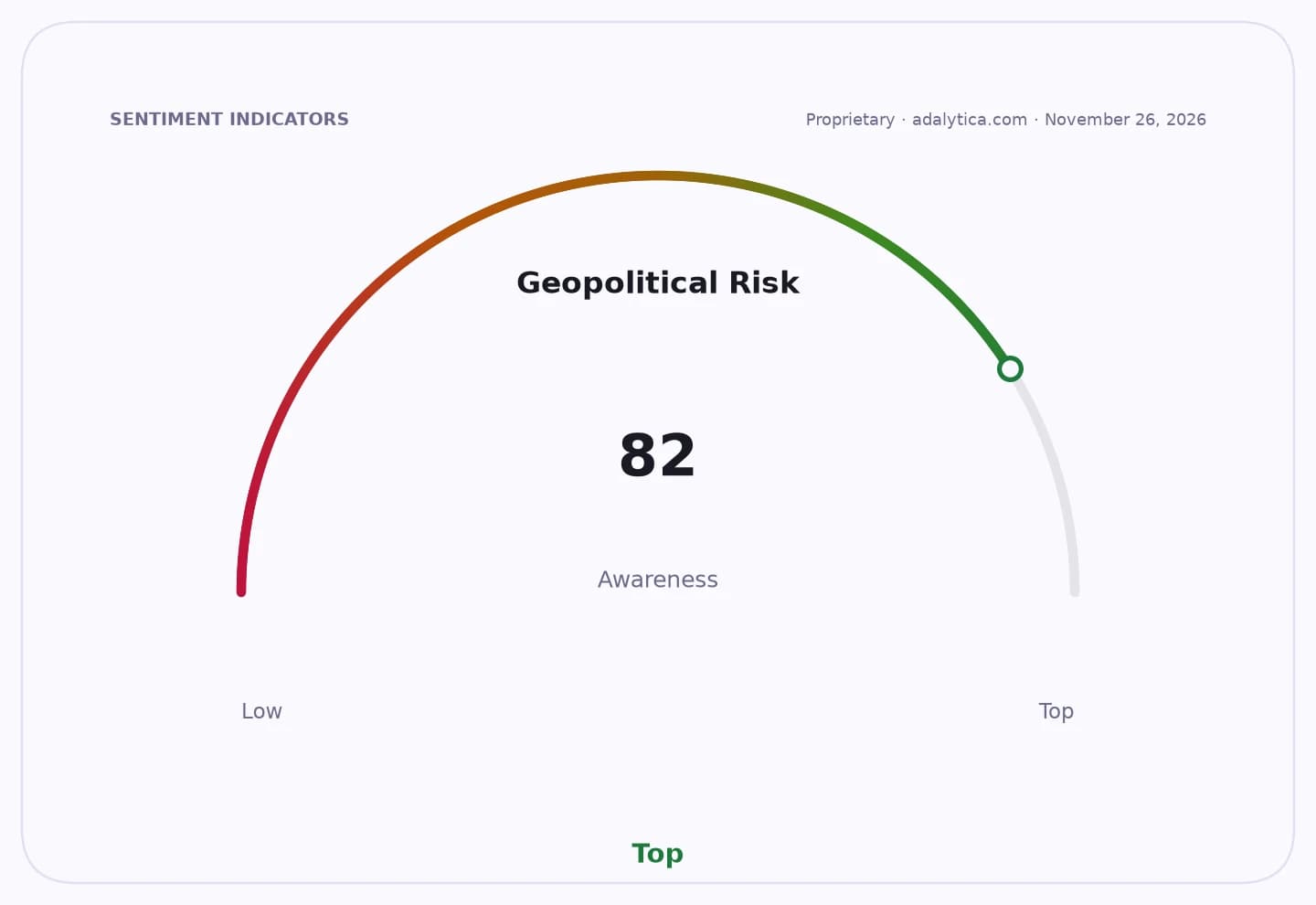
Sentiment Indicators
Energy is again in the crosshairs. The package expands restrictions on services tied to the construction, operation and repair of Russian energy infrastructure, including refineries, and for the first time would cover electricity services as well. That raises the risk of higher operating costs and more bottlenecks for Russia’s energy sector, which remains one of the Kremlin’s key sources of hard currency.
Shipping is also set to take another hit, with more than 70 additional vessels expected to be added to the EU’s blacklist of the so-called shadow fleet. The bloc also wants to bar the use of tankers insured in Russia, a move aimed at making it harder for Moscow to move crude and fuel without Western insurance, financing and maritime services.
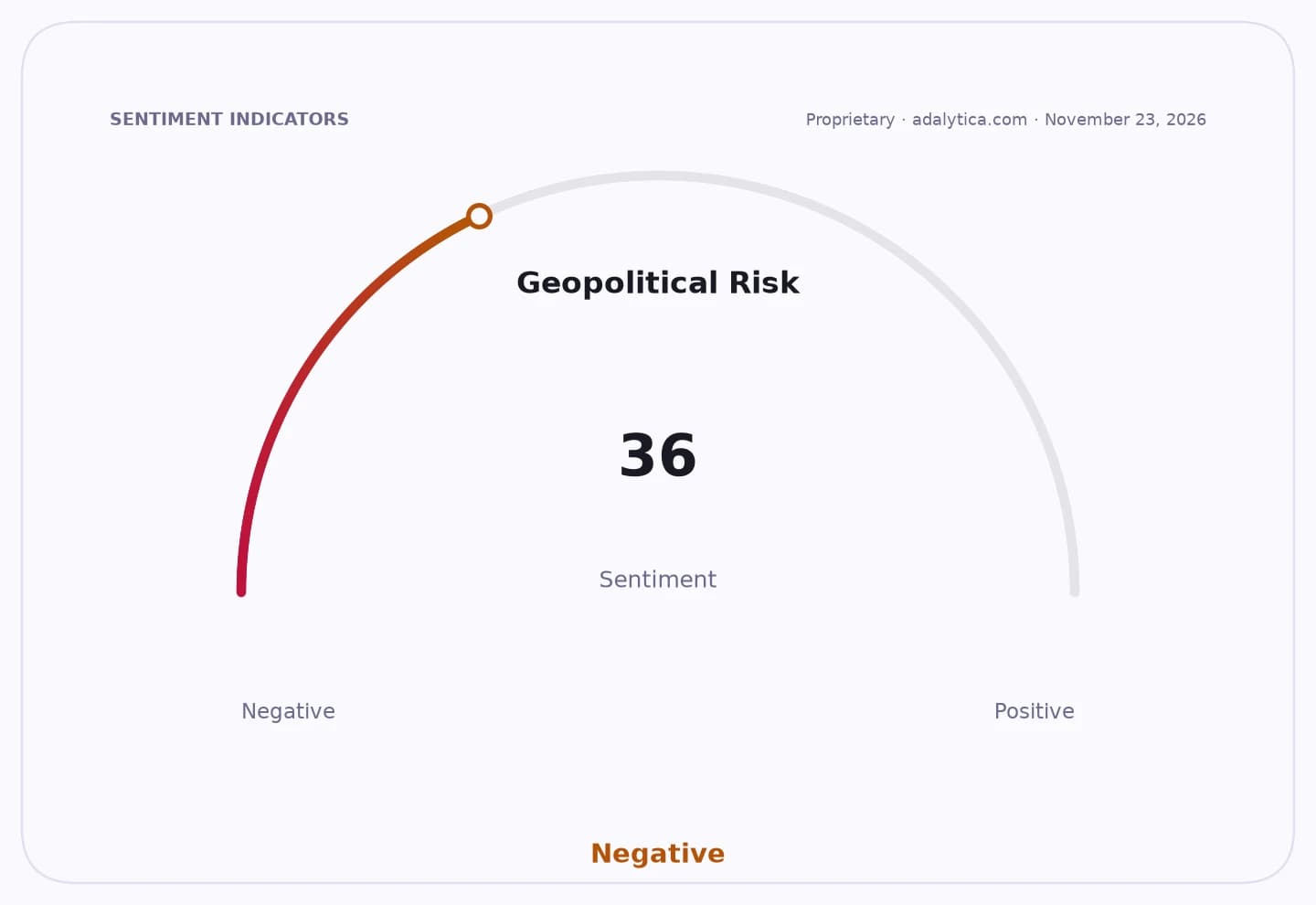
Geopolitical Risk — 30-day sentimentadalytica.com
Explore this data interactively — full history, time series and cross-market comparisons.
For investors, the package keeps geopolitical risk elevated across oil, shipping, banking and Europe-facing assets. West Texas Intermediate was last near $81.42 a barrel in the latest data and Brent-linked exposure remains sensitive to any escalation that curbs Russian exports, while gold’s recent trading around $327.45 an ounce reflects continued demand for havens as sanctions risk and war uncertainty persist. The euro, meanwhile, remains under pressure in the Adalytica.com trade signals snapshot, which showed “Extreme Fear,” underscoring how policy and conflict risk can weigh on regional sentiment.
The measures also broaden beyond markets into travel, sport and culture, including proposed visa curbs on former Russian servicemen, limits on Russian participation in EU sporting events and restrictions on Russian sponsorship of European cultural and sports bodies. The package now faces the usual EU approval process, but if adopted it would deepen a sanctions regime that has already become one of the bloc’s main tools for trying to squeeze Russia’s war economy.
| Entity | Gains | Losses |
|---|---|---|
| EU governments | ▲More leverage over Moscow | ▼Higher enforcement burden |
| Russia’s banks | ▲— | ▼SWIFT and transaction access |
| Oil exporters outside Russia | ▲Potential market share gains | ▼More volatility |
| Shadow fleet operators | ▲— | ▼Ships, insurers, logistics access |