The European Union’s first sustainable tourism strategy is an attempt to keep Europe the world’s top travel destination while easing the structural pressures that have started to weigh on one of its largest service industries.
EU Tourism Strategy Targets Resilience and Growth
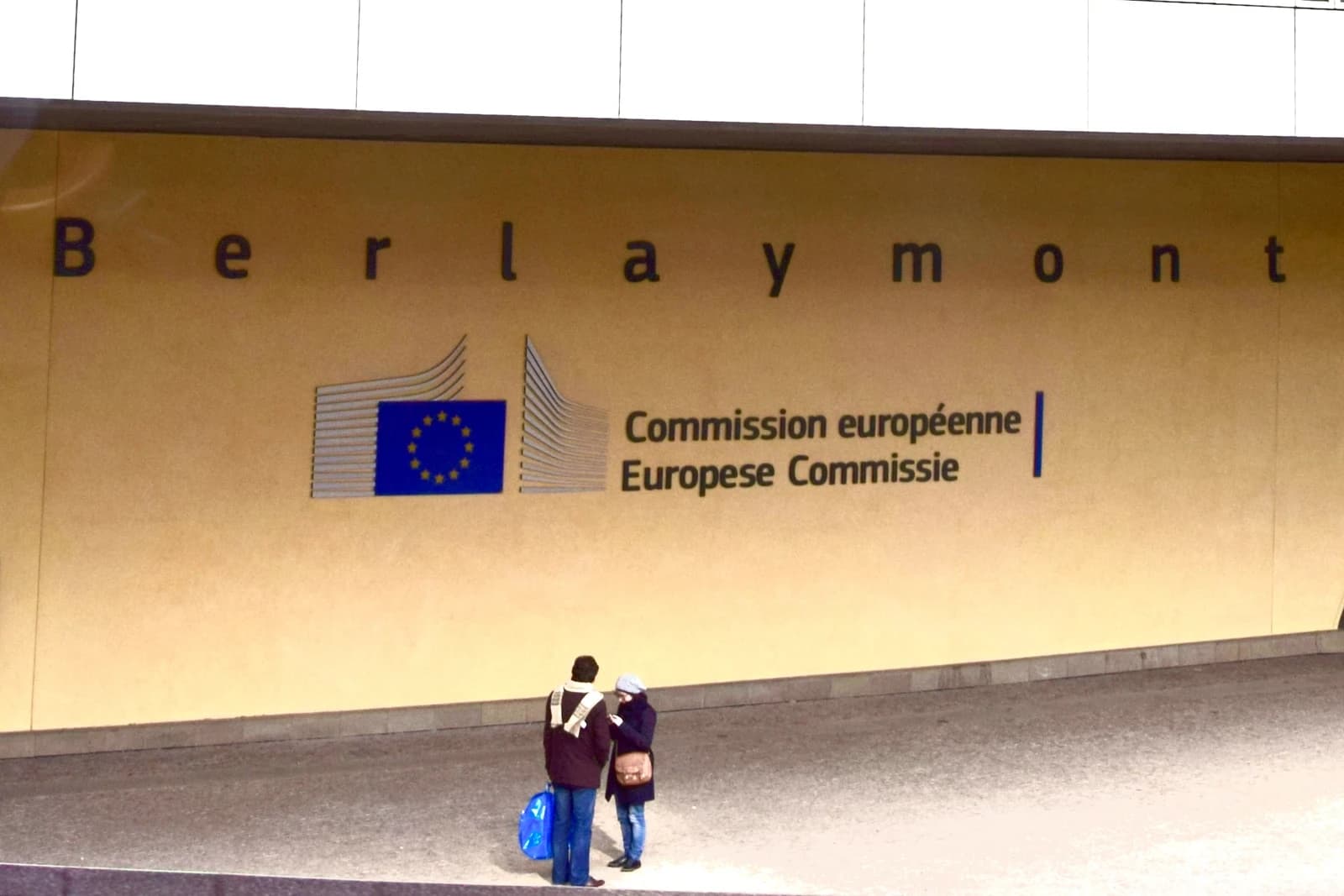
Brussels is framing the plan as both an industrial policy and a competitiveness measure. Tourism supports 20 million jobs, five million businesses and about 10% of the EU’s gross value added, according to the European Commission, yet the sector is being squeezed by geopolitical uncertainty, climate disruption, labor shortages and fragmented local rules that make it harder for operators to scale across borders. For investors, that matters because Europe’s travel market is not just a leisure story: it is a major source of regional income, employment and cross-border spending, with spillovers into airlines, booking platforms, hotel groups, rail and coach operators.
Sentiment Indicators

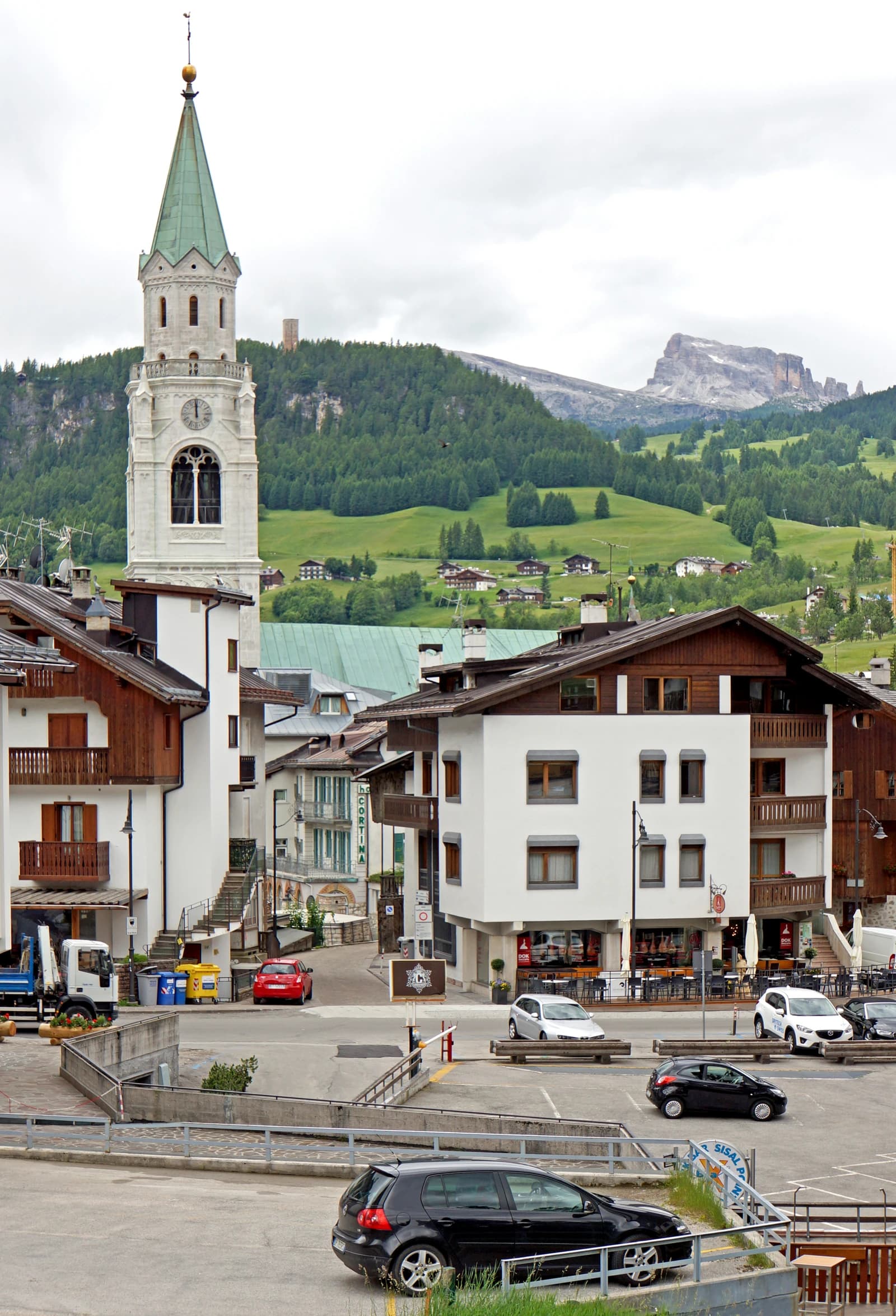
The strategy’s core objective is to make tourism more resilient without undermining demand. It calls for a high-level EU Tourism Alliance to coordinate member states, regions, local authorities and companies; new tools to channel visitors beyond the usual hotspots; and a push to spread travel more evenly through the year. Brussels also wants to cut “unnecessary administrative barriers,” including by building a common EU tourism data space, creating a tourism observatory and setting up a tourism academy to address skills gaps.
That combination of coordination and data is significant. The industry has long been fragmented by national and municipal rules, especially around access, transport and destination management. The European Road Transport group IRU said the Commission is now acknowledging, for the first time, the difficulties bus operators face navigating local urban access restrictions, while travel associations welcomed a more joined-up approach to connectivity, competitiveness and investment.

The policy could be constructive for operators with exposure to European inbound travel if it succeeds in smoothing capacity constraints and broadening demand beyond peak-season and over-touristed cities. Expedia Group and Booking Holdings, which both have significant European exposure, stand to benefit from stronger cross-border travel flows and more consistent destination management. Airbnb could also gain if the policy encourages dispersion toward secondary destinations and longer stays.
But the bull case depends on execution. Europe’s travel market is already wrestling with a patchwork of climate rules, transport bottlenecks and local restrictions, and a strategy alone will not fix air capacity, rail disruption or staffing shortages. If the measures end up adding another layer of bureaucracy, the industry could see little near-term change beyond better rhetoric.
The broader significance is that Brussels is treating tourism less as a seasonal consumption category and more as a strategic economic asset tied to regional development, competitiveness and resilience. That is a useful signal for investors: the EU is trying to protect one of its most important service exports at a time when climate risk, labor scarcity and policy fragmentation are increasingly shaping who wins travel demand in Europe.
| Entity | Gains | Losses |
|---|---|---|
| EU tourism operators | ▲More coordination, data, support | ▼Higher compliance burden if poorly executed |
| Booking platforms and OTAs | ▲Broader destination demand | ▼Fragmented rules if reforms stall |
| Secondary destinations | ▲More visitor flows | ▼Overcrowded hubs face pressure |
| Local regulators with strict access rules | ▲Better common framework | ▼Less policy autonomy |