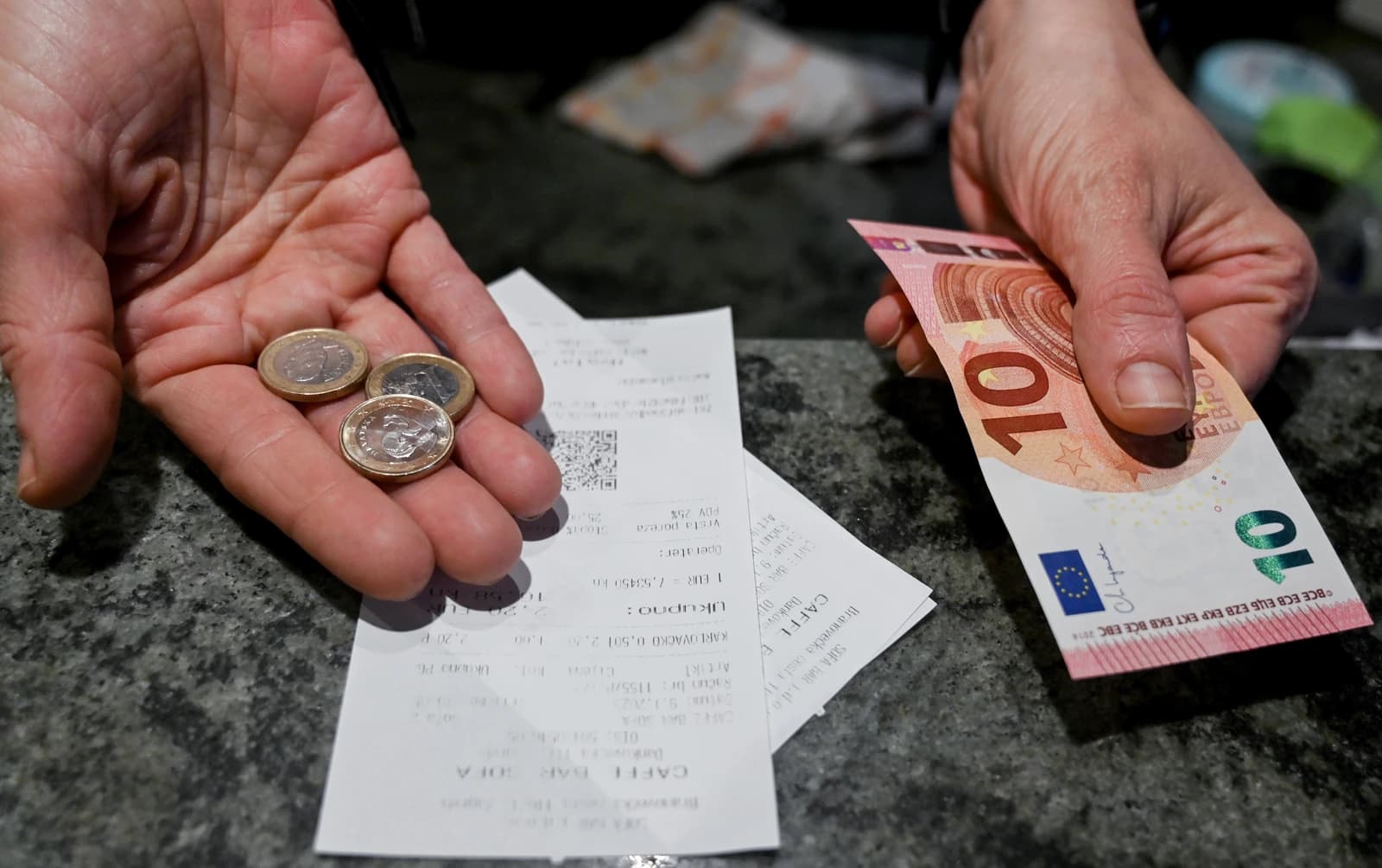
The euro is trading at historic lows in Albania, underscoring how a weak common currency and resilient dollar demand are feeding through to local foreign-exchange pricing.
Euro hits historic lows in Albania as dollar stays firm

In the Albanian market, banks and exchange offices were buying the euro at 90.5 lekë and selling it at 91.5 lekë, while the dollar fetched 80.3 lekë on the bid and 81.5 lekë on the ask. The Swiss franc was quoted at 97.5/98.7 lekë and sterling at 107/108.2 lekë, showing a broad preference for hard currencies even as the euro loses ground.
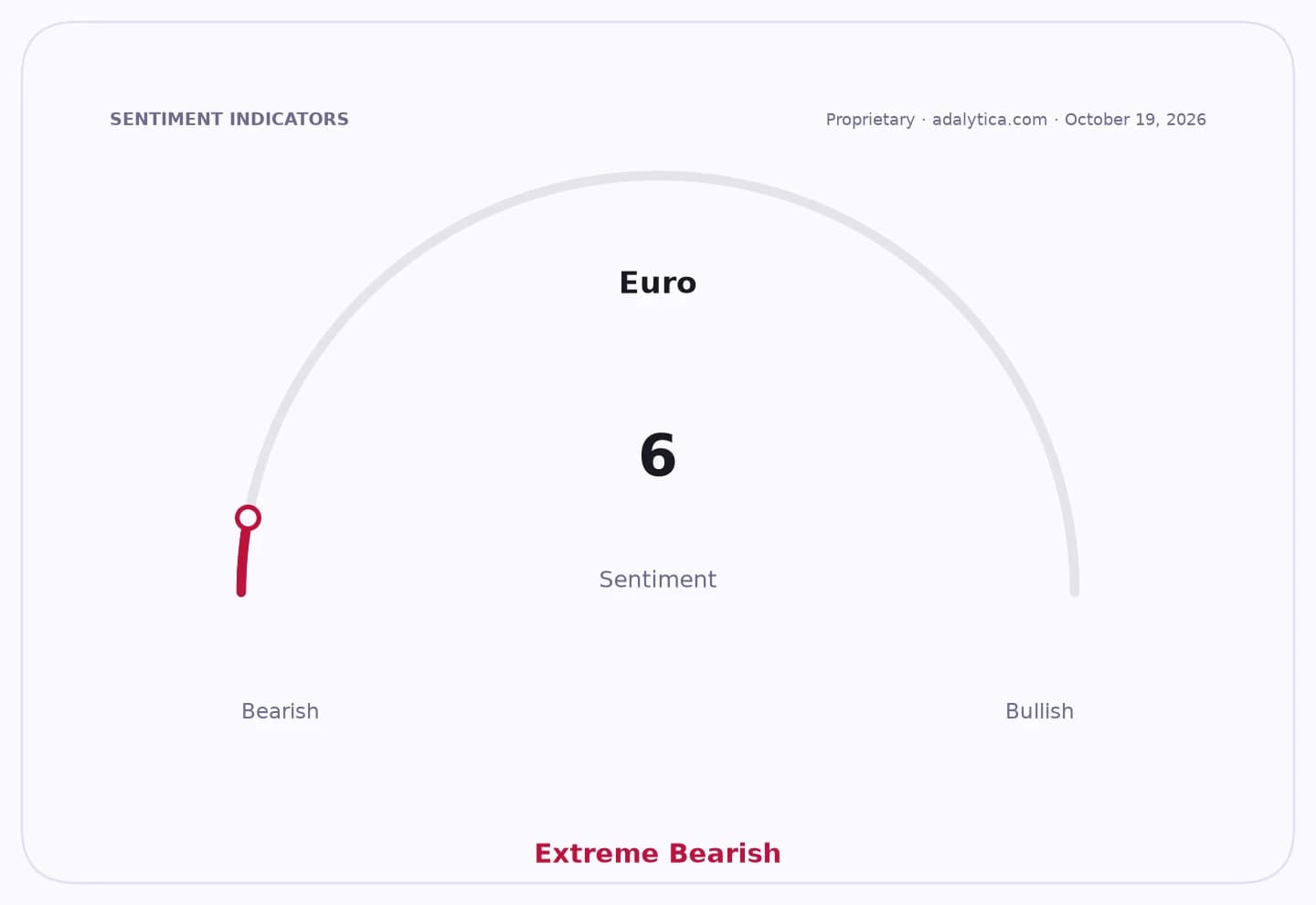
Sentiment IndicatorsⓘProprietary · adalytica.com · October 21, 2026
This is a snapshot — live sentiment, awareness and momentum for 130+ markets update continuously in the dashboard.Open AlphaPulse

The move matters because Albania is structurally exposed to the euro through trade, tourism, remittances and household savings. A weaker euro can lower the lek value of foreign-currency inflows from the euro area, while raising the domestic cost of non-euro imports priced off the dollar or other stronger currencies. For borrowers and businesses with euro-linked liabilities, the headline drop is a reminder that exchange-rate swings still affect balance sheets even in a relatively small economy.
Market data around the euro-dollar pair points to a market that remains under pressure rather than in free fall. EUR/USD was last around 1.12, below both its 50-day and 200-day simple moving averages, while the relative strength index sat at 36.1, a level that still suggests weakness even after the pair’s recent stabilization. The MACD remained negative, though less so than earlier in the month, indicating the euro has not yet built enough momentum to reverse the downtrend.
That weakness is also visible in dollar proxies. The U.S. Dollar Index fund UUP was last at 28.94, comfortably above its 50-day and 200-day moving averages, showing the greenback still has the upper hand despite some recent consolidation. FXE, which tracks the euro against the dollar, was at 103.63, far below its summer highs and still trading under its long-term trend measures. Adalytica’s euro trade signals showed neutral sentiment, but the broader setup reflected a currency under sustained selling pressure over the past month.
For investors, the key question is whether the latest euro slump is a local pricing story or part of a broader dollar cycle. A durable dollar would keep pressure on emerging and frontier currencies with euro-linked trade flows, while any rebound in the common currency would ease imported inflation and improve sentiment around regional assets. For now, the market is treating the euro’s weakness as persistent, not temporary.
| Entity | Gains | Losses |
|---|---|---|
| Lek buyers of foreign currency | ▲Cheaper euro purchases | ▼Lower value of local savings in lek |
| Albanian exporters receiving euros | ▲More lek per euro income | ▼Domestic importers facing stronger hard currencies |
| Dollar holders | ▲Stronger conversion rates | ▼Euro-denominated assets |
| Albanian households and borrowers with euro exposure | ▲Short-term stability in pricing | ▼Higher balance-sheet risk if euro weakness persists |