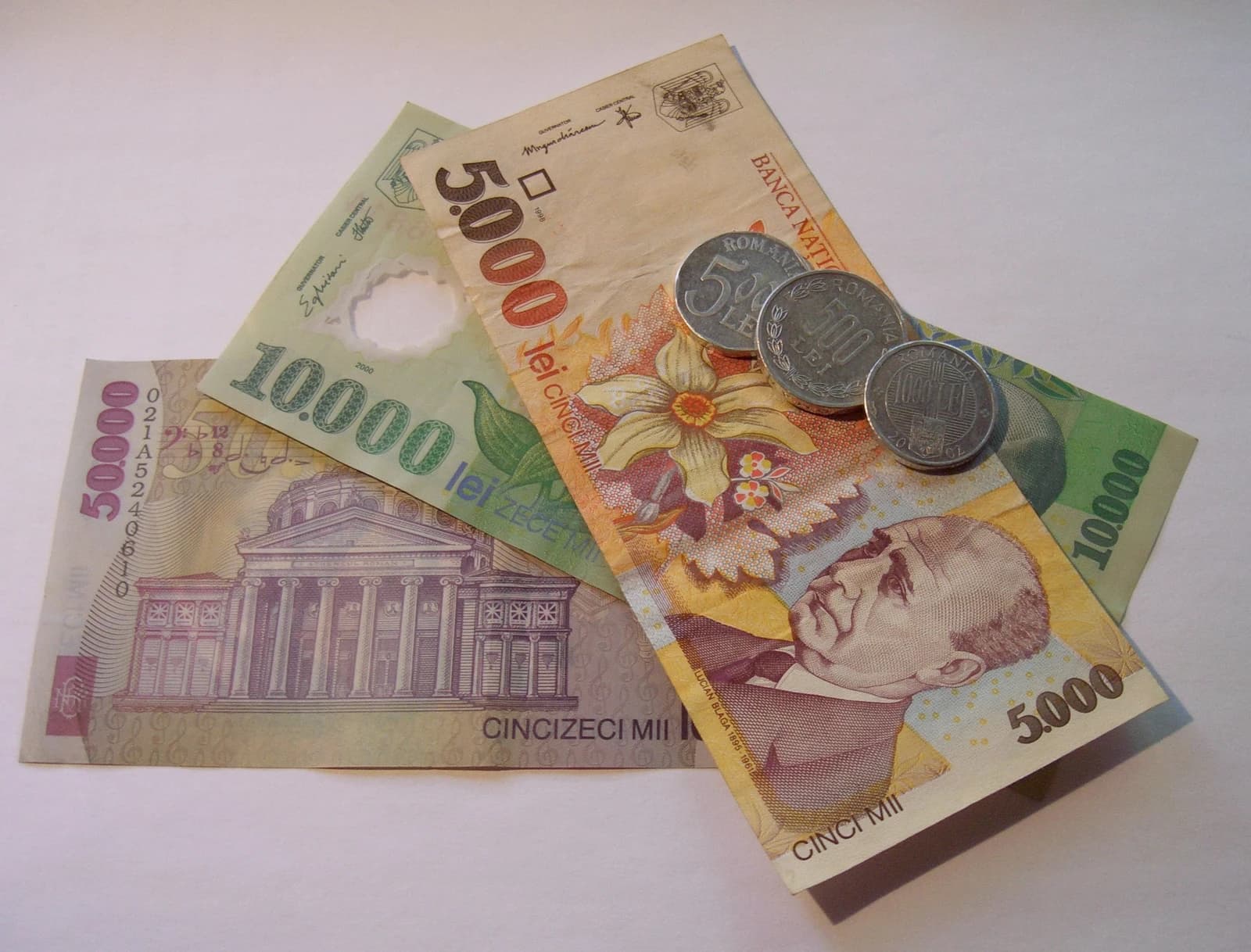
The euro climbed to a fresh all-time high against the leu on Wednesday, a move that puts renewed pressure on Romania’s exchange-rate credibility just as the country enters talks with Standard & Poor’s and tries to reassure investors about its fiscal path.
Euro Hits Record High Against Romania Leu

The National Bank of Romania set the official rate at 5.2788 lei per euro, above the previous record of 5.2688 reached on May 6. The euro was up 1.41 bani, or about 0.27%, on the day, while the leu also weakened against the dollar, Swiss franc and pound. In intraday trading, the euro had already pushed to 5.2774 lei before the central bank’s fixing, underscoring that the market was testing the upper end of the currency’s recent range.
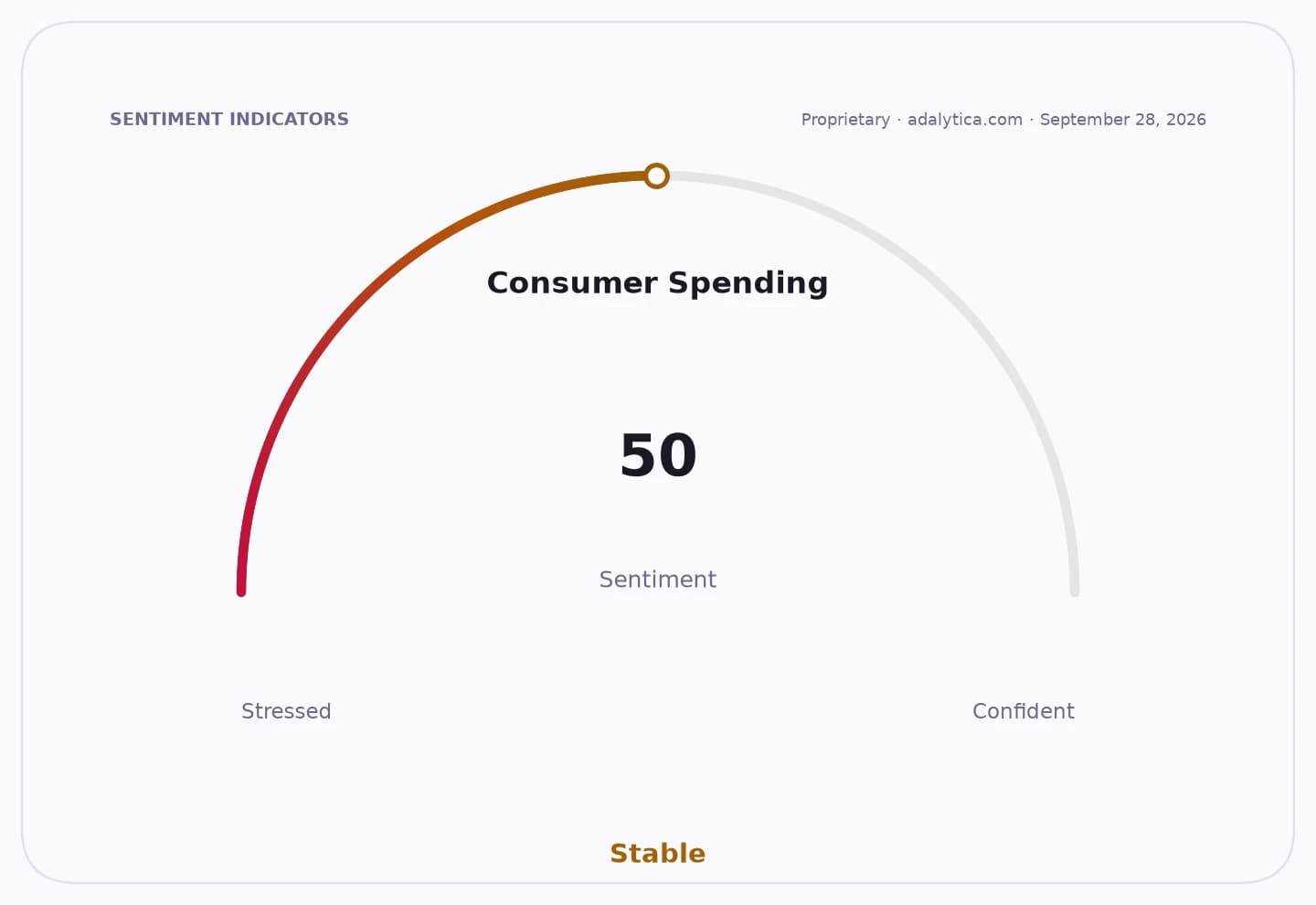
Sentiment IndicatorsⓘProprietary · adalytica.com · September 28, 2026
This is a snapshot — live sentiment, awareness and momentum for 130+ markets update continuously in the dashboard.Open AlphaPulse

The timing matters. Romania is still navigating a protracted political crisis and uncertainty over the formation of a new government, while investors are watching whether any incoming cabinet can keep deficit-reduction plans on track and prepare the 2027 budget. Those are not just domestic talking points: they are central to the country’s sovereign credit story.
Standard & Poor’s begins discussions with Romania on Thursday and is due to decide on Oct. 2 whether to keep the country in investment-grade territory or cut it to junk. A downgrade would raise funding costs for the state and, over time, for corporates and banks that borrow in international markets. Even without a cut, the latest currency move reinforces the market’s view that fiscal slippage and political instability are feeding into higher risk premia.
For households and businesses, a weaker leu makes imported goods, energy and foreign-currency debt more expensive, adding to inflationary pressure and complicating the central bank’s task. For investors, the issue is broader than one day’s FX move: persistent depreciation can erode returns on local-currency assets, tighten financing conditions and reduce the appeal of Romanian equities and bonds relative to peers in central and eastern Europe.
The leu’s slide also fits a larger pattern of stress in emerging European currencies when fiscal discipline comes into question. Romania has repeatedly defended the currency through its policy framework, but the latest record suggests markets are increasingly willing to challenge that stability when politics and ratings risk intensify.
For now, the key watchpoint is whether the government can present a credible budget and reform path quickly enough to steady both the currency and the sovereign outlook. If it cannot, the euro’s latest high may prove less a one-off and more a sign that investors are repricing Romania’s macro risk.
| Entity | Gains | Losses |
|---|---|---|
| Euro holders | ▲Higher local value | ▼Romanian consumers |
| Romanian exporters | ▲Better price competitiveness | ▼Import-dependent firms |
| Romanian government | ▲Pressure to act on deficits | ▼Borrowing costs if confidence slips |
| Foreign-currency borrowers | ▲None | ▼Leu borrowers facing weaker currency |