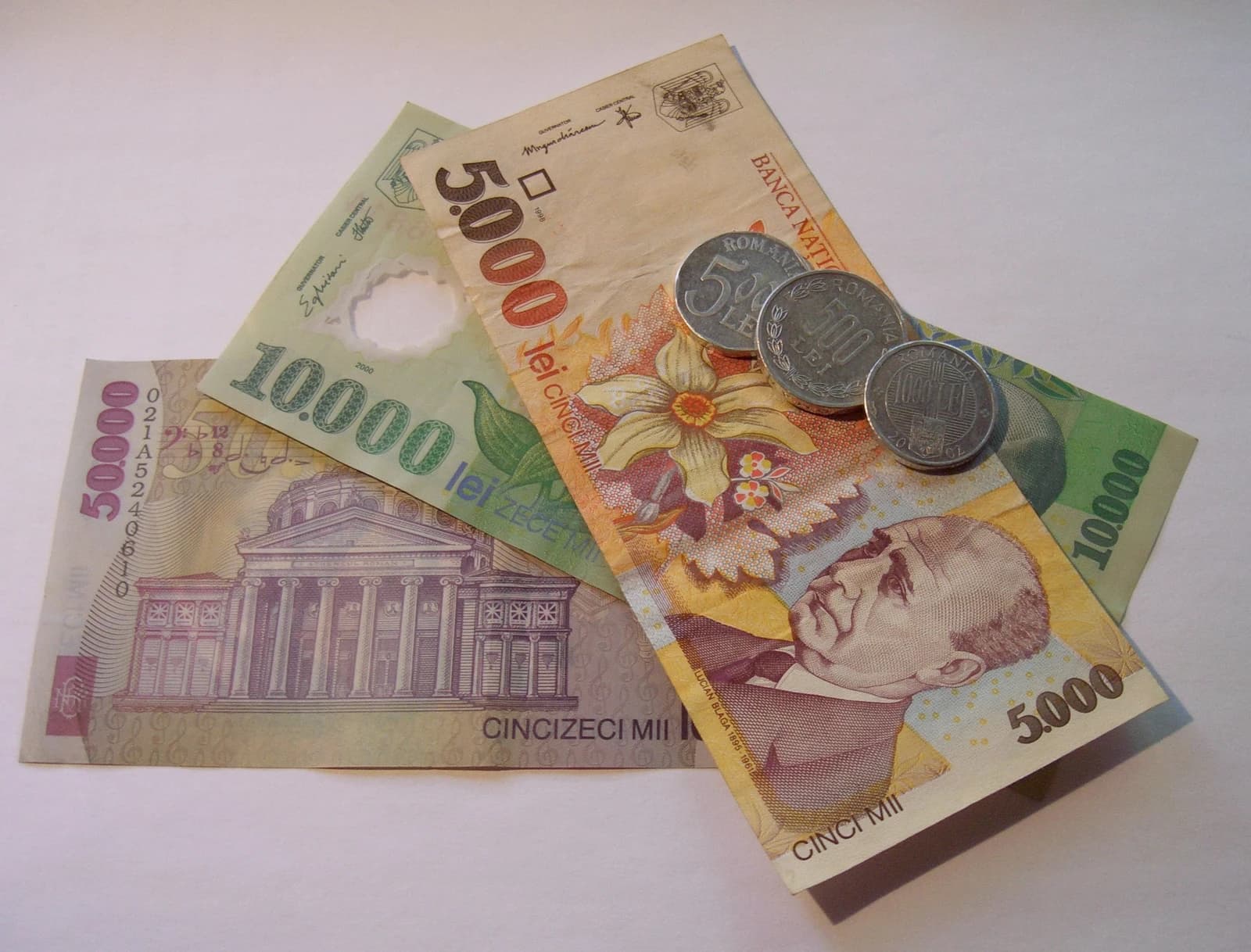
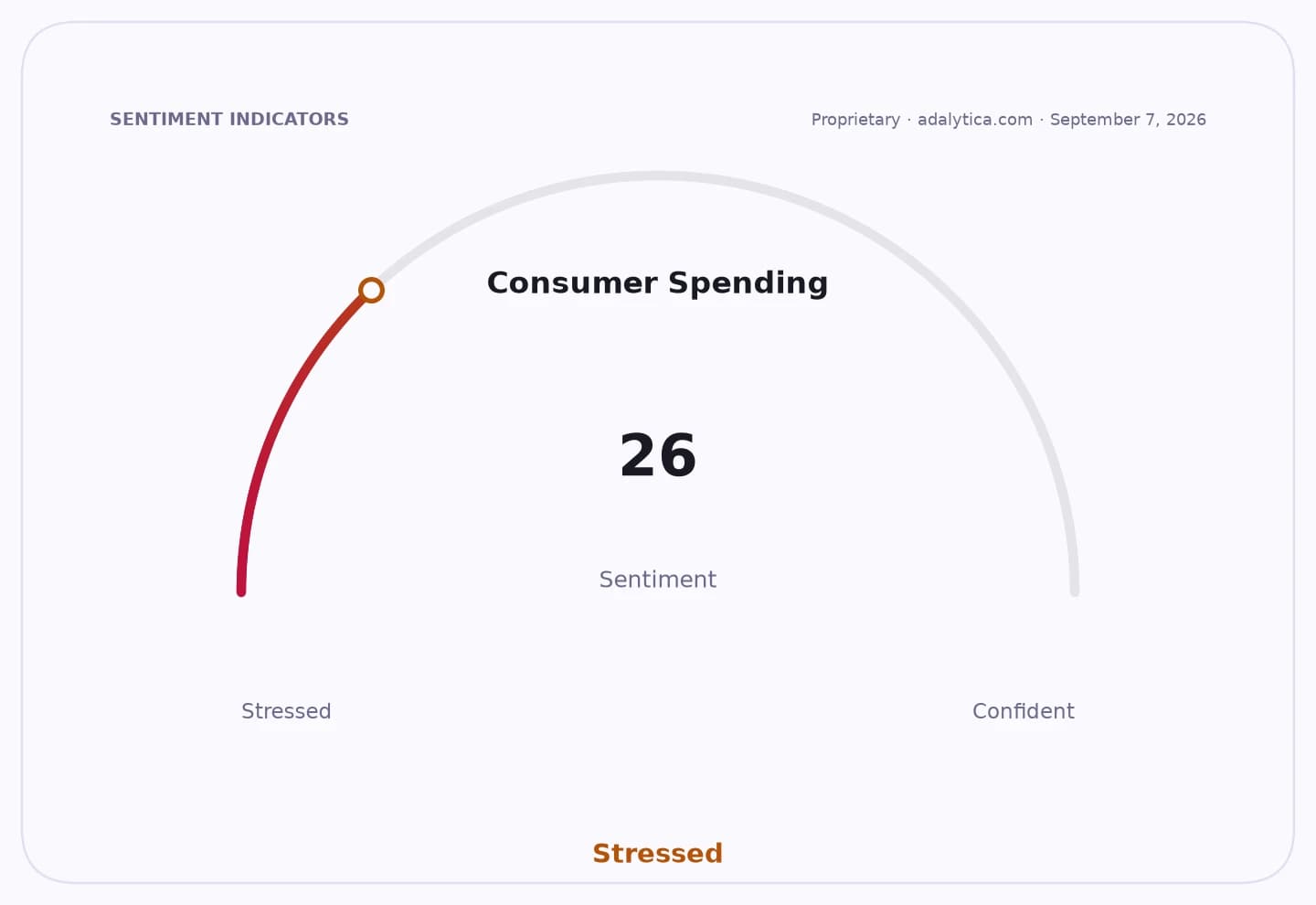
Economic sentiment may not show up in a balance sheet, but it can decide how households spend, how companies invest and how quickly an economy turns. That was the core message from Leonardo Badea, first vice-governor of Romania’s central bank, who argued that the BNR’s view of the economy is built not only on statistics but on the expectations and daily behavior of millions of households and firms.
Romania BNR on sentiment and economic growth
For investors, that matters because sentiment is often the first place a turning point appears. Badea said consumption, savings, wage negotiations and even listed prices are shaped by perceptions and expectations, meaning the economy can begin changing in people’s minds before it shows up in official figures. In other words, confidence is not a soft extra; it is part of the transmission mechanism that drives growth, inflation and asset valuations.
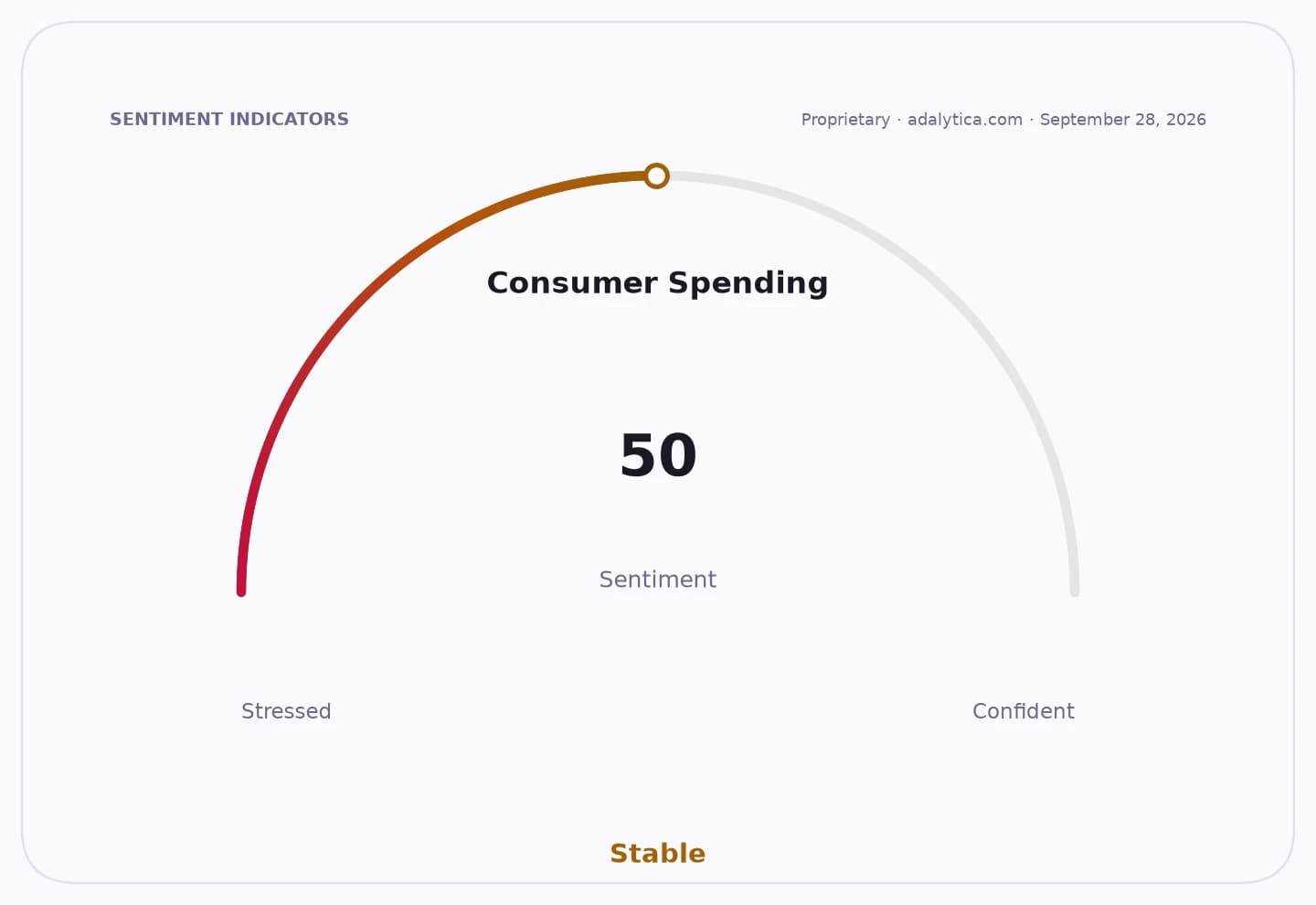
Sentiment IndicatorsⓘProprietary · adalytica.com · September 28, 2026
This is a snapshot — live sentiment, awareness and momentum for 130+ markets update continuously in the dashboard.Open AlphaPulse
The BNR official framed sentiment as both a cause and a signal. It is a cause because it directly influences spending, saving and investment decisions. It is a signal because, when measured carefully, it can reveal trends that hard data confirm only later. That is especially relevant when uncertainty is high, as it is now across Europe, where households remain sensitive to prices and companies are weighing whether to commit capital or wait.
Badea’s remarks also echo a broader lesson from modern economics: markets do not run on spreadsheets alone. He pointed to the work of Adam Smith, Keynes, Kahneman, Thaler and Shiller to underline how trust, narratives and behavioral biases shape outcomes. The practical implication is straightforward: if confidence deteriorates, liquidity preference rises, investment gets postponed and risk premiums widen. If confidence strengthens, longer-term contracts, higher investment and more productive savings tend to follow.
That is why central banks, governments and investors all watch sentiment indicators alongside inflation, GDP, credit and exchange rates. The European Commission, the OECD and US institutions such as the Conference Board and University of Michigan all publish confidence measures because they can flag turning points before backward-looking data do. Badea’s argument is that Romania should treat perception the same way: as an economic input that deserves to be measured, tracked and broken down by region, income group and age.
The long-term investor takeaway is that confidence cycles can create opportunity as well as risk. When sentiment is weak, valuations can get disconnected from underlying potential; when it improves, earnings and credit conditions can re-rate quickly. That makes trust, policy credibility and stable expectations essential ingredients in any investable growth story for Romania over the next several years.
For investors, the message is simple: watch the data, but do not ignore the mood behind it. In an economy driven by households and companies making millions of small decisions every day, sentiment is not just a reflection of the future — it helps shape it. It remains worth watching, and long-term investors should keep it on the watchlist.
| Entity | Gains | Losses |
|---|---|---|
| Households and firms with stable expectations | ▲longer planning horizon | ▼less uncertainty |
| Central banks and policymakers | ▲earlier warning signals | ▼false positives |
| Investors in trusted, growing economies | ▲better visibility on earnings | ▼delayed decisions |
| Economies with weak confidence | ▲little immediate gain | ▼higher risk premiums |