Protests against AI data centers spreading across Europe are a warning shot for the world’s fastest-growing infrastructure boom: the buildout may still be financed, but it is increasingly colliding with politics, energy grids and local resistance that could slow projects and raise costs.
Europe AI Data Center Protests Slow Buildouts
That matters because AI is no longer just a software story. It is a capital-intensive race for land, power and permitting, and the market has not fully priced how much friction that creates for the hyperscalers and their suppliers. When citizens in Dublin, Helsinki, Amsterdam and other cities mobilize against new facilities, the issue stops being a niche environmental complaint and becomes a real operating risk for the companies pouring hundreds of billions of dollars into compute.
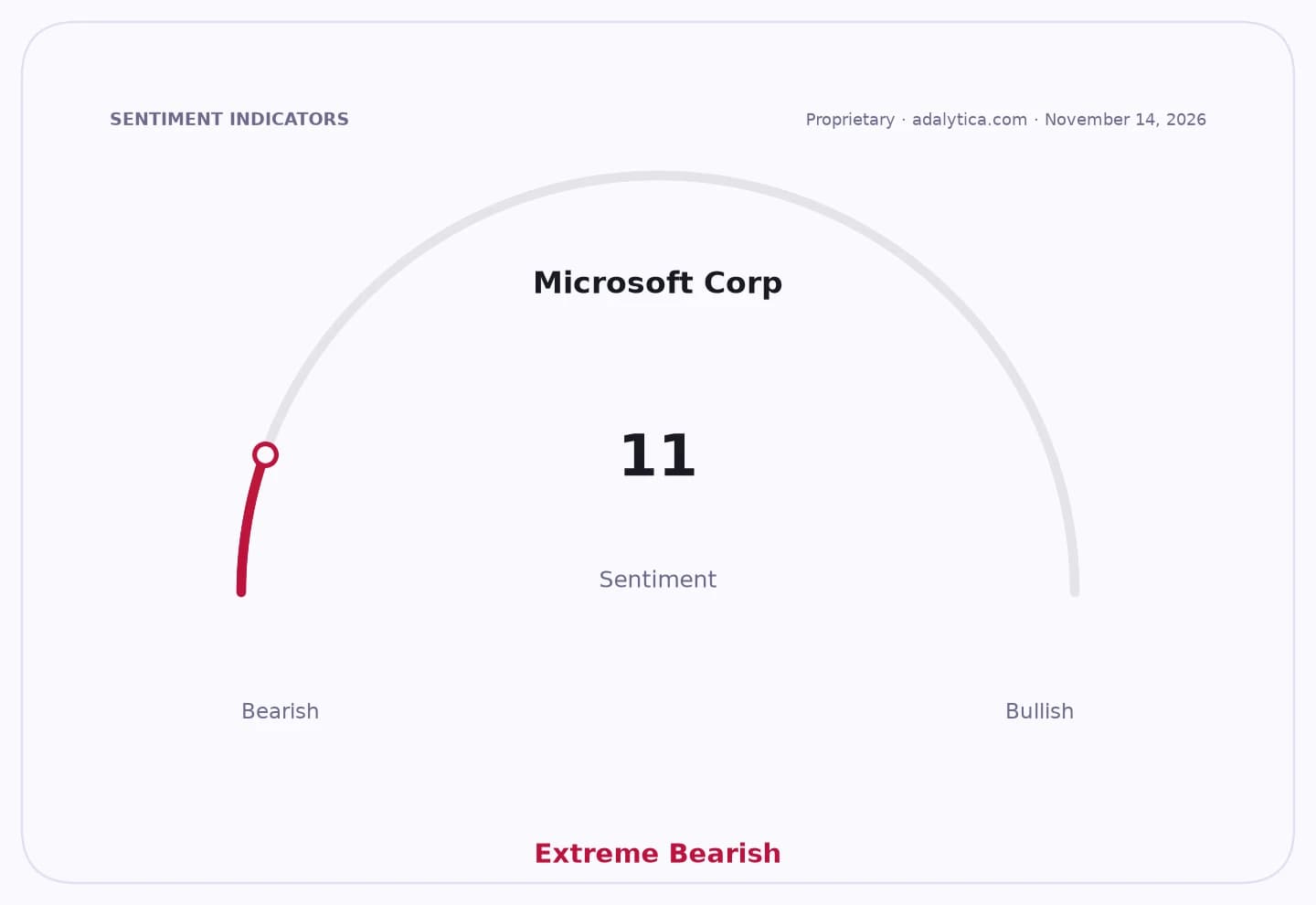
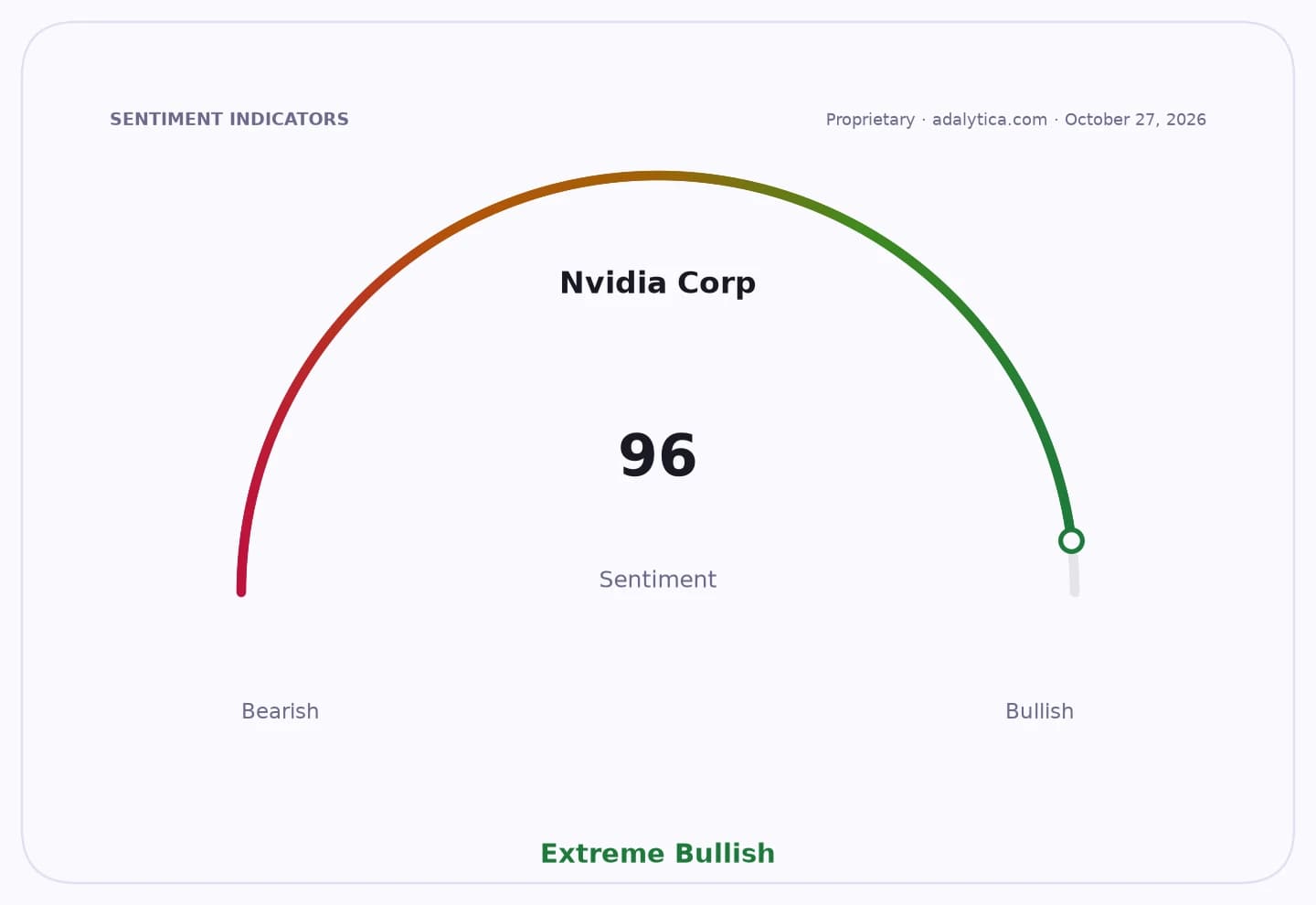
Sentiment Indicators
Ireland is the clearest example. Data centers consumed 23% of the country’s electricity in 2025, turning a technology cluster into a political flashpoint. In Finland, Google’s planned 13 billion euro expansion has fueled anger after reports that forest cover was removed and roads were built before an environmental review was complete. Finnish industry estimates about 80 billion euros of data-center projects are in planning or execution, underscoring how much investment is now exposed to permitting delays, stricter regulation and possible community pushback.
For investors, the immediate implication is not that AI spending stops. The more likely outcome is that it gets more expensive and more concentrated in locations with cheap power, supportive regulators and existing grid capacity. That is bullish for the companies that sell the picks and shovels of the boom — chipmakers, networking equipment suppliers, power infrastructure firms and grid operators — but it also means margins can come under pressure as hyperscalers absorb higher land, energy and compliance costs.
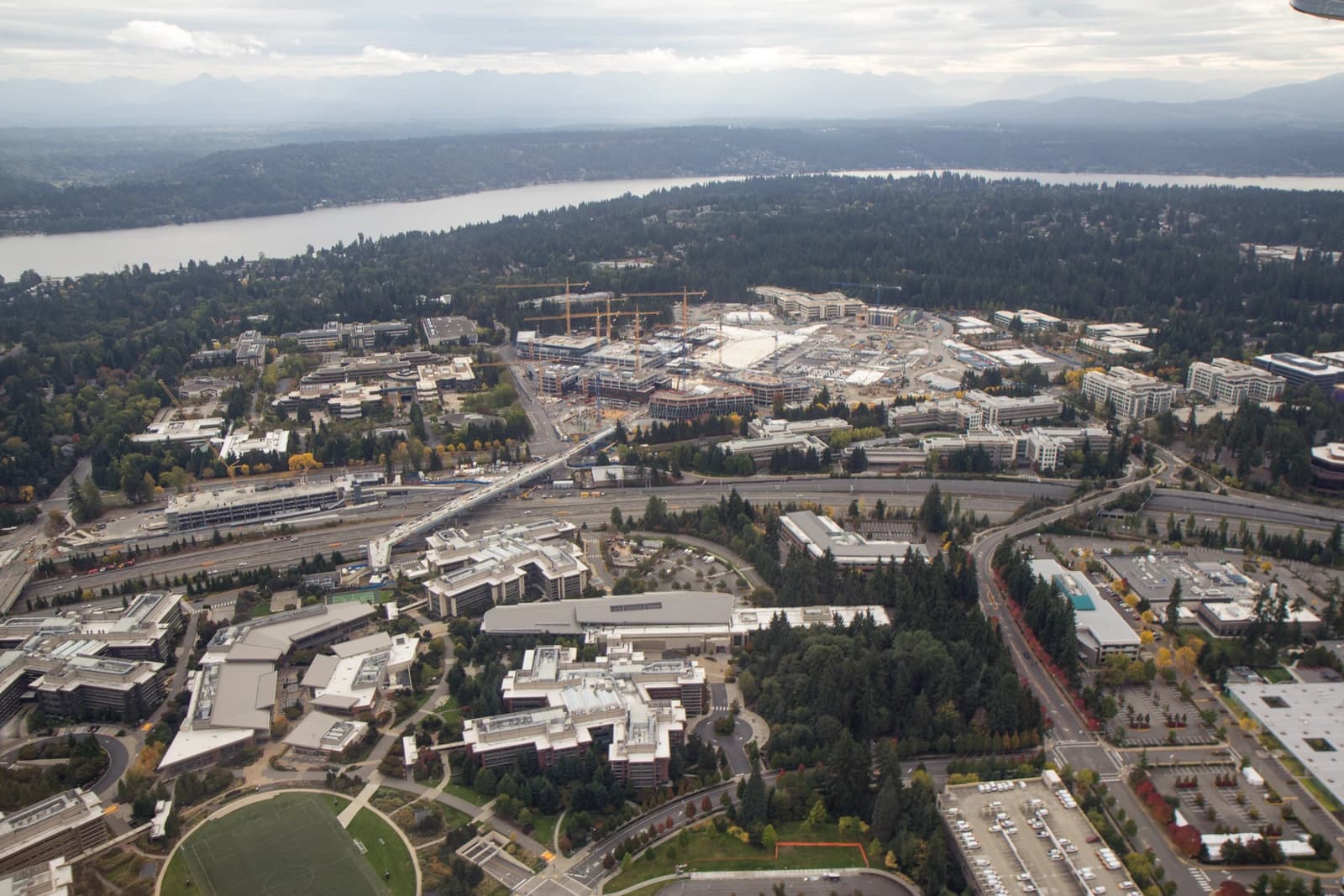
Microsoft’s data center in Amsterdam was already the site of clashes with demonstrators, and the issue has crossed from Europe into U.S. politics, where local candidates have campaigned on pausing new builds. That is a sign the social license for AI infrastructure is not guaranteed, even as demand keeps rising.
The market still sees AI data centers as a straight-line growth story. The more durable thesis is that scarcity in power, land and permits will become a pricing lever. Investors should focus on the beneficiaries of that bottleneck — not just the cloud giants, but the semiconductor and infrastructure names that get paid every time the AI buildout has to spend more to proceed.
| Entity | Gains | Losses |
|---|---|---|
| Power-grid and utility suppliers | ▲Higher demand for capacity | ▼More regulatory scrutiny |
| Chipmakers and network vendors | ▲Continued AI capex | ▼Project delays at customers |
| Hyperscalers | ▲Long-term compute buildout | ▼Higher land and energy costs |
| Local communities and regulators | ▲More leverage over projects | ▼Fewer near-term investments |