AI-driven electricity demand is putting the world’s grids at risk of bottlenecks, with the International Energy Agency warning that data centers could consume about 1,000 terawatt hours a year by 2030, roughly equal to Japan’s current power use.
IEA warns AI data centers may strain power grids
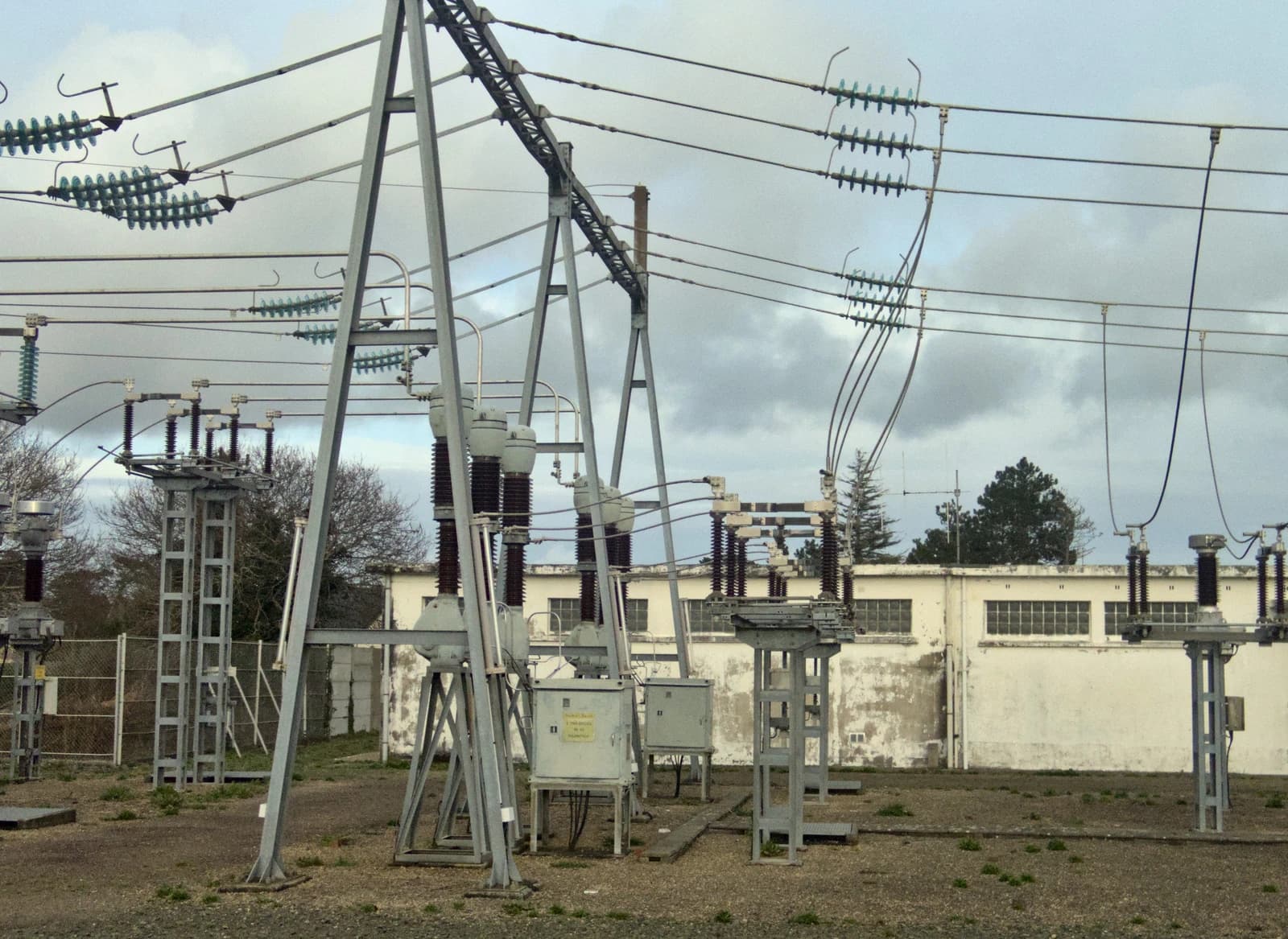
That makes the IEA’s latest World Energy Outlook more than a long-range forecast. It is a warning that the AI buildout may increasingly be constrained by a basic industrial input — power — and that utilities, grid operators and big technology companies are heading into a period of higher capital spending, tighter connection queues and potentially slower project timelines.
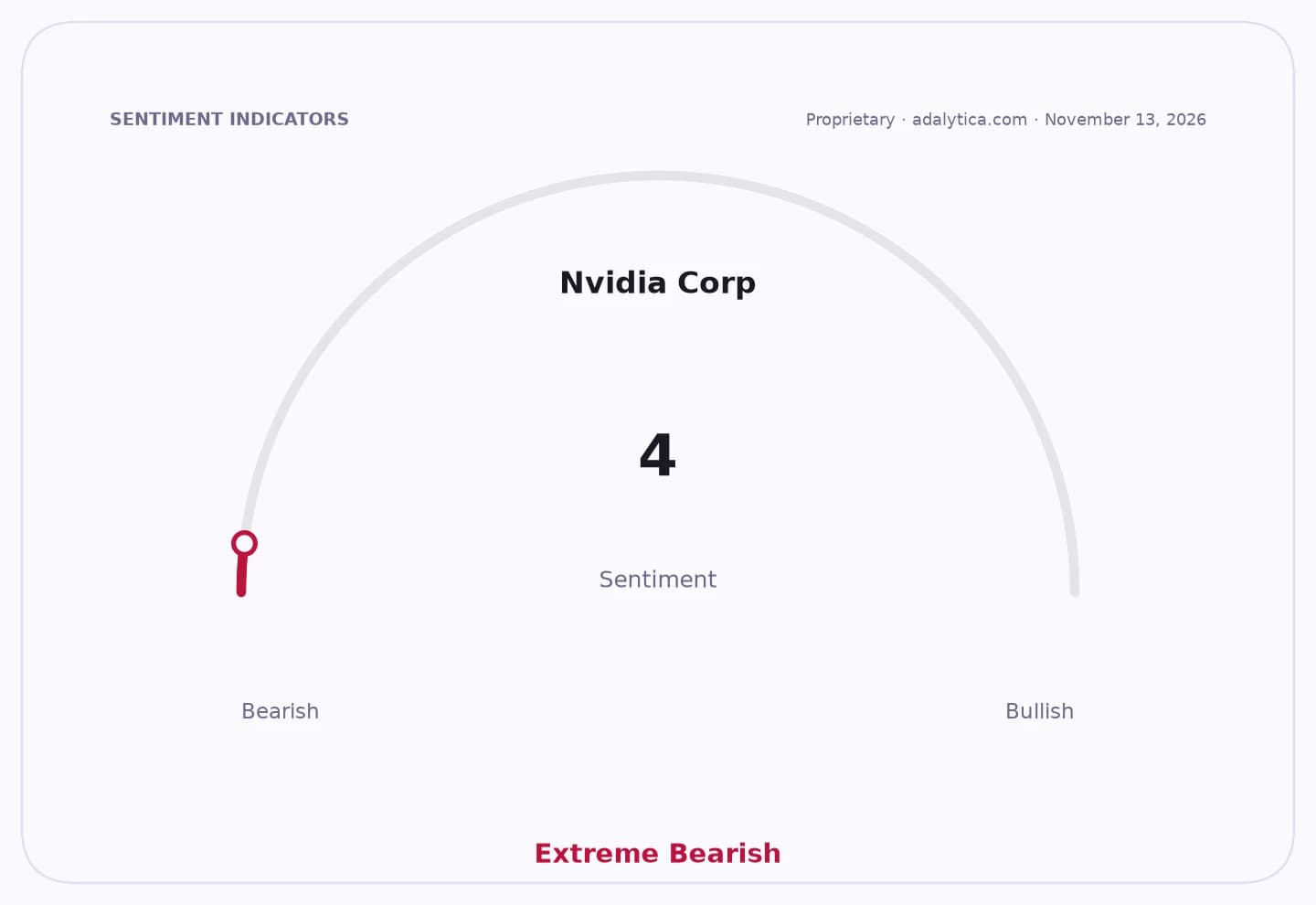
Sentiment Indicators
The IEA said data centers dedicated to artificial intelligence account for about 75% of the expected increase in power demand through 2030. In some regions, demand for data-center connections already exceeds peak load capacity, and projects in Finland, the UK, Texas and Virginia risk delays because of a lack of hookup capacity.
For investors, that raises a new set of winners and losers across the AI supply chain. The bottleneck could support utilities, transmission builders and equipment makers that stand to benefit from a multi-year upgrade cycle, while putting pressure on hyperscalers and data-center developers that need faster grid access to keep expansion on schedule.
The scale of the required buildout is huge. The IEA said the world would need another 26 million kilometers of transmission lines by 2035, plus upgrades or replacements to 16 million kilometers already in service. Even then, shortages of copper, transformers and power cables could slow the response.
The report also underscores an environmental tradeoff that is becoming harder for companies and policymakers to ignore. The IEA expects carbon emissions tied to data centers to rise 70% by 2030, complicating global decarbonization targets just as AI spending accelerates across the corporate sector.
Shares of utilities have recently shown relative resilience versus the broader tech-heavy market, and the grid warning helps explain why capital is rotating toward power infrastructure names. Big tech, meanwhile, faces the prospect that AI growth may be limited less by chips than by electricity, permits and transmission capacity.
The next test will be whether governments and utilities can fast-track new grid connections and generation enough to keep AI investment from colliding with physical infrastructure limits.
| Entity | Gains | Losses |
|---|---|---|
| Utilities and grid operators | ▲Higher capex returns | ▼More regulatory pressure |
| Transmission and equipment makers | ▲Multi-year buildout demand | ▼Supply shortages |
| Big Tech hyperscalers | ▲AI expansion upside | ▼Slower data-center rollouts |
| Grid-constrained regions | ▲Infrastructure investment | ▼Delayed projects |