Meta is reconsidering its pledge to reach net-zero greenhouse gas emissions by 2030 as the company races to build out the power-hungry infrastructure needed for artificial intelligence. For investors, that is more than a sustainability update: it is a clear sign that AI is starting to reshape the real economy, from utility demand and grid capacity to the cost structure of the biggest cloud and social media companies.
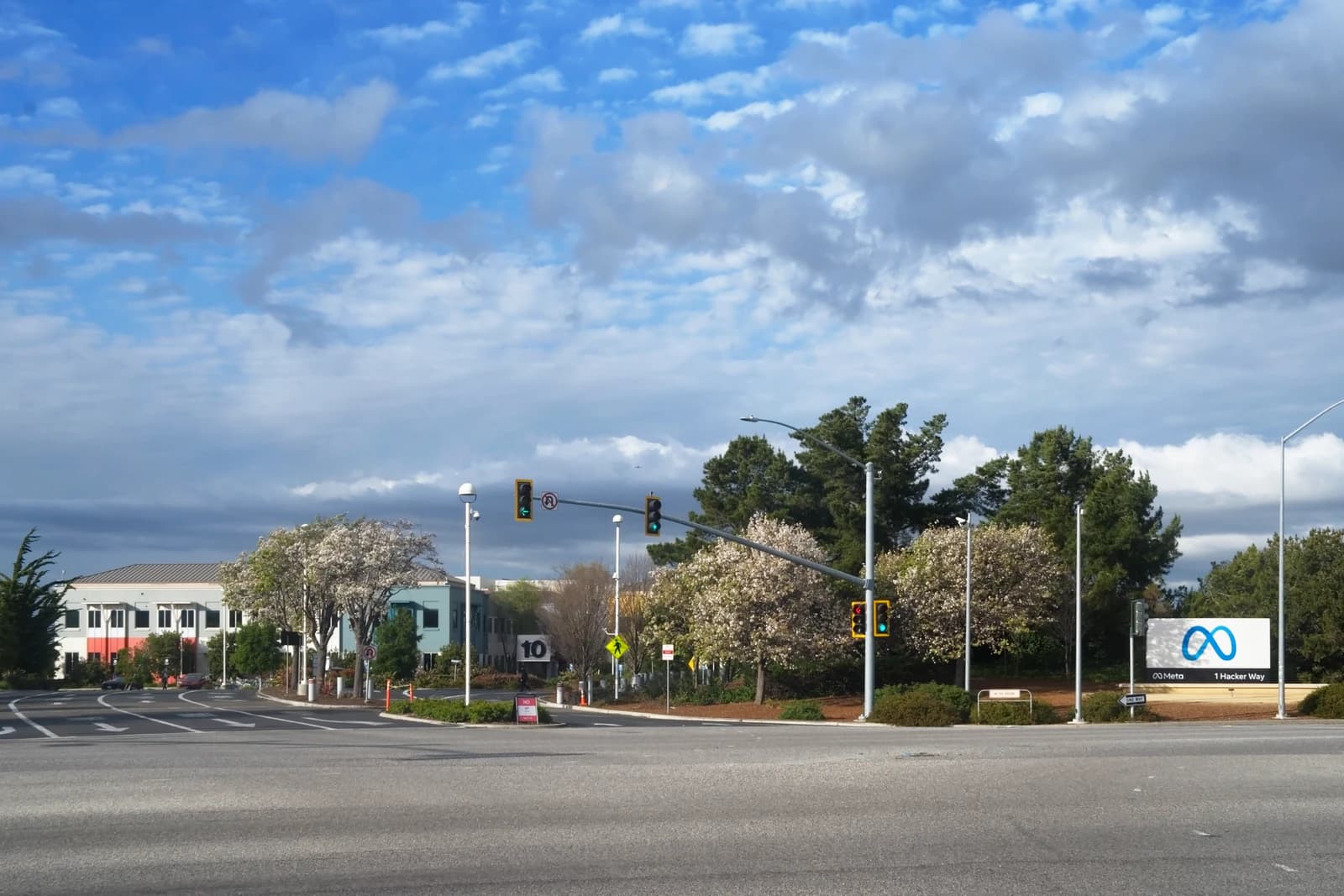
Meta reconsiders 2030 net-zero target amid AI buildout
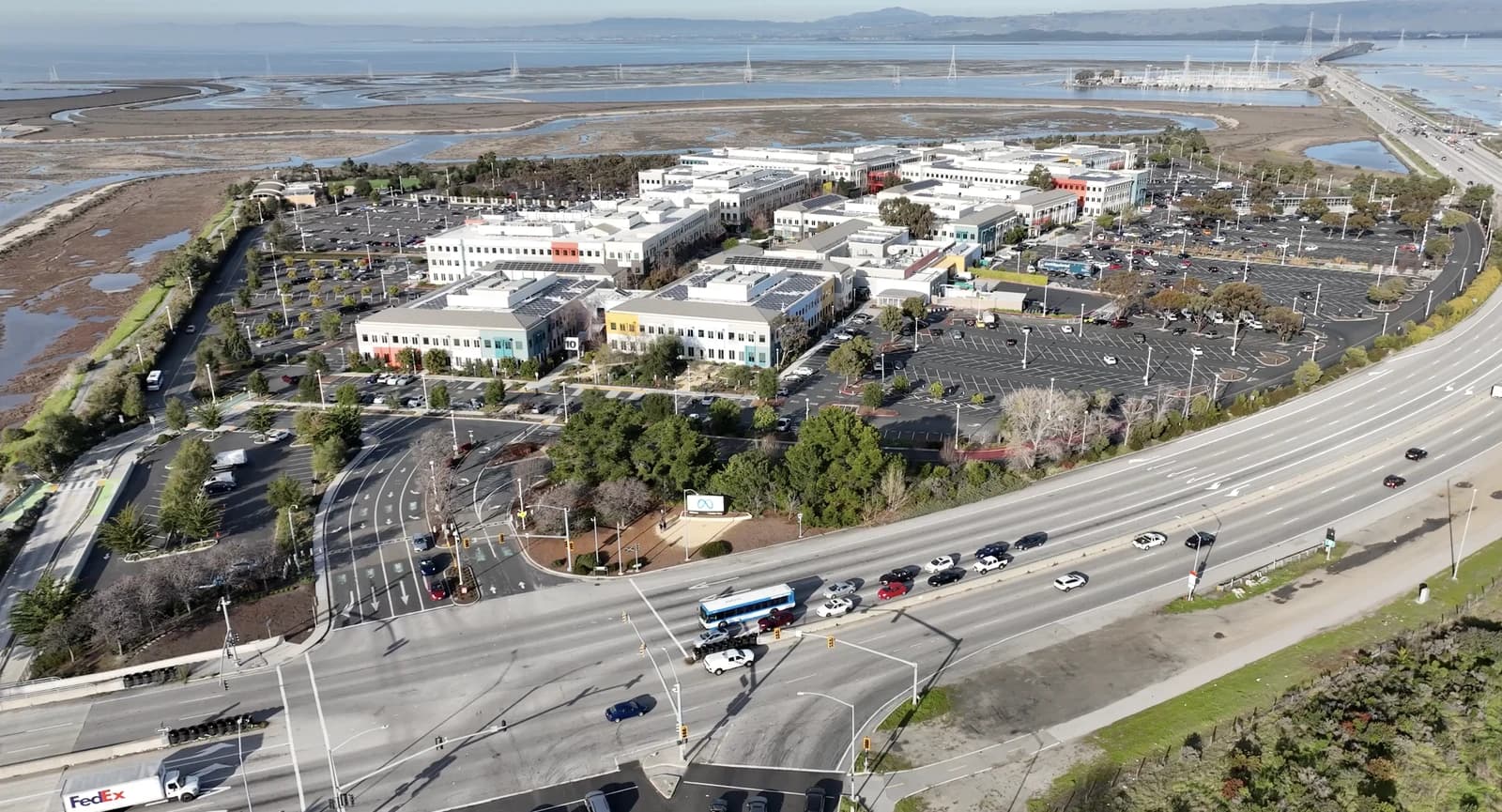
The company said emissions tied to its operations rose 45% last year to 11.8 million metric tons of carbon dioxide, with most of the increase coming from supply-chain emissions, or Scope 3, especially purchases of goods and services. Meta said the target set in 2020 was based on an expectation of steadier growth and faster progress in clean energy, but the AI boom has changed the math.
Sentiment Indicators
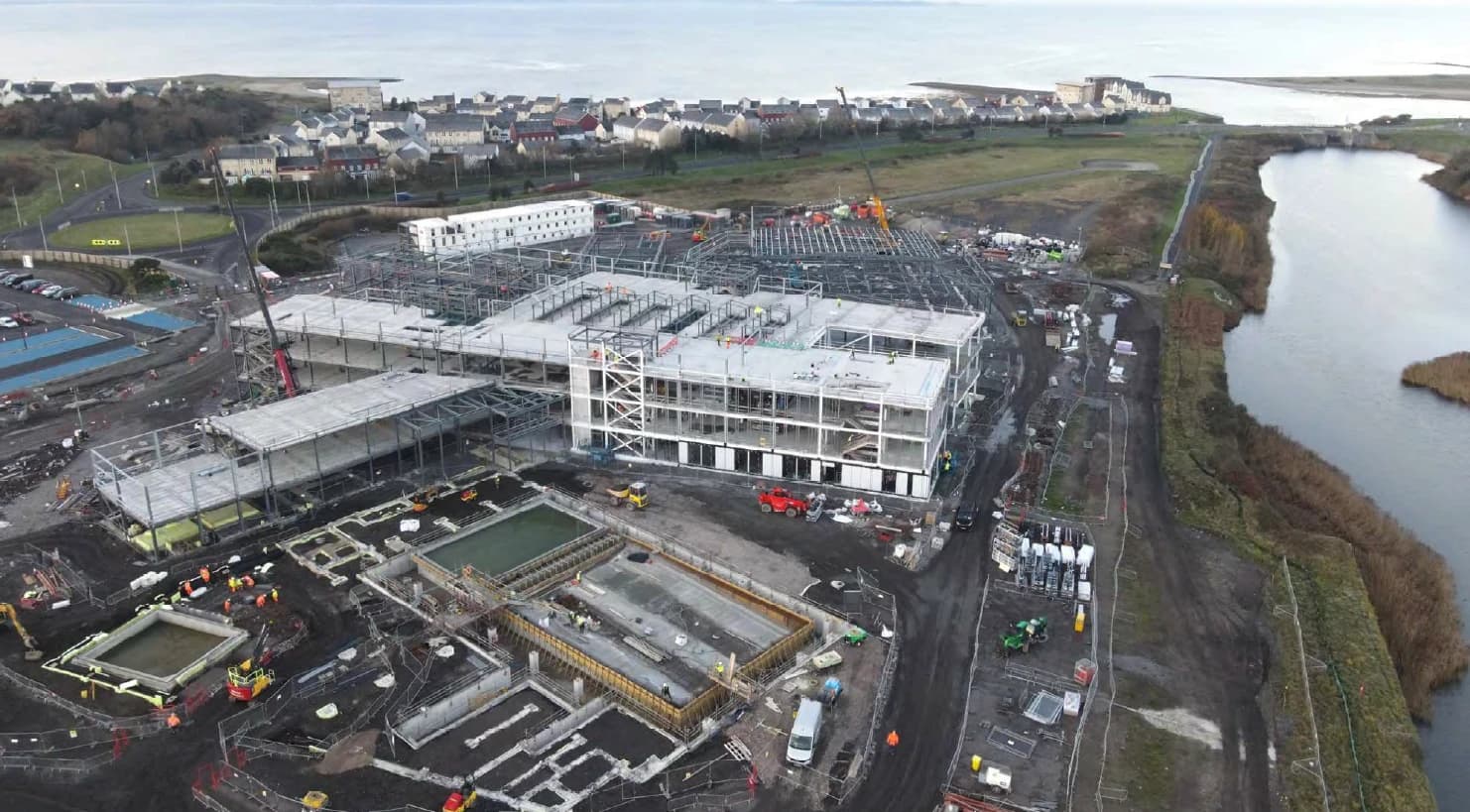
That matters because AI is no longer just a software story. It is a physical infrastructure story, and Meta is one of the clearest examples of the capex and energy burden that comes with it. The company said demand for AI data centers has grown faster than expected, forcing it to build at a scale the industry has not seen before. Meta already has contracts for more than 30 gigawatts of clean and renewable power, and it continues to invest in advanced nuclear and geothermal technologies. Even so, electricity use climbed as new data centers came online.
The most important takeaway for long-term investors is that the AI race is colliding with the energy transition. Companies that want to lead in AI have to secure chips, land, labor, cooling, transmission and power — often years in advance. That can support growth, but it also raises execution risk and can pressure margins if infrastructure arrives slowly or clean power cannot be sourced on time.
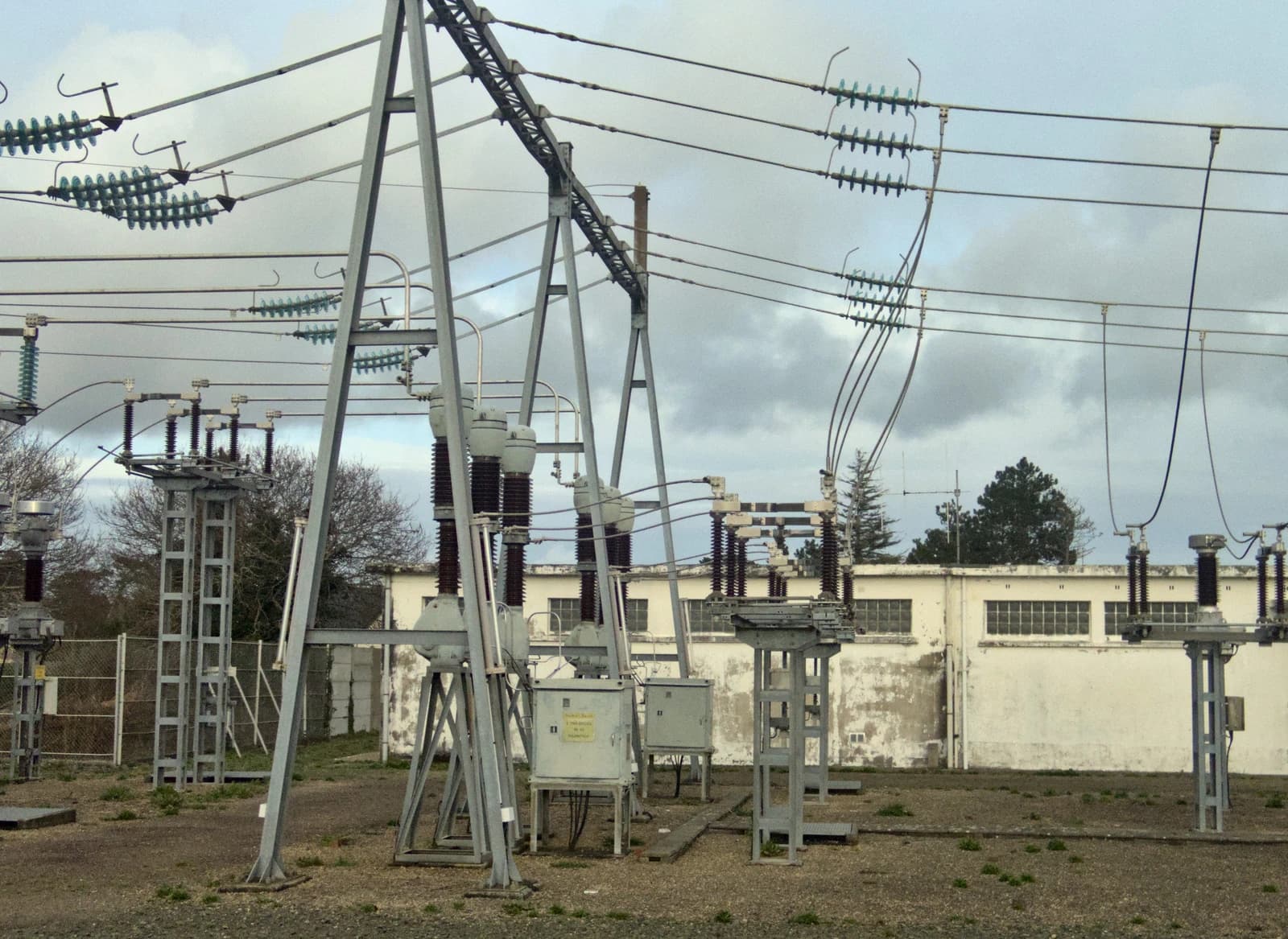
Meta went a step further and said it may turn to on-site natural gas generation at data centers if utilities cannot meet its schedules quickly enough. That is a practical response, but it also shows how strained the current power system has become. The International Energy Agency has warned that electricity demand from data centers could double by 2030 as AI adoption spreads, a forecast that should keep investors focused on utilities, grid equipment makers, gas infrastructure and low-carbon power developers.
For Meta, the stock story remains intact over a multi-year horizon if advertising, AI tools and new products keep compounding faster than the spending required to support them. But the sustainability story is getting more complicated, and investors should expect more trade-offs between growth, cost discipline and climate commitments. This is one to watch closely — not because it changes the AI opportunity, but because it shows how expensive that opportunity may become.
| Entity | Gains | Losses |
|---|---|---|
| Meta | ▲AI growth capacity | ▼Carbon target credibility |
| Utilities and grid operators | ▲Higher power demand | ▼Capacity strain |
| Natural gas suppliers | ▲More backup generation demand | ▼Cleaner energy rivals |
| Long-term AI investors | ▲Infrastructure buildout | ▼Near-term margin pressure |